Whip cream chargers are not automatically illegal. In many countries and regions, they are legal when sold and used for legitimate culinary purposes, such as dispensing whipped cream, foams, mousses, sauces, and other food preparations. However, laws are becoming stricter in some markets because the nitrous oxide inside chargers can be misused through intentional inhalation.
That means the legal answer depends on location, buyer age, seller responsibility, product size, labeling, and intended use. For food service businesses, bakeries, cafes, restaurants, and home culinary users, whipper chargers may be legal kitchen products. For recreational inhalation or non-food misuse, they may be restricted, prohibited, or treated as controlled substances depending on local law.
What Are Whip Cream Chargers?
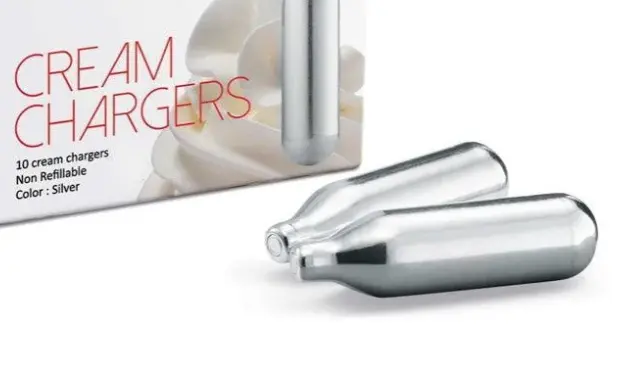
Whip cream chargers are small metal cartridges filled with nitrous oxide, often called N2O. When used correctly with a compatible whipped cream dispenser, the gas helps aerate cream and create a light, stable whipped texture.
They are commonly used in:
- Cafes
- Bakeries
- Restaurants
- Catering businesses
- Dessert shops
- Home kitchens
- Beverage preparation
- Culinary foam applications
- Professional food service
The charger itself is not the final food product. It is a food preparation accessory used with a dispenser.
Why the Legal Status Can Be Confusing
The confusion comes from the difference between legitimate use and misuse. A product can be legal for food preparation but illegal to sell, possess, or supply if it is intended for abuse.
In some places, the law focuses on buyer age. In other places, it focuses on whether the seller knew or should have known the product would be misused. Some jurisdictions restrict direct retail sales, large canisters, flavored nitrous oxide products, or sales to minors.
This is why buyers and sellers should not assume that rules are the same everywhere. Local regulations should always be checked before purchasing, importing, reselling, or distributing whipper chargers.
Are They Legal for Culinary Use?
In many markets, whip cream chargers remain legal for food and beverage preparation. Restaurants, dessert shops, and catering businesses rely on them for efficient whipped cream production and menu creativity.
Legitimate culinary use usually means:
- Using chargers only with compatible dispensers
- Using food-grade products where required
- Following product instructions
- Storing cartridges safely
- Keeping products away from children
- Not selling for inhalation or recreational use
- Complying with local age and retail rules
For businesses, invoices, product labeling, responsible sales practices, and clear customer communication can help show that the product is intended for proper food use.
Why Some Places Restrict Whip Cream Chargers
Regulators have become more concerned because nitrous oxide misuse can cause serious health risks. Inhalation can lead to oxygen deprivation, loss of consciousness, neurological harm, frostbite, and other dangerous outcomes. Repeated misuse may create severe long-term health problems.
Because of these risks, some governments have introduced age restrictions, controlled-substance rules, retail limits, warning requirements, or penalties for unlawful supply.
For sellers, this means compliance is now part of doing business. A product that was once treated as a simple kitchen accessory may now require more careful sales controls.
Common Legal Restrictions Buyers May Encounter
Depending on the region, whip cream charger rules may include:
- Minimum purchase age
- ID checks for retail sale
- Restrictions on online sales
- Limits on quantity
- Restrictions on non-food marketing
- Prohibition of sale for inhalation
- Import or export controls
- Packaging warning requirements
- Penalties for supplying to minors
- Controls on larger nitrous oxide cylinders
These rules can change, so businesses should review current requirements before selling or distributing chargers.
What Responsible Sellers Should Do
A responsible seller should position whip cream chargers clearly as culinary products. Marketing should focus on food preparation rather than intoxication, party use, or recreational language.
Good business practices include:
- Clear food-use product descriptions
- Age verification where required
- Refusal of suspicious purchases
- Safe storage guidance
- No misuse-related advertising
- Proper packaging and labeling
- Compliance with local transport rules
- Staff training for retail handling
- Documentation for commercial buyers
These steps help protect customers, retailers, and legitimate food service users.
What Buyers Should Check Before Purchasing
Before buying whipper chargers, customers should consider both product quality and legal compliance.
Important checks include:
- Is the product intended for culinary use?
- Is it compatible with the dispenser?
- Is the seller reputable?
- Are local age rules followed?
- Are storage instructions clear?
- Is the packaging intact?
- Is the product suitable for food preparation?
- Are there quantity limits in the buyer’s area?
- Is the purchase for a legitimate food use?
Commercial buyers should also confirm whether bulk purchasing, storage, or resale requires special handling procedures.
Safe Storage and Handling
Whip cream chargers are pressurized cartridges. They should be stored in a cool, dry place away from heat, open flame, direct sunlight, and children.
Basic handling practices include:
- Do not puncture except through the intended dispenser system.
- Do not expose cartridges to high heat.
- Do not inhale the contents.
- Do not use damaged cartridges.
- Do not use with incompatible devices.
- Follow dispenser instructions.
- Dispose of empty cartridges properly.
- Keep unused chargers in original packaging.
Correct handling supports both safety and product performance.
Are Whip Cream Chargers Safe?
When used correctly for food preparation, whip cream chargers are common professional kitchen tools. The safety concern comes from misuse, poor handling, incompatible equipment, and improper storage.
Users should treat them as pressurized food-service accessories, not toys or recreational products. Any use involving inhalation is unsafe and may be illegal.
Conclusion
Whip cream chargers are not automatically illegal. In many places, they remain legal for legitimate culinary use in whipped cream dispensers and food preparation. However, laws are increasingly strict around misuse, sales to minors, suspicious supply, and recreational inhalation.
For buyers and sellers, the safest approach is to use whipper chargers only for food applications, follow local regulations, verify age where required, avoid misuse-related marketing, and store the products responsibly. Legal status depends on where the product is sold and how it is intended to be used.
For whip cream charger product information, visit Furry Cream.

-
 Hangzhou Luire Technology Co., Ltd.
 -
 ROOM 2805 JINZUN TOWER OF ZUNBAO,HANGZHOU,CHINA
 -

-

-