Nitrous oxide (N2O) plays a surprisingly significant role in various industries, but nowhere is its effect more delightful than in the culinary world. From creating perfectly light whipped cream to innovative flavor infusions, food-grade nitrous oxide is a key ingredient for many professionals. This guide dives deep into the world of N2O chargers, cylinders, and canisters, exploring their types, uses, safety considerations, and how businesses can source high-quality bulk nitrous oxide reliably. Whether you’re a restaurant owner, a catering service manager like Mark Thompson, or a culinary supply retailer, understanding this nitrous oxide product is crucial for efficiency, safety, and achieving the best culinary results. We’ll cover everything from the basic science to sourcing from a factory perspective, ensuring you have the knowledge to make informed decisions.
What Exactly is Nitrous Oxide (N2O)?
Let’s start with the basics. Nitrous oxide, chemical formula N2O, is a fascinating gas with a slightly sweet taste and odor. It’s often referred to by its common name, “laughing gas,” due to its historical use in medicine and dentistry for its anesthetic and analgesic effects. It’s crucial, however, not to confuse N2O with nitrogen dioxide (NO2) or other nitrogen oxides, which are pollutants and harmful to health. Nitrous oxide is a colorless, non-flammable gas, but it’s important to note that it acts as an oxidizer, meaning it can accelerate the combustion of other materials.
Beyond its medical uses, nitrous oxide has found diverse nitrous oxide applications. It’s utilized in rocketry as an oxidizer in hybrid rocket engines (rocket propulsion), in the automotive industry for engine power boosting (automotive applications), and even in leak detection. However, our primary focus here is on its role in the food industry, specifically food-grade nitrous oxide. This grade meets stringent purity standards ensuring it is safe for use in contact with food products. Nitrous oxide is used widely here because of its unique ability to dissolve readily in fatty compounds like cream under pressure.
In my experience as a factory owner producing N2O products, ensuring the distinction between different grades and educating customers on the properties of nitrous oxide is paramount. The nitrous oxide we produce for culinary use undergoes rigorous testing to meet the requirements set by bodies like the Food and Drug Administration (FDA) and equivalent international authorities. Understanding that while N2O isn’t flammable itself, it is an oxidizer, informs safe handling and storage practices – something we emphasize constantly.
Why is Food-Grade Nitrous Oxide the Star in the Culinary World?
The magic of food-grade nitrous oxide in culinary applications truly shines when it comes to making whipped cream. When you use a whipped cream dispenser charged with an N2O charger, the gas dissolves into the fatty liquid (whipping cream or heavy cream) under pressure. When the pressure is released by dispensing, the dissolved N2O rapidly expands, turning the cream into a light, airy foam. This process creates whipped cream that is significantly lighter, often twice the volume compared to traditional whisking, and has a smoother, more delicate texture.
This efficiency and quality make nitrous oxide chargers indispensable in professional kitchens, cafes, and catering businesses. It allows for instant preparation of fresh whipped cream, toppings for dessert items, beverages, and more, without the time and effort of manual whipping. The N2O acts as a perfect propellant, pushing the cream out while simultaneously aerating it (aerate). Furthermore, because nitrous oxide is relatively inert and doesn’t significantly alter the taste of the cream (unlike CO2, which can add acidity), it preserves the natural flavor profile of the final product.
The unique property where nitrous oxide dissolves effectively into fat (dissolves into the fat) is key. This solubility under pressure, followed by rapid expansion upon release, is what creates that desirable light and fluffy or light and airy texture instantly. This makes food-grade nitrous oxide the choice for many chefs and baristas looking for consistency and speed in their culinary creations. It’s simply the most efficient way to achieve that perfect dollop of cream every time.
What are the Different Types of N2O Chargers and Cylinders Available?
When sourcing nitrous oxide for culinary use, businesses encounter various formats, primarily categorized as small chargers and larger cylinders or canisters. Understanding the differences helps in selecting the right nitrous oxide product for specific needs and volumes.
- Small Chargers (8g): These are the classic, small steel cartridges, typically holding 8 grams of N2O. The 8g (or 8-gram) charger is designed for use with standard handheld whipped cream dispensers (
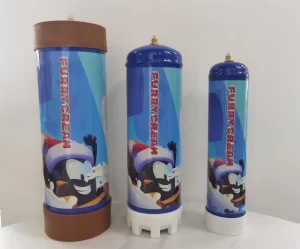
whipper). They are convenient for smaller batches or home use but can become costly and generate more waste for high-volume operations. Each charger typically whips about 0.5 liters of cream. - Larger Cylinders/Canisters (580g, 615g, 730g, 1300g, 2000g+): To meet the demands of busy commercial kitchens, larger N2O canisters and cylinders were developed. Popular sizes include 580g (0.95L), 615g, 730g, 1300g (2.2L), and even substantial 2000g (3.3L) tanks like our FURRYCREAM Max Tank 2000g/3.3L Cream Charger. These larger formats offer significantly more N2O gas, reducing the frequency of changes and often providing a lower cost per gram. They require a compatible pressure regulator and filling hose system to connect to the whipped cream dispenser. Brands like Miami Magic, Supremewhip, and InfusionMax often utilize these larger cylinder sizes.
Comparison Table:
| Feature | Small 8g Charger | Larger Cylinder/Canister (e.g., 580g+) |
| N2O Content | 8 grams | 580g, 615g, 730g, 1300g, 2000g+ |
| Material | Steel (made of steel) | |
Steel (steel construction) |
| Usage | Single use per charge | Multiple charges via regulator/hose |
| Dispenser | Standard handheld whipper |
Standard handheld whipper + adapter |
| Best For | Low volume, home use | High volume, commercial kitchens |
| Cost/Gram | Higher | Lower |
| Convenience | Simple, portable | Requires regulator setup |
| Waste | Many small empty chargers | Fewer, larger empty cylinders |
As a manufacturer, we offer a wide range of both standard 8g chargers and various larger cylinder sizes to cater to diverse customer needs, from small cafes to large-scale food production facilities looking for bulk nitrous oxide. The trend is definitely moving towards larger, more economical cylinders for commercial users.
How Do N2O Cream Chargers Work with a Whipped Cream Dispenser?
Using N2O cream chargers with a whipped cream dispenser is a straightforward process designed for efficiency and consistency. Here’s a typical step-by-step guide on how to use nitrous oxide in this context:
Prepare the Dispenser: Unscrew the head of the whipped cream dispenser. Pour cold whipping cream (and any desired sweeteners or flavorings like vanilla extract) into the dispenser body. Do not overfill; adhere to the maximum fill line indicated on the dispenser.
Seal the Dispenser: Screw the head back onto the dispenser tightly, ensuring a good seal. Place the rubber or silicone gasket correctly.
Insert the Charger: Place an N2O charger (e.g., an 8g charger) into the charger holder. If using a larger cylinder, connect the pressure regulator and hose securely to the dispenser’s inlet valve according to the manufacturer’s instructions.
Charge the Cream: Screw the charger holder onto the dispenser’s head (or open the valve on the regulator). You’ll hear the nitrous oxide gas release into the dispenser. The N2O begins to dissolve into the cream under pressure.
Shake Well: Once the charger is empty (or the desired pressure is reached with a cylinder), remove the empty charger holder (or close the regulator valve and disconnect the hose). Shake the dispenser vigorously 5-10 times (depending on the cream’s fat content and desired thickness) to help the N2O dissolve fully. Don’t overshake, as this can make the cream too stiff.
Dispense: Hold the dispenser upside down and gently press the lever to dispense the perfectly aerated whipped cream. The dissolved N2O expands as it leaves the nozzle, creating the light and airy foam.
Storage: If not using all the cream immediately, store the charged dispenser in the refrigerator. It will typically keep the cream fresh and ready to dispense for several days.
This process allows kitchens to aerate cream on demand, ensuring freshness and the perfect texture every time. Using larger cylinders follows the same principle but involves managing the gas flow with a regulator instead of discharging a single 8g charger.
Are Nitrous Oxide Canisters Only for Whipped Cream? Exploring Culinary Applications
While making whipped cream is the most common culinary application for food-grade nitrous oxide, its uses extend beyond that, particularly in modern gastronomy. The same properties that make N2O excellent for whipping cream also make it useful for creating foams and performing rapid infusion.
- Creating Foams and Espumas: Chefs use N2O in a whipped cream dispenser to create savory or sweet foams (often called ‘espumas’) from purees, juices, or other liquids. The nitrous oxide creates a
light and airytexture, adding a unique element to dishes without the heaviness of traditional cream or egg whites. This technique allows for intense flavors delivered in a delicate form. - Rapid Infusion: Nitrous oxide can be used for rapid flavor infusion. Ingredients (like herbs, spices, or fruit) are placed in a dispenser with a liquid (like alcohol, oil, or vinegar). Charging the dispenser with N2O forces the liquid into the pores of the solid ingredients under pressure. When the pressure is quickly released, the liquid erupts back out, carrying the extracted flavors with it. This technique, sometimes associated with brands like InfusionMax, can achieve in minutes what might take days or weeks with traditional methods. It’s a game-changer for craft cocktails and gourmet cooking.
While these are the primary food applications, it’s worth reiterating that nitrous oxide is also used in other fields. From medical and dental settings for anesthesia to rocket propulsion and automotive applications, N2O is versatile. However, it is absolutely critical that only food-grade nitrous oxide, specifically intended for culinary use, is employed in the kitchen. The intended use dictates the required purity and safety standards. Cross-contamination or using industrial-grade gas poses significant health risks. As a supplier, we clearly label our nitrous oxide product to ensure customers understand the correct and safe intended use.
How Can I Ensure I’m Buying High-Quality, Food-Grade Nitrous Oxide?
For businesses like Mark Thompson’s, sourcing reliable, high-quality food-grade nitrous oxide is paramount. Quality impacts not only the final culinary product but also safety and customer trust. Here’s what to look for:
- Certification and Compliance: This is non-negotiable. Ensure the supplier provides food-grade nitrous oxide that meets recognized purity standards (e.g., 99.7% purity or higher) and complies with regulations like those from the Food and Drug Administration (FDA) or equivalent EU standards (like E942). Ask for certificates of analysis (COA) and be wary of suppliers who hesitate or provide questionable documentation – certificate fraud is a real concern, as Mark knows.
- Supplier Reputation and Transparency: Look for established suppliers with a track record of quality and reliability. A direct factory supplier, like us, often offers more transparency regarding production processes, quality control measures, and certifications. Check reviews, ask for references, and gauge their communication responsiveness. Inefficient communication is a major pain point we strive to eliminate.
- Packaging and Handling: N2O chargers and cylinders should be clean, free from rust or damage, and properly sealed. The labeling should clearly state “Food Grade Nitrous Oxide“ or “N2O,” indicate the volume/weight, provide safety warnings, and include manufacturer/distributor details. Proper packaging ensures the integrity and purity of the gas until it reaches you.
- Material Quality: N2O canisters and chargers are typically
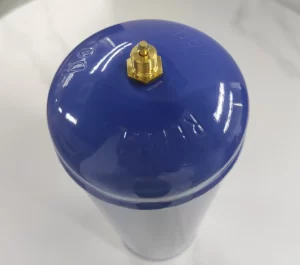
made of steel(steel construction). Ensure they are robust and designed to handle the pressure safely. Reputable manufacturers adhere to strict production standards for the cylinder itself.
As a factory owner exporting globally, I understand these concerns intimately. We have 7 production lines dedicated to N2O products, implementing rigorous quality checks at every stage. We readily provide certifications and welcome audits. We know that for B2B buyers like Mark, consistent quality isn’t just preferred; it’s essential for their business’s success and reputation. They need a nitrous oxide supplier they can trust implicitly. Our OEM Customized 1300g Whipped Cream Charger Larger Tank Food Grade is a popular choice for businesses prioritizing both quality and volume.
What Safety Precautions Are Essential When Using Nitrous Oxide Chargers?
While food-grade nitrous oxide is generally safe when used correctly for its intended use, safety precautions are crucial to prevent accidents and mitigate potential hazards. It’s vital to use nitrous oxide safely.
Storage Guidelines:
- Temperature: Store N2O chargers and cylinders in a cool,
dry place. Keep themaway from direct sunlightand otherdirect sunlight and heat sources. The temperature should ideally not exceed 50°C (122°F), as excessive heat can increase pressure inside the cylinder. - Location: Store them upright in a secure location where they won’t be knocked over. Ensure good
ventilation. - Accessibility: Keep them out of the
reach of children. Nitrous oxide products should only be sold to and used by individuals18 or older.
Handling and Usage:
- Intended Use Only: Only use food-grade nitrous oxide for
culinary applicationslike whipping cream or infusion, using the proper dispenser equipment. Misuse (e.g., inhalation) is dangerous and carries significant health risks. - Ventilation: Always use N2O in a
well-ventilated area. Although N2O is not toxic in low concentrations, displacing oxygen in a confined space can lead to asphyxiation. - Equipment: Use chargers and cylinders with compatible and well-maintained dispensers, regulators, and hoses. Never try to force a connection. Inspect equipment regularly for damage.
- Handling Cylinders: Never tamper with the cylinder valve or safety devices. Do not incinerate or expose canisters (even empty ones) to heat. Remember, N2O is an oxidizer and can intensify a fire.
- Emptying: Ensure the charger or cylinder is completely empty before detaching it from the dispenser or attempting disposal.
Liquid nitrous oxidecan cause frostbite if it contacts skin.
Prioritizing safe handling and adhering to these safety precautions is essential for anyone working with nitrous oxide. As a responsible manufacturer, we include clear warnings and instructions with all our products, like the Furrycream 730g Whipped Cream Charge Best Selling High Purity Gas. We believe prioritize safety is a shared responsibility between the supplier and the user.
How Should I Properly Dispose of Used N2O Canisters and Cylinders?
Responsible disposal of empty N2O chargers and cylinders is important for environmental and safety reasons. Since they are typically made of steel, they are often recyclable, but procedures can vary.
Ensure Empty: First and foremost, make absolutely certain the charger or cylinder is completely empty before considering disposal. There should be no residual gas pressure. For larger cylinders, this means ensuring the valve is open and no gas is escaping. For 8g chargers, they are typically fully discharged during use with the dispenser.
Check Local Regulations: Recycling programs and regulations differ significantly by region. Contact your local waste management authority or recycling center to understand the specific requirements for disposing of compressed gas canisters or steel cartridges in your area. Some may accept them in curbside recycling, others require drop-off at designated facilities, and some may have specific preparation steps (like puncturing, though this should only be done if explicitly required and safe procedures are followed). Adhering to local regulations is crucial.
Do Not Puncture (Unless Instructed): Never attempt to puncture a charger or cylinder unless you are certain it is empty and it is required by your local recycling program using a designated tool. Puncturing a pressurized canister is extremely dangerous.
No Trash Bin: Do not simply throw empty chargers or cylinders into regular household trash. They might be mistaken for full containers or pose risks during waste processing.
Supplier Programs: Some suppliers or distributors may offer take-back or recycling programs for larger cylinders. Inquire about this possibility when purchasing bulk nitrous oxide.
Properly managing how you dispose of used N2O canisters demonstrates environmental responsibility and ensures safety throughout the product lifecycle. We encourage all our customers to research and follow their local regulations for recycling.
Where Can Businesses Find Reliable Wholesale N2O Suppliers?
For business owners like Mark Thompson, finding a trustworthy nitrous oxide supplier for wholesale N2O is critical for profitability and smooth operations. Mark typically uses exhibitions and Google searches – common channels in the B2B space.
- Trade Shows and Exhibitions: Industry-specific trade shows (foodservice, hospitality, catering) are excellent venues to meet suppliers face-to-face, inspect products (
nitrous oxide product), discuss needs, and build relationships. This allows buyers to assess the supplier’s professionalism and product quality firsthand. As a factory owner, I find exhibitions invaluable for connecting with potential clients from the USA, Europe, and Australia. - Online B2B Marketplaces: Platforms like Alibaba, DHGate, or specialized industry directories list numerous suppliers. However, thorough vetting is essential due to the sheer number of listings and varying quality levels. Look for verified suppliers, trade assurance, and customer reviews.
- Direct Factory Sourcing: Searching online (like Mark does via Google) can lead directly to manufacturers like us (Furrycream.com). Dealing directly with a factory can offer significant advantages:
- Competitive Pricing: Eliminating intermediaries often leads to better prices for bulk nitrous oxide and chargers wholesale.
- Customization (OEM): Factories can often provide OEM services, allowing businesses to brand products like cream chargers with their own logo.
- Direct Communication: Working directly with the source can streamline communication, although language barriers or time differences can sometimes be a challenge (something we actively work to minimize).
- Quality Assurance: Direct engagement allows for clearer understanding and verification of quality control processes and certifications.
- Referrals and Networking: Asking for recommendations from trusted industry peers can lead to reliable suppliers.
Mark’s key concerns – quality inspection, certifications, logistics, payment methods, and communication efficiency – are exactly what a reputable supplier should address proactively. When searching, buyers should prepare specific questions regarding these points and evaluate the supplier’s ability to meet their requirements reliably.
Partnering with a Direct Nitrous Oxide Supplier: Benefits for B2B Buyers
Choosing to partner directly with a nitrous oxide supplier factory, especially for businesses requiring bulk nitrous oxide or customized products, offers compelling advantages that address many of the pain points experienced by procurement officers like Mark Thompson.
Key Benefits:
- Cost-Effectiveness: By bypassing distributors and agents, buyers can access factory-direct pricing for chargers wholesale, improving their profit margins. This aligns perfectly with Mark’s preference for competitive pricing alongside high quality.
- Quality Control Transparency: Dealing directly allows for a clearer view of the manufacturing process and quality control measures. As a factory owner (Allen), I can personally attest to the stringent checks our N2O products undergo, ensuring compliance with food-grade standards. We facilitate quality inspections and provide genuine certifications readily.
- Reliable Supply Chain & Logistics: Experienced factories have established logistics networks for export. We understand the importance of timely shipments to avoid missing peak seasons – a critical pain point for Mark. We work closely with freight forwarders to ensure efficient delivery to the USA, Europe, Australia, and beyond.
- Enhanced Communication: While language barriers can exist, direct communication often leads to quicker responses and clearer understanding compared to relaying messages through multiple intermediaries. We invest in skilled sales teams proficient in English to ensure smooth interactions. Contact us directly to experience this.
- Customization and OEM Services: Factories are well-equipped to handle OEM requests, allowing businesses to build their own brand identity on products like cream chargers, N2O canisters, or larger cylinders. We offer flexible customization options.
- Technical Expertise: Direct access to the manufacturer means access to deeper technical knowledge about the nitrous oxide product, although, like Mark, many buyers focus primarily on the commercial aspects. We can provide detailed specifications and support.
For a discerning buyer like Mark, who values quality, reliability, and efficiency, establishing a relationship with a direct, reputable nitrous oxide supplier factory in China offers a strategic advantage. It allows for greater control over the supply chain, better cost management, and confidence in the product quality and safety – essential elements for success in the competitive culinary supply market.
Key Takeaways:
- Nitrous Oxide (N2O) is a versatile gas; food-grade N2O is essential and safe for culinary use when handled correctly.
- N2O works by dissolving in fat under pressure and expanding upon release, creating light and airy textures in whipped cream and foams.
- Products range from small 8g chargers to large cylinders (580g, 615g, 2000g+), catering to different volume needs. Choose based on usage (
dispensertype, volume). - Beyond whipped cream, N2O enables rapid flavor infusion and the creation of culinary foams.
- Always verify food-grade certification and supplier reliability when purchasing N2O chargers or cylinders.
- Prioritize safety precautions: Store cool (below 50°C), dry, away from direct sunlight, use in well-ventilated area, and only for intended use.
- Dispose of empty chargers and cylinders responsibly according to local regulations, ensuring they are empty first.
- Partnering with a direct factory supplier can offer benefits like better pricing (chargers wholesale, bulk nitrous oxide), quality assurance, customization, and more reliable logistics.

-
 Hangzhou Luire Technology Co., Ltd.
 -
 ROOM 2805 JINZUN TOWER OF ZUNBAO,HANGZHOU,CHINA
 -

-

-