Welcome! If you're looking to understand the ins and outs of cream chargers and how to use whip cream chargers to create perfect whipped cream, you've come to the right place. My name is Allen, and as a factory owner with seven production lines in China, I've dedicated years to producing high-quality whipped cream chargers and N2O gas cylinders for a global market, including discerning customers in the USA, North America, Europe, and Australia. This article is designed to be your comprehensive guide, whether you're a business owner like Mark Thompson, looking to source cost-effective yet high-quality products, or simply someone eager to learn how to use these handy tools. We'll cover everything you need to know about cream chargers, from how they cream chargers work to selecting the right supplier. You'll gain insights into ensuring quality, understanding safety, and even troubleshooting common issues, all aimed at helping you master the art of freshly whipped cream.
What Exactly is a Cream Charger and How Do Cream Chargers Work?
So, what is this nifty device we call a cream charger? Essentially, a cream charger is a small, recyclable steel canister. Think of it as a little power-pack for your whip cream creations. These cream chargers are filled with nitrous oxide (N2O), a gas that's perfectly safe for food applications when it's food-grade. The magic happens when you use a whip cream charger with a whipped cream dispenser. The cream charger is inserted into a special charger holder on the dispenser. When you screw it in, a pin pierces the charger, allowing the nitrous oxide gas to be released into the dispenser.
Once released into the dispenser, the N2O gas does something wonderful. It dissolves into the fat of the heavy cream (or other liquid) you've placed inside the dispenser. The pressure of the gas and its ability to mix with fats are key. When you're ready to dispense the cream, you'll hold the dispenser upside down and press the lever. As the cream mixture is forced out through the nozzle, the dissolved nitrous oxide expands, instantly transforming the liquid into voluminous, fluffy whipped cream. This process allows you to make whipped cream much faster than traditional methods. Each cream charger is typically designed for single use and contains about 8 grams of N2O, enough to whip about 0.5 liters of cream. Many people know about cream chargers for their efficiency and ease, especially for making delicious whipped cream on demand.
The science behind how cream chargers work is quite neat. The N2O doesn't just push the whip cream out; it creates tiny bubbles within the cream, giving it that light, airy texture we all love for a dessert topping. The use of cream chargers makes the whole process of creating perfect whipped cream incredibly straightforward. You simply charge the dispenser with one cream charger, shake the dispenser a few times to ensure the gas with the cream has mixed well, and you're ready to go! It's a simple, effective way to get fresh whipped cream at home or in a professional kitchen.

Why Use a Whipped Cream Charger Instead of Whipping by Hand?
For centuries, making whip cream meant a lot of elbow grease – vigorously whipping air into heavy cream with a whisk. While there's a certain charm to that, using a whipped cream charger and whipped cream dispenser offers significant advantages, especially for businesses and even the busy home cook. The most obvious benefit is speed and efficiency. You can make whipped cream in seconds, compared to several minutes of manual whipping. This is a huge time-saver in a commercial kitchen or when preparing a large dessert spread. The consistency you achieve with a cream charger is also remarkably reliable, giving you perfect whipped cream every time.
Another key advantage is the yield. When you use whipped cream dispensers with a cream charger, the nitrous oxide expands the cream to a much greater volume of whipped cream than traditional methods. You can get up to four times the volume of liquid cream, making it a very economical choice. Plus, the whipped cream made this way stays fresh for longer in the dispenser in the fridge – up to two weeks! This is because the N2O acts as a natural preservative and the airtight canister prevents oxidation. Trying to store hand-whipped cream for that long would result in a watery mess. The convenience of having freshly whipped cream ready to dispense at a moment's notice is invaluable.
From a business perspective, like for Mark Thompson who supplies culinary retailers, the benefits are clear. Restaurants and cafes can serve a dollop of whipped cream or a sophisticated cream topping with minimal effort and maximum consistency. This means better service, less food waste, and a more professional presentation. The ease to use cream chargers also means less training is required for staff. For anyone who needs to make fresh whipped cream regularly, investing in cream whippers and N2O cream chargers is a smart move for achieving that perfect whipped result efficiently.
What Should You Look for When Choosing a N2O Cream Charger Supplier?
Choosing the right supplier for N2O cream chargers is crucial, especially for someone like Mark Thompson who is purchasing in bulk for resale. As a factory owner, Allen, I can tell you that not all cream chargers are created equal. The first thing to look for is product quality and safety. Ensure the cream chargers are filled with pure, food-grade nitrous oxide. This is non-negotiable. Ask for certifications that prove food-grade compliance (like ISO, HACCP, or specific regional certs like NSF for the USA). Be wary of suppliers who can't readily provide these or whose certificates seem questionable – certificate fraud is a real pain point we've heard about. A reliable cream charger is a steel cylinder, so material quality matters for safety too.
Secondly, consider the supplier's manufacturing capabilities and reputation. A factory with multiple production lines, like ours, often means better consistency, capacity to handle large orders, and more robust quality control processes. Look for transparency. Can they explain their quality inspection processes? Do they offer OEM services if you need custom branding on your cream charger or canister? Experience in exporting to your main markets (USA, Europe, Australia) is also a big plus, as they'll be familiar with your country's standards and import regulations. For procurement officers, finding a supplier who can offer Bulk Whip Cream Chargers Cylinders And N2O Tanks consistently is key.
Finally, communication and reliability are paramount. Mark mentioned inefficient communication as a pain point. Find a supplier whose sales representatives are responsive, knowledgeable (not just in sales, but with some technical understanding of the cream charger), and fluent in your language. Discuss logistics and payment terms upfront. How do they handle potential shipment delays? What are their payment methods? A good supplier will be a partner, helping you avoid missed peak seasons and ensuring a smooth supply chain for your N2O chargers. Remember, competitive pricing is important, but it shouldn't come at the expense of quality or reliability when you want to make whipped cream safely and effectively.
How Do You Use a Whip Cream Charger with a Whipped Cream Dispenser?
Learning how to use a whip cream charger with a whipped cream dispenser is surprisingly simple, and once you get the hang of it, you'll be creating perfect whipped cream in no time! First, make sure your whipped cream dispenser is clean and ready. Unscrew the head of the dispenser and pour in your liquid heavy cream. It's important not to overfill it; most dispensers have a max fill line, usually good for about 0.5 liters of cream for a standard size. You can also add sweeteners like powdered sugar or flavorings like vanilla extract at this stage if you want flavoured whipped cream.
Next, screw the head back onto the dispenser tightly. Take one cream charger (usually an 8 grams canister) and place it into the charger holder that came with your dispenser. Now, screw the charger holder (with the charger inside) onto the inlet valve on the dispenser head. You'll hear a hissing sound as the nitrous oxide gas is released into the dispenser. This is the cream charger doing its job! Once all the gas has been released (the hissing stops), unscrew the charger holder and remove the charger. The empty cream charger is a steel cylinder and can be recycled.
Now, for the fun part! Simply give the dispenser a good shake the dispenser a few times to ensure the N2O fully mixes with the cream. About 4-6 vigorous shakes are usually enough. Don't overshake, as it can make the whip cream too dense. To dispense the cream, hold the dispenser upside down (nozzle pointing downwards) and gently press the lever. Voila! You have fresh whipped cream. If the whip cream is a bit runny, give the dispenser another shake or two. If you don't use whipped cream all at once, store the dispenser in the fridge, and it will stay fresh for days. The use of cream chargers makes getting that perfect whipped consistency incredibly easy.
What are the Different Types and Sizes of N2O Cream Chargers Available?
When you start looking into N2O cream chargers, you'll quickly discover that chargers come in different sizes and types to suit various needs, from the occasional home use to high-volume professional kitchens. The most common cream charger is the standard 8 grams canister. These cream chargers are small, convenient, and typically used to charge about 0.5 liters of cream. They are perfect for home bakers or small cafes making whipped cream at home or for individual desserts. This type of cream charger is widely available and compatible with most standard whipped cream dispensers.
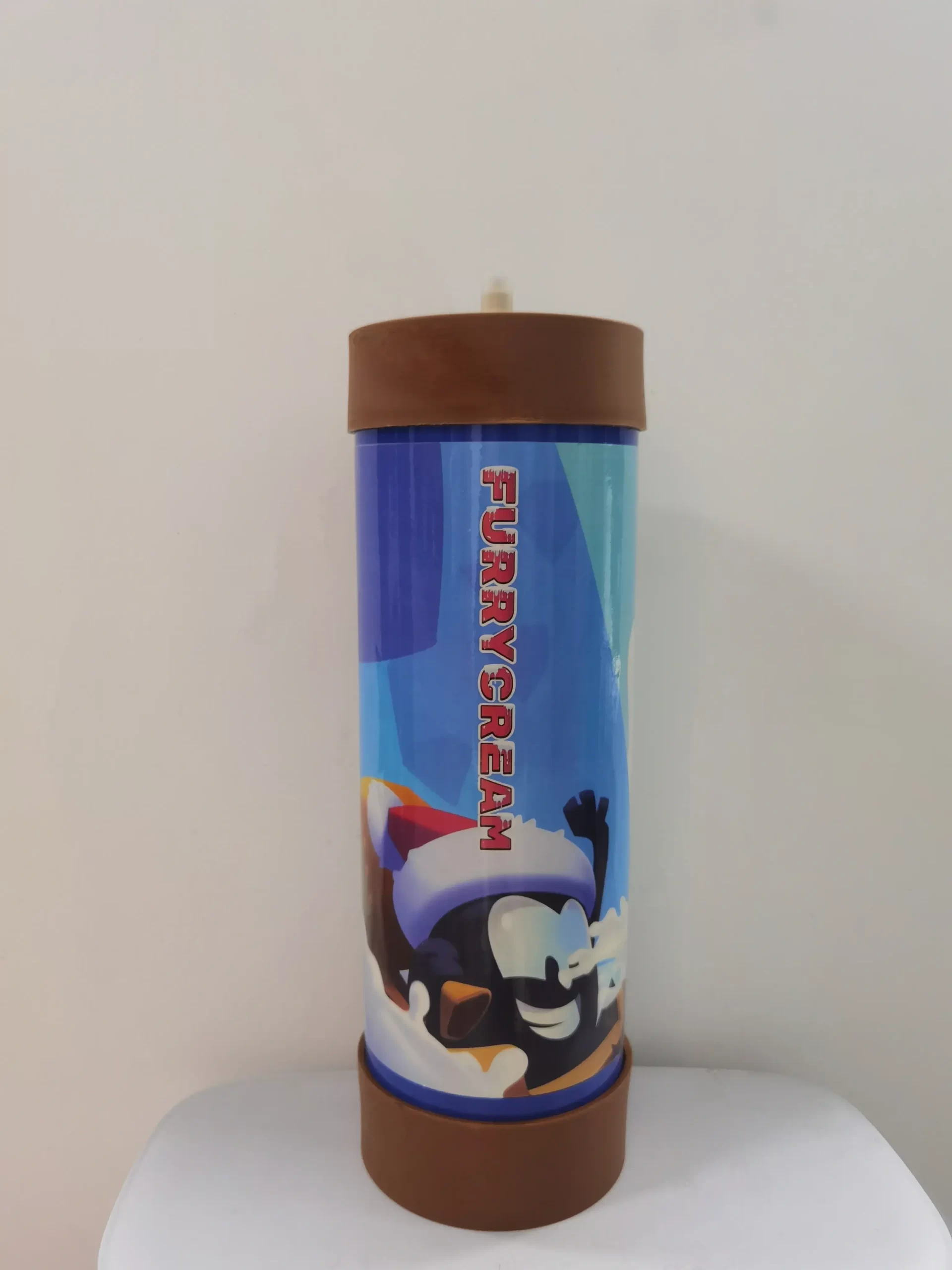
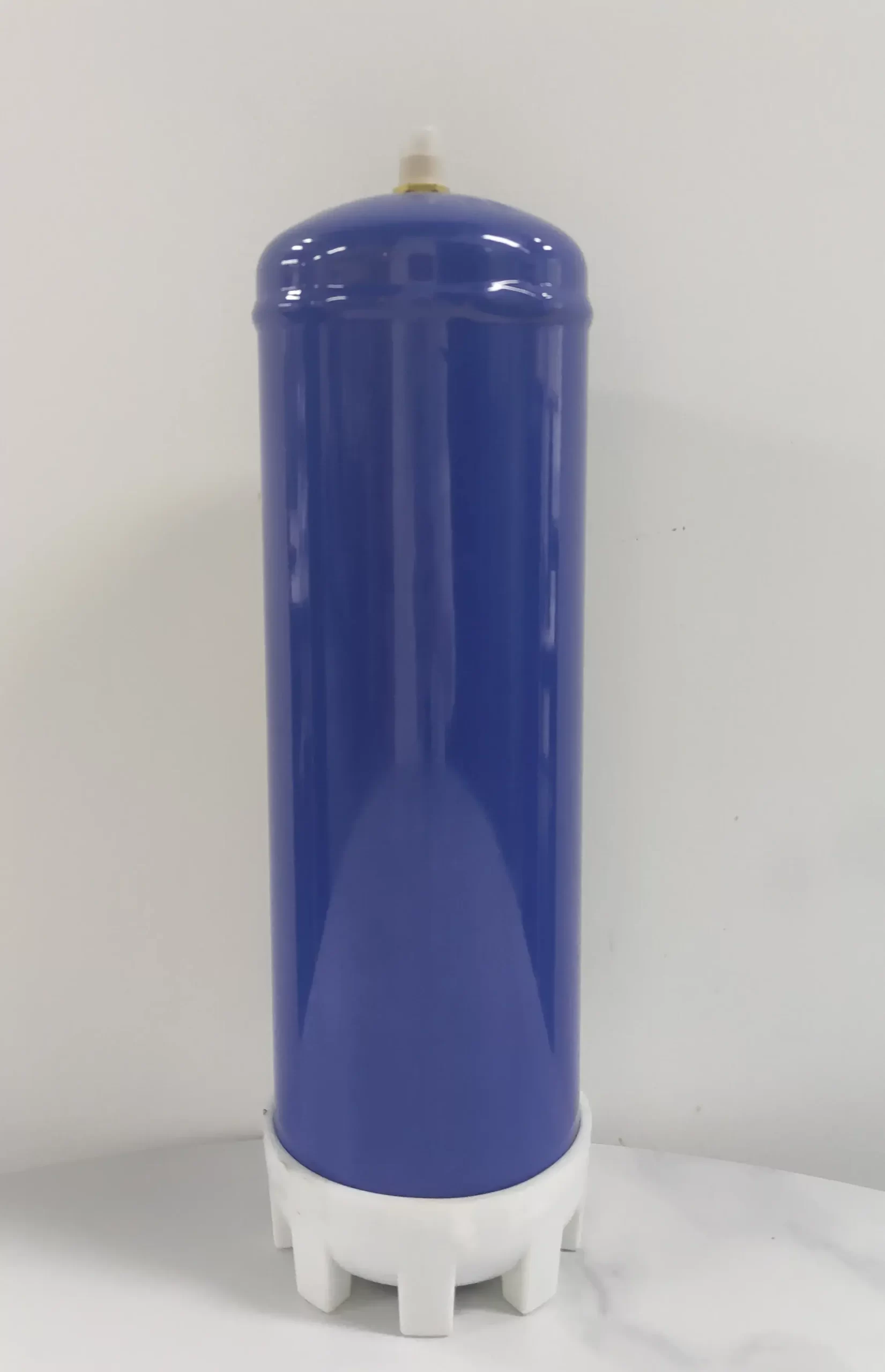
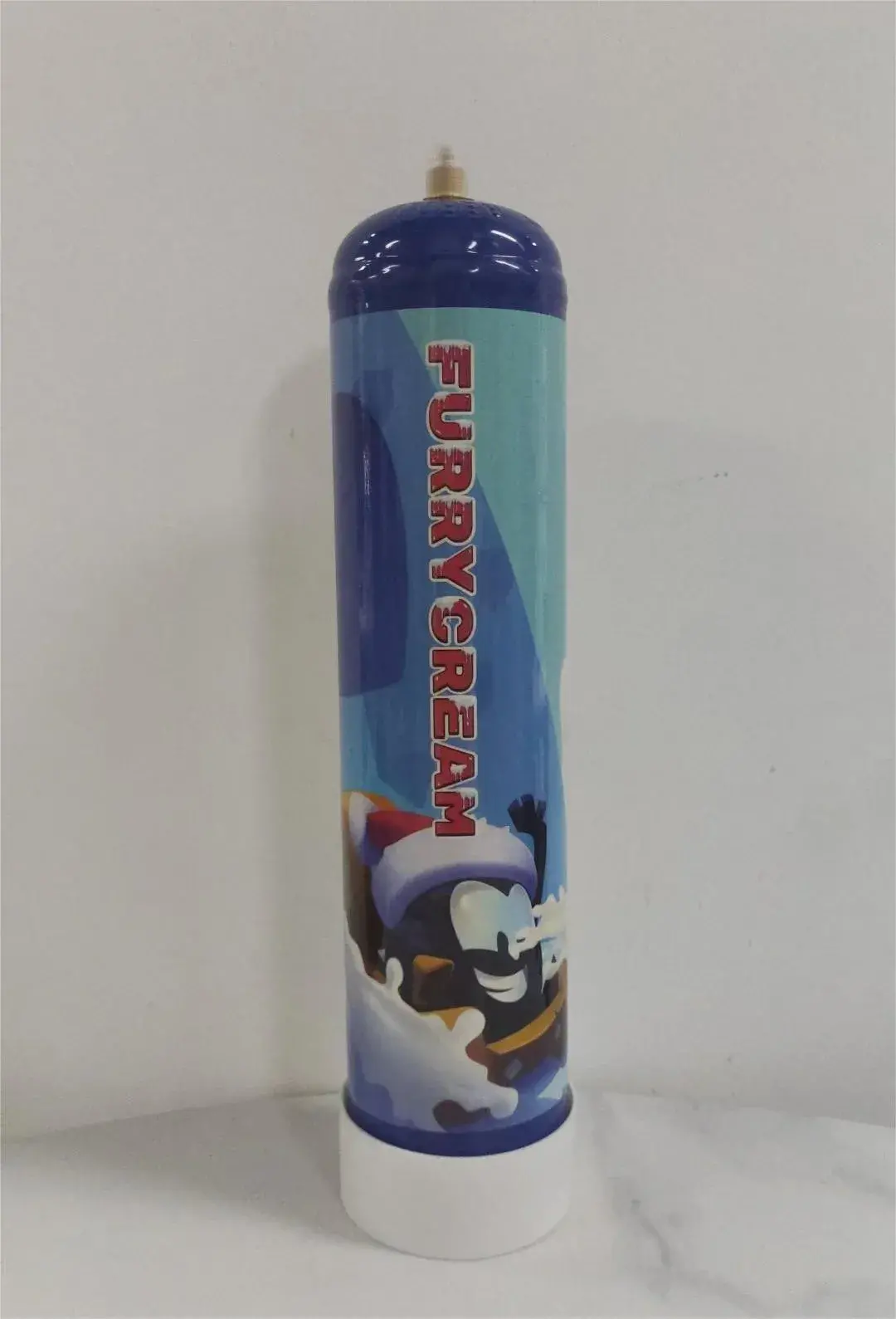
However, for businesses that use whipped cream more frequently or in larger quantities, these small 8 grams chargers might become a bit tedious. That's where larger N2O chargers come into play. You'll find options like 580g, 615g, and even larger tanks like 1300g (2.2L) or 2000g (3.3L) N2O cylinders. These larger cream chargers offer significantly more nitrous oxide, meaning you can charge the dispenser many more times before needing a replacement, or they can be used with specialized systems for continuous dispensing. For instance, our reliable 580g Food Grade Furrycream Whipped Cream Chargers are a popular choice for efficiency. These are particularly favored by catering services, busy restaurants, and culinary supply retailers who sell to high-volume users.
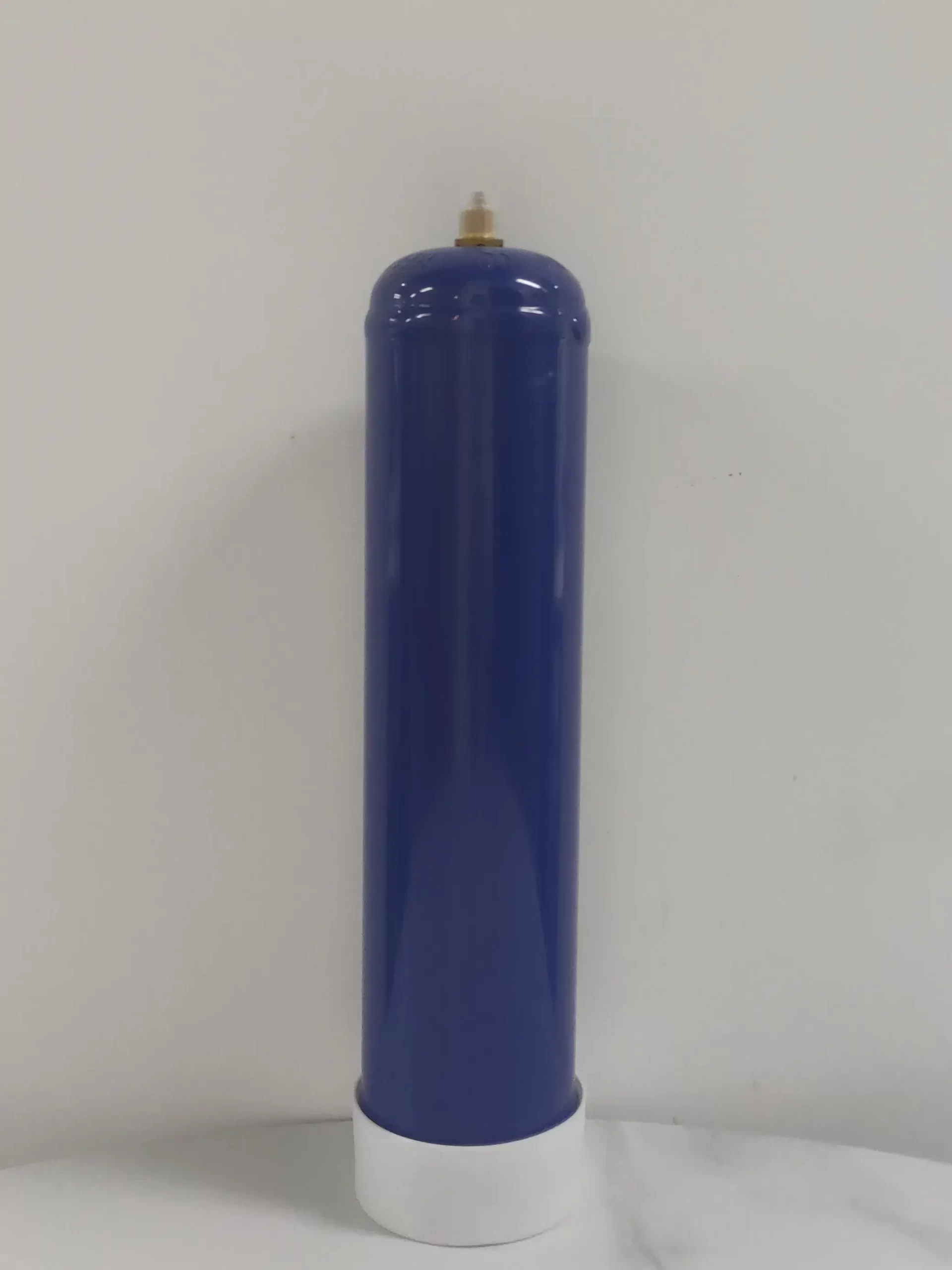
The choice of cream charger often depends on your volume requirements and the type of cream whipping setup you have. Larger tanks might require specific regulators and hose connectors, different from the simple charger holder used for 8 grams cartridges. When sourcing, it's good to discuss with your supplier the full range of cream chargers they offer. For example, we produce everything from the standard 8 grams units to much larger cylinders, like our Widely Selling 2000g Cream Charger Whip Tanks, to meet diverse customer needs. Understanding the different chargers come in will help you make an informed decision for your specific application of making perfect whipped cream.
Are N2O Cream Chargers Safe? Understanding Food-Grade Nitrous Oxide.
Safety is a top concern, and rightly so, especially when dealing with products intended for food preparation, like a cream charger used to make whipped cream. The key to safety with N2O cream chargers lies in two main areas: the quality of the nitrous oxide itself and the integrity of the canister. The N2O used in cream chargers must be food-grade. This means it's highly purified and free from industrial contaminants, oils, or unpleasant odors that could spoil your whip cream or, worse, be harmful. As a manufacturer, we ensure our nitrous oxide cream charger products meet stringent international food safety standards. Always look for suppliers who can guarantee their N2O is food-grade and can back it up with certifications.
The cream charger is a steel cylinder filled with nitrous oxide under pressure. Therefore, the physical quality of the canister is also crucial. It needs to be robust enough to safely contain the pressure of the gas. Reputable manufacturers use high-quality steel and rigorous testing to prevent leaks or ruptures. When you use a whip cream charger, always inspect it for any signs of damage before inserted into the dispenser. It's also important to store your cream chargers correctly – chargers in a cool, dry place away from direct sunlight or heat sources. And remember, each cream charger is typically designed for single use; attempting to refill them is dangerous.
It's also important to distinguish food-grade nitrous oxide from medical-grade or industrial-grade N2O. While it's the same chemical compound, the purity levels and potential contaminants differ significantly. Only food-grade N2O from a trusted cream charger source should be used for making perfect whipped cream or any culinary application. Responsible use of cream chargers also means disposing of them properly – they are generally recyclable steel. By choosing a quality product and following usage guidelines, cream chargers are also very safe tools for your kitchen or business, allowing you to use whipped cream dispensers with peace of mind.
How Can You Ensure Consistent Quality When Sourcing Whipped Cream Chargers?
For buyers like Mark Thompson, ensuring consistent quality when sourcing whipped cream chargers from overseas is a major priority. It directly impacts his business reputation and customer satisfaction. As someone on the manufacturing side (Allen here!), I can share a few key strategies. First, rigorous supplier vetting is essential. Don't just go for the cheapest option. Look for established factories with a proven track record, like ours with 7 production lines dedicated to quality. Ask detailed questions about their quality control (QC) processes. How do they test the purity of the nitrous oxide? What checks are in place for the canister integrity? Do they perform batch testing and keep records? A transparent supplier will be happy to share this.
Implementing your own quality inspection measures can also be very beneficial. This could involve hiring a third-party inspection service in the country of origin to check a percentage of your cream charger shipment before it leaves the factory. They can verify that the N2O chargers meet your specifications, check for proper filling levels (e.g., 8 grams for standard chargers), and ensure packaging is secure for transit. While this adds a cost, it can save a lot of headaches and money in the long run by preventing defective cream chargers from reaching your customers and ensuring they can make whipped cream perfectly every time.
Building a long-term relationship with a reliable supplier is perhaps the best way to ensure ongoing quality for your N2O cream chargers. When you have a trusted partnership, there's a better understanding of expectations. Regular communication, clear specifications, and feedback loops are vital. For instance, we work closely with our B2B clients to ensure our cream chargers are filled to their exact needs and that every nitrous oxide cream charger that leaves our factory helps them deliver perfect whipped cream to their end-users. Consistent quality in your whip cream products starts with a consistent, quality-focused supplier. We also offer various sizes, including our 1300g Whipped Cream Chargers, which undergo the same stringent checks.
What are Common Mistakes to Avoid When Using Cream Chargers to Make Whipped Cream?
Even though cream chargers work very efficiently, a few common mistakes can prevent you from achieving that perfect whipped cream. One frequent error is overfilling the whipped cream dispenser. There's a maximum fill line for a reason! If you put too much heavy cream in, there won't be enough space for the nitrous oxide gas to effectively mix with the cream and expand it. This often results in runny whip cream that doesn't hold its shape, no matter how many cream chargers you use cream chargers.
Another common pitfall is over-shaking or under-shaking the dispenser after you charge the dispenser. After the gas has been released from the cream charger, you need to shake the dispenser a few times to ensure the N2O dissolves properly into the cream. Under-shaking leads to thin, watery whip cream. Conversely, over-shaking can make the homemade whipped cream too stiff, almost like butter, or cause it to spurt unevenly from the nozzle. Finding the right balance – usually 4-6 good shakes for 0.5 liters of cream – is key. If your delicious whipped cream isn't quite right, try one or two more shakes before you dispense the cream again.
Using the wrong type of cream can also lead to disappointing results. For the best fluffy whipped cream, you need heavy cream or whipping cream with a high fat content (typically 30-36%). Lighter creams or milk won't whip properly with a cream charger because there isn't enough fat for the nitrous oxide to interact with and create stable bubbles. Also, ensure your cream is well-chilled before you use a whip cream charger; cold cream whips much better and holds its shape longer. Avoiding these simple mistakes when you use whipped cream dispensers will help you make fresh whipped cream perfectly every time you use your cream charger.
Beyond Dessert: What are Other Creative Ways to Use Whipped Cream Made with Chargers?
While the most common use of cream chargers is to make delicious whipped cream for a dessert like pies, cakes, or sundaes, their application doesn't stop there! The ability to instantly create aerated textures opens up a world of culinary creativity, both sweet and savory. Chefs and adventurous home cooks use cream chargers to create light foams and espumas that can elevate a variety of dishes. Imagine a light, airy hollandaise sauce gently spooned over eggs benedict, or a savory Parmesan foam to top a pasta dish. The whipped cream dispenser and N2O cream chargers make these sophisticated textures surprisingly easy to achieve.
Another exciting area is in beverages. Beyond the classic whipped cream to top hot chocolate or coffee, you can use your cream charger to make nitro-infused cold brew coffee at home. The nitrous oxide creates a creamy, velvety texture similar to stout beer, without adding any dairy. Bartenders also use whip cream chargers to create rapid infusions for cocktails, or to add a foamy topping to drinks. For example, you can infuse spirits with herbs or fruits much faster using the pressure of the gas inside a whipped cream dispenser, or create a light, citrus-flavoured whipped cream foam for a margarita.
The versatility of the cream charger system means you can experiment with different bases beyond just heavy cream. Coconut cream can be whipped for a dairy-free alternative. Fruit purees can be aerated into light mousses. Sauces, soups, and even batters can be given a lighter texture. The key is to ensure the liquid has enough fat or stabilizing agents for the N2O to work its magic. So, while your cream charger is perfect for that dollop of whipped cream, don't be afraid to explore its other ways to use it. You might be surprised at what your cream charger and whipped cream dispenser can do! For instance, our popular 615g cream charger options provide ample gas for these creative explorations.
For business owners like Mark Thompson purchasing N2O cream chargers internationally, especially from developing countries like China, navigating logistics and payments effectively is crucial to avoid pain points such as shipment delays and communication issues. As a seasoned exporter, Allen, I can offer some advice. Firstly, establish crystal-clear communication channels and expectations with your cream charger supplier from the outset. Confirm lead times for production, especially if you require OEM branding on your canister or packaging. Understand their shipping terms (FOB, CIF, etc.) and who is responsible for what. Discuss preferred shipping methods and carriers, and always get tracking information. Proactive communication can help mitigate the impact of potential delays, ensuring your whip cream supplies arrive before peak seasons.
When it comes to payment, ensure you understand all terms and methods before placing a large order for cream chargers. Common methods include Telegraphic Transfer (T/T) and Letters of Credit (L/C). T/T is often faster, but L/C can offer more security for both buyer and seller, especially for larger transactions. Discuss payment schedules – is a deposit required upfront with the balance due upon shipment or delivery? Be wary of suppliers demanding full payment upfront via less secure methods for very large first-time orders. Using established and secure payment platforms can also add a layer of protection. Ensure all financial details are documented clearly in your purchase agreement for your nitrous oxide supply.
Finally, work with suppliers who are experienced in international trade and understand the documentation required for customs clearance in your country (USA, Europe, Australia, etc.). This includes commercial invoices, packing lists, and any necessary certifications for your cream charger shipment. Incorrect or missing paperwork is a common cause of shipment delays. A good supplier will assist with this. Addressing these logistical and financial aspects proactively will help you build a smoother, more reliable supply chain for your N2O chargers and allow you to focus on selling perfect whipped cream solutions to your customers. Investing in a good relationship with your cream charger factory will pay dividends in reliable supply and service.
Key Takeaways: Mastering Your Whipped Cream Game
To sum up everything you need to know about cream chargers and achieving that perfect whipped cream:
- Understanding the Basics: A cream charger is a steel canister filled with nitrous oxide (N2O) that, when used with a whipped cream dispenser, aerates cream quickly to create fluffy whipped cream.
- Why Use Them: Cream chargers offer speed, higher yield, better consistency, and longer freshness for whip cream compared to manual methods.
- Choosing a Supplier (B2B Focus): Prioritize suppliers offering food-grade N2O, verifiable certifications, robust QC, good communication, and experience in exporting N2O cream chargers.
- Proper Usage: Don't overfill the dispenser, use chilled heavy cream, screw the charger in fully to release the gas, shake the dispenser appropriately, and hold the dispenser upside down to dispense the cream.
- Variety Exists: Cream chargers come in different sizes, from standard 8 grams cartridges for home use to larger tanks (580g, 615g, 2000g) for commercial needs.
- Safety First: Always use food-grade nitrous oxide from reputable cream charger sources and handle chargers safely, storing them in a cool, dry place. Each charger contains gas under pressure and is for one use.
- Quality Assurance: For consistent quality, vet suppliers thoroughly, consider third-party inspections, and build strong supplier relationships.
- Avoid Common Mistakes: Don't overfill, under/over-shake, or use the wrong type of cream.
- Beyond Desserts: Cream chargers can be used to create savory foams, infused beverages, and light mousses, expanding beyond traditional whipped cream to top desserts.
- Smooth B2B: Clear communication on logistics, secure payment methods, and proper documentation are vital for international sourcing of cream chargers.
I hope this guide, drawing from my experience as Allen, a factory owner, has been insightful for everyone, from the home cook to procurement officers like Mark. With the right knowledge and a quality cream charger, making delicious whipped cream and other aerated delights is easier than ever!

-
 Hangzhou Luire Technology Co., Ltd.
 -
 ROOM 2805 JINZUN TOWER OF ZUNBAO,HANGZHOU,CHINA
 -

-

-