I am the owner of a factory in China with seven specialized production lines dedicated to manufacturing whip cream chargers and N2O gas cylinders. Over the years, I have worked closely with business owners and procurement officers like Mark Thompson from the USA. I understand that when you are buying for a business, you aren't just looking for a product; you are looking for reliability, safety, and consistency.
In the culinary world, a cream charger is more than just a commodity. It is a precision tool. Whether you are running a bustling cafe, a high-end restaurant, or a catering service, the quality of your whip cream can make or break a dessert. This article is worth reading because it cuts through the marketing noise. We will explore exactly how to choose the right cream charger, why certification matters, and the crucial difference between industrial gas and food-grade nitrous oxide. By the end of this guide, you will have the expert knowledge needed to purchase cream chargers that protect your equipment and delight your customers.
What Exactly Are Cream Chargers and How Do They Work?
To make an informed decision, you first need to understand the mechanics. Cream chargers are small metal cylinders, usually made of recyclable steel, that are filled with nitrous oxide (N2O) gas under high pressure. These chargers are the power source for a whipped cream dispenser. When you insert the cream charger into the dispenser's holder and screw it on, a pin pierces the foil seal, releasing the gas into the canister.
The science behind it is fascinating. Nitrous oxide is highly soluble in fat. When released into the dispenser containing liquid cream, the gas dissolves into the fat globules of the cream. As long as the whipped cream dispenser remains pressurized, the cream stays liquid. However, the moment you press the lever, the pressure drops. The dissolved gas expands rapidly, transforming the liquid cream into a light, fluffy foam. This process happens instantly, allowing you to create perfect whipped cream on demand.
The efficiency of this system is why cream chargers work so well for professionals. Traditional whipping introduces air mechanically, which can be inconsistent. Using a whipped cream charger ensures that the gas is distributed evenly. This results in a stable foam that holds its shape longer than hand-whipped cream. Whether you are topping a sundae or finishing a latte, a cream charger guarantees a consistent texture every single time.
Why is Food-Grade Nitrous Oxide Essential for Culinary Safety?
One of the most critical factors when you choose the right cream charger is the quality of the gas inside. There are different grades of nitrous oxide: medical, industrial, and food-grade. For any culinary application, you must use food-grade nitrous oxide. This isn't just a marketing term; it is a strict standard of purity.
Food-grade N2O undergoes a rigorous filtration process to remove impurities. Industrial nitrous oxide, used in racing cars, often contains sulfur dioxide or other chemicals to prevent misuse, which would be toxic if ingested. Furthermore, lower-quality gas can contain oily residues from the manufacturing process. If you use a charger that isn't food-grade, you risk contaminating your whip cream with a chemical taste or, worse, harmful substances.
In my factory, we prioritize food safety standards above all else. We ensure that our n2o is 99.9% pure. This purity ensures that the gas is odorless and tasteless, so it never alters the flavor of your dessert. When you browse cream chargers online, always verify that the product is explicitly labeled as food-grade. This protects your customers' health and your business's reputation.
How Do You Spot High-Quality Cream Chargers vs. Low-Quality Imitations?
Not all chargers are created equal. As a manufacturer, I can tell you that the difference between a high-quality cream charger and a cheap imitation lies in the details. Low-quality chargers are often prone to issues that can damage your equipment or waste your money.
Here are the signs of a high-quality cream charger:
- Cleanliness: High-quality chargers are thoroughly cleaned before filling. They leave no oily residue inside your whipped cream dispenser. Residue is a major pain point because it builds up over time, clogging the nozzle and becoming a breeding ground for bacteria.
- Consistent Weight: A reliable cream charger contains the exact amount of gas stated (e.g., 8 grams). Cheap brands often underfill their chargers, meaning you get fewer servings per box.
- Durable Coating: Quality chargers have a zinc or nickel coating to prevent rust. Rusty chargers can introduce metal particles into your food.
When you choose the right cream charger, look for brands that offer a "no-duds" guarantee. A dud is a charger that has leaked its gas before you even use it. Best cream chargers undergo strict quality control to ensure every cylinder is full and functional. Investing in high-quality cream chargers might cost a few cents more per unit, but it saves you dollars in wasted product and equipment repairs.
What Certifications Should You Look for When Buying Cream Chargers Online?
In the B2B world, trust is built on verification. You cannot simply take a supplier's word for it; you need proof. This is where certification comes in. When sourcing cream chargers, look for international safety and quality marks. These certifications indicate that the product has been tested by third-party organizations and meets strict safety criteria.
Key certifications to look for include:
- ISO 9001: This certifies that the factory follows a consistent quality management system.
- CE / TUV: These are European safety standards that verify the cylinder can withstand the high pressure of the nitrous oxide gas. A cream charger is a pressurized vessel; if the steel is too weak, it could explode.
- FDA Compliance: For the US market, the gas must meet FDA regulations for food additives.
Certifications are your assurance that the product is safe for food use. Before you purchase cream chargers, ask the supplier for their certification documents. A reputable supplier will be happy to provide them. Ensuring your chargers comply with food safety regulations protects you from liability and ensures smooth customs clearance if you are importing.
How Do You Choose the Right Cream Charger for Your Needs?
The market offers a variety of sizes, and knowing how to choose the right cream charger depends on your volume. The two most common types are the traditional 8g charger and the larger cream charger tank.
- 8g Cream Chargers: These are the industry standard. Cream chargers are small bulbs compatible with almost all handheld cream dispensers. They are perfect for home use, low-volume cafes, or for applications where portability is key.
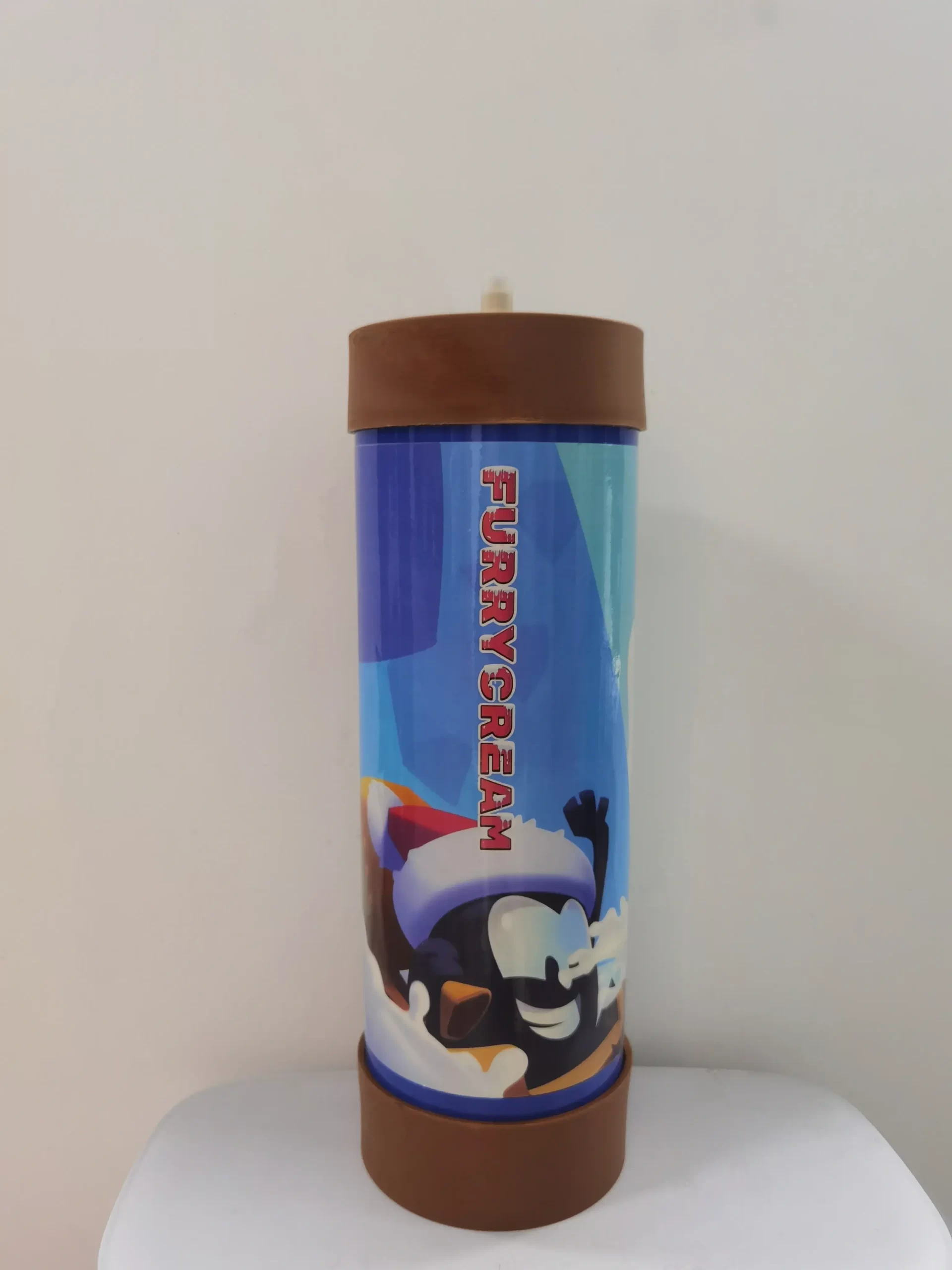
- 580g / 640g Cylinders: These larger tanks have revolutionized the industry. One 580g cylinder holds the equivalent of over 70 small chargers. They connect to the dispenser via a hose. For high-volume restaurants or catering events, these cream canisters are far more efficient. They reduce the time spent changing chargers and produce less metal waste.
To choose the right cream charger size, analyze your daily usage. If you are making hundreds of desserts a night, switching to a Factory Bulk High Volume 2000g Cream Charger Cylinder could save your staff hours of labor. If you are a retailer selling to home cooks, the 8g packs are still the best seller. Understanding the type of cream charger that fits your workflow is essential for operational efficiency.
How Do Whipped Cream Dispensers and N2O Chargers Work as a System?
To get the best results, you must understand that the charger and the dispenser work as a unified system. Cream chargers and dispensers must be compatible. Most cream dispensers have a standard fitting that accepts generic 8g chargers. However, it is crucial to ensure that your dispenser is rated for the pressure of N2O.
The process is simple but precise:
- Fill the whipped cream dispenser with cold heavy cream. Do not overfill.
- Screw on the head securely.
- Place the charger in the holder and screw it onto the pin. You will hear a hiss as the gas releases.
- Shake the dispenser a few times to mix with the cream.
The whipped cream dispenser acts as the mixing chamber. The nitrous oxide charger provides the propellant and the aerating agent. Keeping your whipped cream dispenser in good condition is vital. Check the gaskets and seals regularly. A worn-out gasket will cause gas to leak, wasting your n2o cream chargers. Using a high-quality cream charger also prolongs the life of your dispenser by preventing residue buildup in the delicate nozzle mechanism.
Can You Use Cream Chargers for More Than Just Perfect Whipped Cream?
Many people think whip cream chargers are a one-trick pony, but they are incredibly versatile. Beyond whipped cream, n2o is a secret weapon in modern culinary arts. The pressure generated by the charger can be used for rapid infusion and creating unique textures.
Ways to use cream chargers creatively:
- Rapid Infusion: You can infuse alcohol, oils, or vinegar with flavors like herbs, spices, or fruit in minutes instead of weeks. The pressure forces the liquid into the solid ingredients, extracting the flavor instantly.
- Foams and Espumas: You can turn sauces, soups, and fruit purees into light, airy foams. This technique, popularized by molecular gastronomy, adds a sophisticated touch to any dish.
- Batters: Aerating tempura or pancake batter with a cream charger makes the final product incredibly light and crispy.
Understanding these applications allows you to get more value out of your stock. You can use cream chargers to elevate your entire menu, not just the dessert section. This versatility makes the cream charger for your needs a multifunctional kitchen tool.
How Can You Make Flavored Whipped Cream and Custom Infusions?
Making flavored whipped cream is one of the easiest ways to customize your offerings. Instead of buying expensive pre-flavored syrups, you can create your own fresh blends. To make flavored whipped cream, simply add your sweetener and flavoring agents to the liquid cream before you close the dispenser.
You can add:
- Vanilla extract
- Cocoa powder (dissolved)
- Fruit purees (strained to remove seeds)
- Liquors like Bailey's or Rum
The key is to ensure everything is dissolved so it doesn't clog the nozzle. Once you add the ingredients and charge it with n2o, shake it well to distribute the flavor. This allows you to serve fresh, flavoured whipped cream that tastes far superior to anything from a can.
You can also use this technique to freeze whipped cream dollops for later use in hot cocoa, ensuring you always have a garnish ready. The ability to create custom flavors gives you a competitive edge and allows for seasonal specials that customers love.
What Are the Best Practices for Using Cream Chargers Safely?
Safety is non-negotiable. Cream chargers are safe when used correctly, but they are pressurized vessels and must be respected. Using a whipped cream charger improperly can lead to accidents.
Follow these safety rules:
- Never Overfill: Always leave headspace in the dispenser for the gas.
- One Charger at a Time: For a standard half-liter dispenser, use only one 8g charger. Using too many can cause excessive pressure.
- Inspect for Damage: Never use a charger that looks dented or rusty.
- Temperature Control: Store cream chargers in a cool, dry place. Do not expose them to temperatures above 50°C (122°F), as heat increases pressure.
- Cleanliness: Keep the whipped cream dispenser clean. Wash the nozzle and head thoroughly after every use to prevent bacterial growth.
By following these guidelines, you ensure the safe for food use operation of your equipment. Educating your staff on cream chargers safely handling protocols is essential for a safe working environment.
Why Should You Consider Buying Cream Chargers in Bulk?
For a business owner like Mark, the bottom line is always a priority. Buying cream chargers in bulk is the smartest way to manage costs. When you buy retail packs, you are paying for individual packaging and marketing. Buying cream chargers wholesale directly from a factory or major distributor significantly lowers the cost per unit.
Additionally, buying cream chargers in bulk ensures you never run out during a rush. Whipped cream lasts longer in the dispenser (up to two weeks in the fridge) thanks to the bacteriostatic properties of n2o, so having a steady supply of gas means you can prep in advance.
Ordering OEM Customized 1300g Whipped Cream Charger Larger Tank Food Grade products allows you to brand your own tanks, adding a layer of professionalism to your business. Whether you are a distributor or a large-scale user, bulk purchasing secures your supply chain and boosts your margins.
Summary: Key Points to Remember
- Understand the Tool: Cream chargers are small metal cylinders filled with nitrous oxide that aerate liquid cream.
- Prioritize Purity: Always choose food-grade nitrous oxide to avoid oily residues and ensure food safety.
- Check Certifications: Look for certification marks like ISO, CE, and FDA compliance to guarantee you are buying a high-quality cream charger.
- Select the Right Size: Choose the right cream charger based on your volume—8g for low volume, large cream canisters for high volume.
- Think Systematically: Ensure your cream chargers are compatible with your whipped cream dispenser and keep the equipment clean.
- Get Creative: Use your chargers to make flavored whipped cream, infusions, and foams to expand your menu.
- Buy Smart: Cream chargers in bulk offer the best value and ensure consistent supply for your business.
By following this guide, you can confidently choose the right cream charger solution that meets your standards for quality, safety, and efficiency.

-
 Hangzhou Luire Technology Co., Ltd.
 -
 ROOM 2805 JINZUN TOWER OF ZUNBAO,HANGZHOU,CHINA
 -

-

-