Have you ever looked closely at a professional kitchen and wondered why they always ensure their whipped cream use nitrous oxide? If you are a business owner or procurement officer buying supplies, you might wonder why we see cream use nitrous oxide instead of other options. It is a brilliant bit of science. Experts choose nitrous oxide instead of nitrogen because of how it works with dairy. When you learn how to make whipped cream perfectly, you quickly realize why you must use nitrous oxide to achieve that smooth finish. By using this unique oxide instead of nitrogen gas, you prevent spoilage and improve the topping. Understanding the role of nitrous oxide in whipped applications will completely change how you view kitchen prep.
It is an amazing journey into thermodynamics and business efficiency. For procurement officers stationed in North America or Europe, sourcing reliable culinary tools from overseas manufacturing hubs is a daily challenge. You are not just looking for a product; you are looking for a partnership. You need a factory that understands the rigorous demands of western cafes, bakeries, and catering services. You demand rapid communication, transparent pricing, and above all, uncompromised safety standards. This guide will serve as your ultimate resource, breaking down the technical jargon into actionable business intelligence. We will explore the physics of dairy aeration, the logistics of importing compressed cylinders, and the hidden costs of choosing the wrong supplier. By the end of this comprehensive breakdown, you will possess the exact knowledge needed to outsmart competitors and secure the best possible deals for your enterprise.
What Makes Nitrous Oxide the Best Gas for Whipped Cream?
Many buyers often ask me why standard aerosol cans and professional dispensers rely heavily on one specific gas. It all comes down to the unique property of solubility. You see, when you want to create a delightful dessert, you need a propellant that works with dairy, not against it. This propellant is highly soluble in the fat found in liquid cream.
When a canister filled with heavy cream gets pressurized, the n2o mixes effortlessly into the emulsion. Other gases just sit on top. If you use a gas like oxygen, it will actually oxidize the heavy cream, completely ruining the shelf life. The smart manufacturer understands this science, which is why a cream charger relies purely on this method.

In a busy cafe environment, having a reliable tool means fewer headaches for the staff and faster service for the patrons. Let us dive deeper into why this matters for your bottom line. When a barista is forced to deal with inconsistent pressure from a substandard cylinder, they waste precious seconds adjusting the nozzle or tossing out ruined batches of dairy. Those lost seconds add up during the morning rush, leading to longer lines and frustrated customers. Furthermore, understanding the physical interaction between the propellant and the dairy allows you to troubleshoot issues instantly. If the output is runny, you know it is a temperature issue, not a mechanical failure. This level of operational insight separates successful retail chains from struggling independent shops. As a factory owner who has overseen millions of units shipped globally, I can assure you that the underlying physics dictates the design of every single cylinder we produce.
Why Do We Whip Cream with N2O Instead of Oxygen?
When you whisk air manually into a bowl, you introduce oxygen. For a consumer or a busy chef prepping ahead, that is terrible. It causes the dairy to spoil quickly and limits stability. By choosing to utilize a sealed container, we prolong freshness.
When we push the lever on the dispenser, the fluid rushes out. The pressure drops instantly. The propellant that managed to dissolve inside suddenly wants to escape. It forms tiny bubble after tiny bubble. This rapid reaction gives us that smooth consistency and incredible mouthfeel.
Think about a busy Friday night dinner service. A restaurant cannot afford to have its toppings collapse. They need a robust solution that holds its shape under hot lights. This is where the concept of shelf life extension becomes a massive financial advantage. Traditional whisking methods require constant batch preparation. A pastry chef might have to make a fresh bowl every two hours to ensure peak quality. That is a terrible waste of highly skilled labor. By keeping the dairy sealed under pressure, away from ambient air, that same chef can prep a massive batch in the morning, and the final serving poured at midnight will look and feel exactly like the first. For a catering company managing a massive outdoor wedding, this level of predictability is worth its weight in gold. It allows management to streamline labor schedules and drastically cut down on food waste, directly improving the profitability of the event.
Does This Specific Gas Change the Taste of Your Dessert?
If you supply a high-end bakery, flavor is your top priority. You cannot have a chemical aftertaste ruining a beautiful recipe. Luckily, this propellant is completely odorless and tasteless.
Think about co2. If we put co2 into heavy cream, it will react with water to form carbonic acid. That makes the dairy taste sour and acidic! Nobody wants a sour cake topping. This is why we avoid co2. The inert nature ensures your vanilla or chocolate flavoring remains perfectly intact.
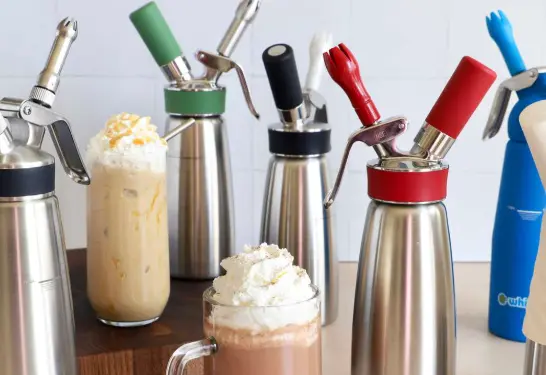
A premium culinary creation demands premium ingredients, and the propellant is just as important as the vanilla bean itself. Let us consider the supply chain of a high-end bakery. The owner spends top dollar importing authentic vanilla from Madagascar or premium cocoa from Belgium. If they then try to cut corners by purchasing industrial-grade cylinders from an unverified source, they risk tainting their entire inventory. The slight metallic tang or sour bite introduced by incorrect propellants will be immediately noticed by discerning patrons. In the age of online reviews, a single negative comment about a bad aftertaste can severely damage a brand's reputation. Therefore, as a procurement officer, your job is not merely to find the lowest price per unit. Your mandate is to secure the lowest price for a product that guarantees absolute flavor neutrality. This requires rigorous vetting of your manufacturing partners and insisting on documented purity certificates before a single container is loaded onto a cargo ship.
How Does N2O Gas Expand to Make it Light and Fluffy?
The secret behind the perfect dollop lies in basic chemistry. Under high temperatures and pressures, molecules behave differently. Inside the cold dispenser, the propellant will liquify partially and hide within the heavy cream.
Once you press the trigger, the mixture hits the open air at room temperature. It rushes to expand back into its normal state. It stretches the dairy into a delicate foam. This allows you to produce a massive volume of topping from just a small amount of liquid. It is a brilliant innovation that makes the final product so incredibly light and fluffy.
The volume increase is massive, saving businesses a huge amount of money on food costs. Let us break down the mathematics of this expansion. When you whisk dairy by hand, you might achieve a volume increase of perhaps double the original amount. The physical limitations of human exertion cap the amount of air you can fold into the heavy cream. However, when utilizing high-pressure cylinders, the expansion ratio leaps dramatically. A single liter of heavy fluid can yield up to four or five liters of fully aerated topping. This means your ingredient cost per serving plummets. For a large-scale coffee chain serving thousands of specialty lattes daily, this difference in yield translates to hundreds of thousands of dollars saved annually. It is a perfect example of how a small technological upgrade at the prep station creates massive ripples across the entire corporate balance sheet.
Is Laughing Gas Safe for Culinary Applications?
People hear the term laughing gas and get concerned. They associate it with dental offices or recreational misuse where people might inhale small amounts. Let me clear this up. When used strictly for food preparation, it is completely suitable.
The food-grade version is heavily purified to filter out any harmful elements. It is not flammable, unlike butane, which is obviously dangerous in a hot kitchen. It simply acts as a delivery system to deliver the topping safely. However, chronic misuse by inhaling directly from a cartridge can deplete vitamin b12. Always train your team properly.
Safety should always be the number one priority when dealing with pressurized cylinders. As a factory operator managing multiple advanced production lines, I have seen firsthand the devastating consequences of lax safety protocols. In developing manufacturing hubs, some unscrupulous vendors cut corners by using inferior steel or failing to clean the interior of the cylinders before filling them. This leaves behind microscopic metal shavings or machine oil residues. When a chef uses that compromised cylinder, those contaminants are blasted directly into the food. To avoid this nightmare scenario, international buyers must demand strict compliance with global safety frameworks. Look for suppliers who welcome third-party audits and proudly display their safety certifications. Furthermore, the physical construction of the cylinder must be robust enough to withstand the rigors of international shipping. A dented or compromised valve can lead to dangerous leaks during transit, causing massive delays at customs and completely disrupting your supply chain.
What Happens When the Propellant Creates the Perfect Texture?
Creating the perfect dollop is an art. The dairy must have enough content of heavy cream—usually around 35%. When it expands, it builds a structural web.
This web holds the shape perfectly. If you try this with an aqueous solution without heavy cream, the bubble just pops instantly. The heavy cream acts like a balloon skin, capturing the propellant to give you that perfect texture. This is why standard milk will not whip properly.
Check out our widely selling 2000g cream charger whip tanks for professional-grade reliability. By choosing the right tool, you eliminate the guesswork. The structural integrity of the resulting foam is truly a marvel of modern culinary engineering. Consider the difference between a delicate topping on a hot latte and the robust structure required for a multi-tiered pastry display. The heat rising from a hot beverage acts as an immediate stressor on the structural web. If the fat ratio is incorrect or the gas integration is poor, the topping will melt into a sad, oily puddle within seconds. Conversely, a properly executed aeration process yields a structure that acts almost as an insulating layer, holding its pristine shape while slowly melting into the beverage, creating a luxurious drinking experience. This level of control empowers chefs and baristas to push the boundaries of their menu offerings, confident that their equipment will perform flawlessly under pressure.
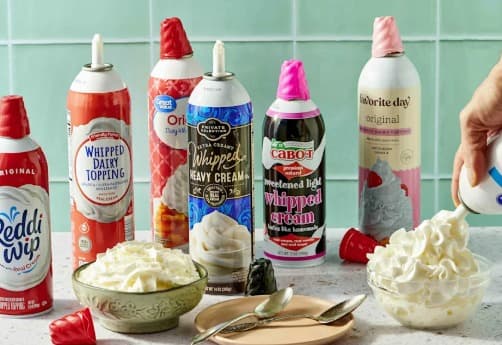
Why Not Use Nitrogen for Your Whip Dispenser?
We already mentioned the sour taste of co2 and the spoiling effect of oxygen. What about pure nitrogen? While nitrogen is great for cold brew coffee, it does not dissolve well enough in heavy cream to create a rich foam. It creates larger, less reliable results.
To standardize your output, you need high solubility. It is compact, convenient, and highly effective. This ensures your application of toppings is always flawless.
When you are serving hundreds of cups of coffee a day, flawless execution is what keeps customers coming back. The debate between different propellant types often confuses novice buyers. They see coffee shops using specific setups for cold brews and mistakenly assume the same setup works for dairy. The key difference lies in the desired outcome. For a stout beer or a cold brew coffee, the goal is a cascading, micro-bubbled head that looks visually striking but does not need to support the weight of additional garnishes. Dairy aeration requires heavy lifting. It needs to support chocolate shavings, caramel drizzles, and fruit pieces. This requires a robust, thick structure that only specific high-solubility propellants can provide. Understanding these subtle distinctions elevates you from a simple buyer to a true industry expert, allowing you to advise your internal stakeholders on the best equipment purchases for their specific menu goals.
How Does a Bulk Supplier Improve Your Efficiency?
As a B2B supplier, I talk to procurement officers daily. They want reliable results. When a cafe uses a proper setup, every barista pours the exact same quality of topping for their dessert.
Whether you use a small charger or a large tank, the steady pressure guarantees uniform aeration. You eliminate the physical labor of whisking. Your business saves money on labor and reduces waste.
Upgrade to our high-capacity N2O tanks to keep your kitchen running smoothly. Efficiency translates directly into higher profit margins. Let us discuss the hidden costs of inefficiency. Every time a worker has to stop what they are doing to unscrew a small, spent metal bulb, discard it, locate a fresh one, insert it, and re-pressurize the system, money is actively being lost. In a high-traffic environment, these micro-interruptions destroy the rhythm of the kitchen line. By upgrading to larger, continuous-flow systems, you eliminate these bottlenecks entirely. The staff can focus on plating and presentation rather than equipment maintenance. Additionally, the environmental impact is significantly reduced. Disposing of hundreds of tiny metal bulbs daily creates a massive waste footprint. Transitioning to larger, recyclable cylinders aligns your business with modern sustainability goals, a factor that is increasingly important to today's eco-conscious consumers.
Are These Products Good for the High-Volume Market?
Absolutely. High-volume kitchens in the market are switching to larger tanks. These larger cylinders contain much more propellant, meaning fewer changeovers during a busy shift.
If you cater large events, you need equipment that can keep up. Investing in larger tanks reduces downtime and packaging waste. Time is money, and stopping to unscrew a small bulb every five minutes wastes both.
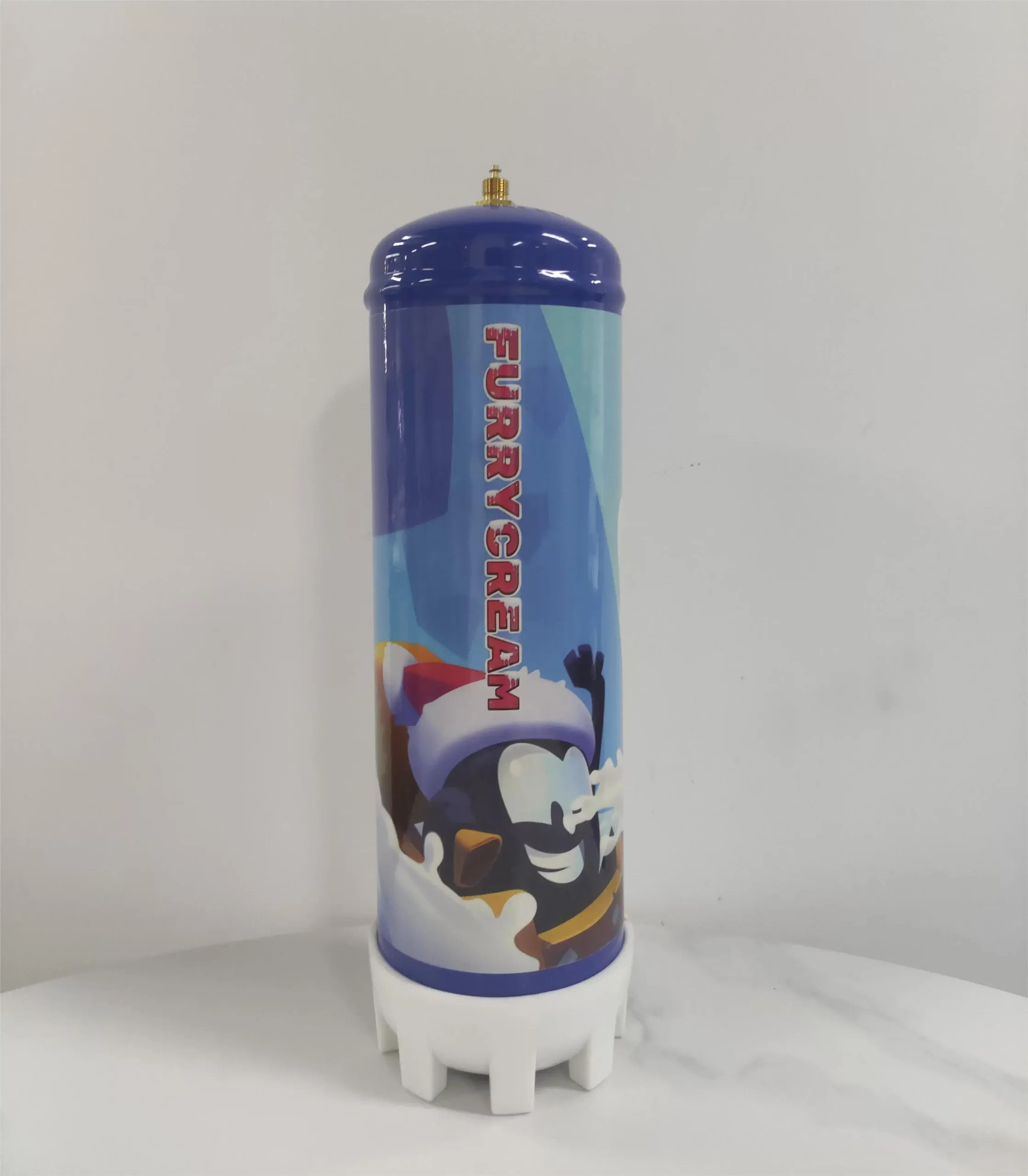
Discover the efficiency of our factory direct 1300g whipped cream charger. It is a game changer for large-scale operations. When evaluating your procurement strategy for the upcoming fiscal year, you must factor in freight costs. Shipping heavy metal objects across the ocean is expensive. Small bulbs require excessive amounts of cardboard packaging to keep them secure during transit. You end up paying to ship cardboard and empty space. Large cylinders optimize the weight-to-gas ratio perfectly. You fit significantly more actual usable product into a standard shipping container when you switch to high-capacity tanks. This drastically lowers your landed cost per gram of propellant. For a wholesale distributor operating on tight margins, this logistical optimization is the key to outpricing local competitors while still maintaining a healthy bottom line.
How Do I Ensure I am Buying High-Quality Supplies?
The industry is flooded with cheap alternatives. As an informed buyer, you must look for certifications. A reliable supplier will provide food-grade purity testing to ensure the best taste and safety.
Look for a facility with dedicated production lines and a strong export history. This guarantees that your tools will not impart strange flavors or cause mechanical issues with your dispensers. Communication is key. If a sales representative cannot answer technical questions about purity or pressure, walk away.
For a reliable option, view our 730g food grade cream charger. We pride ourselves on transparency and superior quality. Navigating the landscape of overseas manufacturing requires vigilance and expertise. I highly recommend attending major international trade exhibitions. Meeting face-to-face with factory representatives allows you to gauge their technical competence and commitment to quality. Ask hard questions about their valve designs, their cylinder pressure ratings, and their internal cleaning processes. Request video tours of their production lines if you cannot visit in person. A legitimate manufacturer will eagerly showcase their advanced robotics and clean-room environments. Conversely, a middleman or a subpar vendor will offer excuses and deflect technical inquiries. Building a long-term relationship with a verified, top-tier factory ensures that your business never suffers from unexpected stock shortages or catastrophic quality failures during your most critical sales seasons.
Summary of Key Takeaways
- Unmatched Solubility: It dissolves perfectly into heavy cream, unlike oxygen or other alternatives.
- Flavor Preservation: It is entirely tasteless and odorless, preserving your delicate recipes perfectly.
- Freshness Protection: Using an inert environment prevents the oxidation that ruins dairy over time.
- Incredible Texture: It creates an incredibly light structure with excellent hold and shape.
- Operational Efficiency: Bulk solutions save significant time and labor in professional kitchens while dramatically lowering shipping costs.

-
 Hangzhou Luire Technology Co., Ltd.
 -
 ROOM 2805 JINZUN TOWER OF ZUNBAO,HANGZHOU,CHINA
 -

-

-