As a manufacturer with over a decade of experience in the nitrous oxide industry, I'm Allen, and I've spoken with hundreds of business owners like you. You're dedicated to providing top-tier culinary products, and that means understanding every component, right down to the gas that makes your whip cream so perfect. A question that frequently comes up, and rightly so, concerns the safety of the gas from whipped cream chargers. Is nitrous oxide safe in whipped cream? The short answer is yes, absolutely—when used as intended in a culinary setting. This article is worth your time because we're going to cut through the noise and misinformation. We will explore the science behind why N2O is the gold standard for whipped cream, detail the critical differences between proper culinary application and dangerous misuse, and provide you, the discerning business owner, with the knowledge to source and handle these products with complete confidence.
What Exactly is Nitrous Oxide and Why is it Used in Whipped Cream?
Let's start with the basics. Nitrous oxide (N2O), often known as laughing gas, is a colorless, non-flammable gas with a slightly sweet odor and taste. You might have encountered it in a medical or dental setting, where it's used medically as a mild sedative and anesthetic for pain relief. But what is it doing in the kitchen? The unique properties of nitrous oxide make it the perfect propellant for culinary applications, especially for creating whip cream. When nitrous oxide is dissolved into a liquid containing fat, like heavy cream, under pressure, it works wonders.
The magic happens when you release the pressure. The dissolved nitrous oxide expands and turns back into gas, creating millions of tiny bubbles within the cream. This process aerates the liquid, transforming it into a light, fluffy, and stable foam—the delicious whipped cream we all know and love. Unlike oxygen, which would cause the fats in the cream to spoil and go rancid quickly, nitrous oxide is bacteriostatic, meaning it inhibits bacteria growth. This not only makes the whip cream perfectly textured but also helps preserve it inside the dispenser for up to two weeks in the refrigerator. This efficiency and preservation are why nitrous oxide is used in whipped cream and has become indispensable in professional kitchens worldwide.
How Does a Whipped Cream Dispenser Use a Nitrous Oxide Charger?
The process is a beautiful example of simple, effective engineering that empowers chefs and baristas. A whipped cream dispenser is a system designed to safely combine a liquid base (like cream) with nitrous oxide gas. It consists of a bottle, a head, a dispensing nozzle, and a holder for the cream charger. The charger itself is a small, pressurized canister containing a precise amount of food-grade nitrous oxide.
Here's the step-by-step:
- You pour your liquid cream, sugar, and flavorings into the main bottle of the dispenser.
- You screw the head on tightly, creating an airtight seal.
- A cream charger is placed into the holder, which is then screwed onto the head of the dispenser. As it tightens, a pin pierces the foil cap on the charger, releasing the pressurized nitrous oxide into the bottle.
- You'll hear a distinct "whoosh" as the gas enters. At this point, you give the dispenser a good shake to help the nitrous oxide dissolve into the cream.
- When you press the lever, the pressure inside forces the N2O-infused cream out through the nozzle. The sudden drop in pressure causes the gas to expand, instantly creating fresh whip cream.
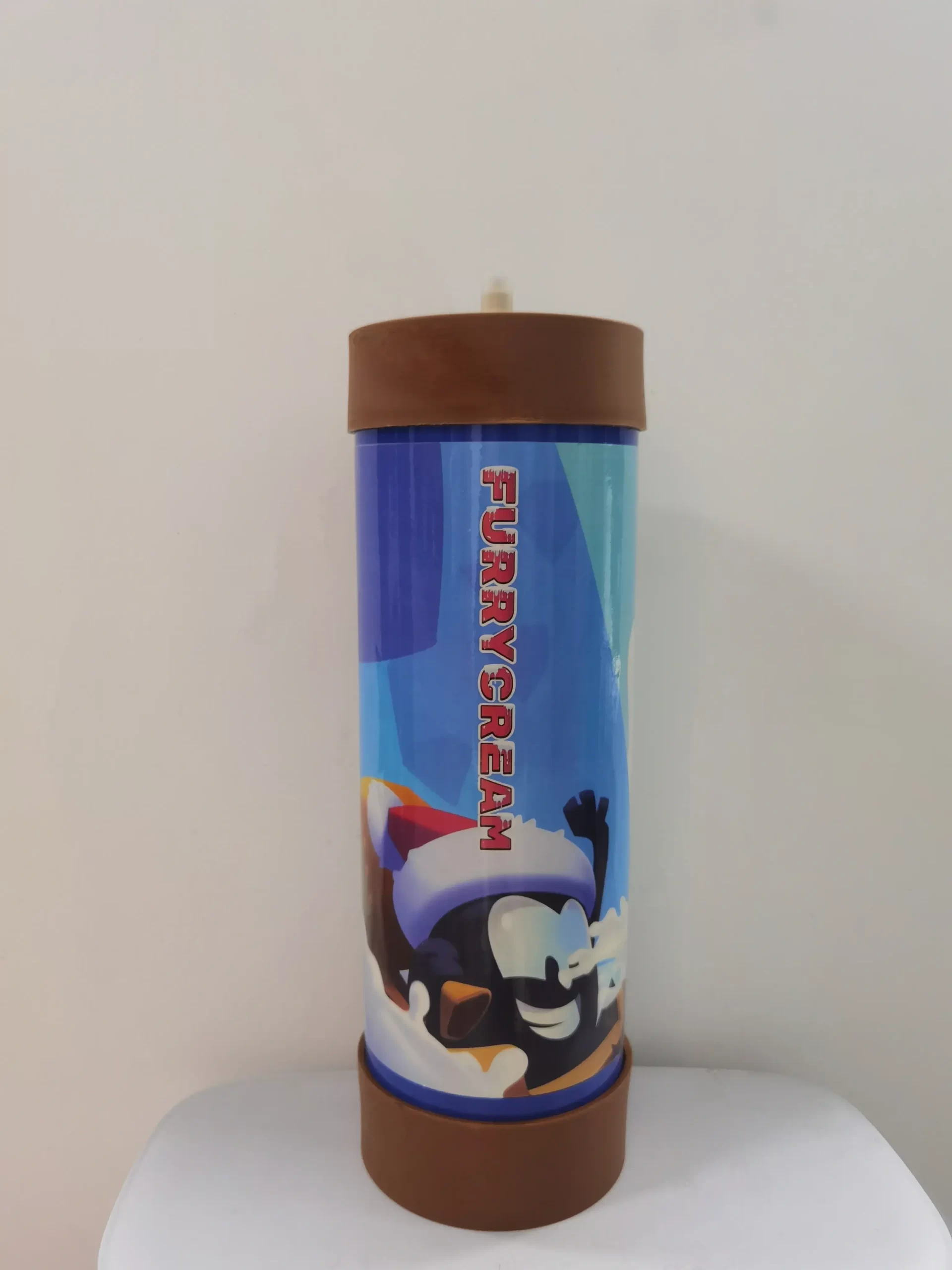
This efficient system ensures that every use is fresh and consistent. For larger operations, using a bigger charger or tank system like a 2000g Whipped Cream Charger FURRYCREAM Factory Supply Price Cream Charger is more economical, minimizing the need to constantly replace small cartridges. This setup is a cornerstone of modern culinary efficiency, relying on the predictable behavior of the gas from whipped cream chargers.
Is the N2O Used in Whipped Cream Dispensers Truly Safe for Culinary Use?
This is the most important question for any responsible business owner. The answer is an emphatic yes: nitrous oxide is considered safe for food use when handled correctly with the proper equipment. The key lies in the "how" and "what." The amount of nitrous oxide that remains in the finished whip cream is minuscule. The gas does its job of aeration and then largely dissipates. It doesn't chemically alter the cream or leave behind harmful residues, which is why global food safety authorities, including the FDA in the USA, have approved its use as a food additive (propellant).
However, this safety profile is entirely dependent on two factors: using food-grade nitrous oxide and using it only as intended in a whipped cream dispenser. The system of chargers and dispensers is designed to control the release of the gas safely. The pressure is contained, and the gas is dissolved into a liquid, not concentrated for breathing. When you make whipped cream, you are not exposed to the gas directly. Therefore, the concern shouldn't be about the oxide safe in whipped cream itself, but rather about ensuring the product is sourced from a reputable factory that guarantees its purity and is never, ever used for any purpose other than food preparation. Any attempt to inhale the gas bypasses all these built-in culinary safeguards.
The Critical Difference: Food-Grade vs. Other Grades of Nitrous Oxide
Not all nitrous oxide is created equal, and for a business owner like Mark, this is a non-negotiable point of quality. The nitrous oxide intended for culinary use must be "food-grade." This is a certification that we, as manufacturers, take extremely seriously.
| Feature | Food-Grade Nitrous Oxide | Automotive-Grade Nitrous Oxide | Medical-Grade Nitrous Oxide |
|---|---|---|---|
| Purity | High purity (typically >99.7%) | Lower purity | Highest purity, mixed with Oxygen |
| Impurities | Filtered to remove industrial lubricants, sulfur, and other contaminants. | Contains sulfur compounds (for detecting leaks) and other industrial byproducts. Highly toxic to inhale. | Stringently purified and mixed with at least 20% oxygen for safe medical administration. |
| Purpose | Food propellant (aeration) | Engine performance enhancement | Anesthetic and analgesic |
| Regulation | Governed by food safety standards | Industrial regulations | Governed by pharmaceutical and medical device regulations |
| Packaging | Sealed, clean canister or cylinder for kitchen use. | Large, heavy-duty industrial tanks. | Specialized medical cylinders. |
Sourcing chargers that are not certified as food-grade is a massive risk. Industrial N2O can contain toxic impurities that can contaminate your food products and harm your customers. This is where certificate fraud, a major pain point for importers, becomes a serious threat. A reliable supplier will always provide transparent, verifiable certifications (like HACCP, ISO) to prove their N2O is pure and safe for culinary preparation. When we ship our 730g OEM Accepted Cream Charger Food Grade Dessert Tools, we ensure every batch meets these stringent international standards.
Why is it So Dangerous to Inhale Gas from a Whipped Cream Charger?
This is where the conversation shifts dramatically from culinary science to public health. The act of deliberately trying to inhale nitrous oxide from a charger is known as misuse, and it is incredibly dangerous. The primary danger comes from asphyxiation. The charger contains 100% pure nitrous oxide; there is no oxygen. When you inhale nitrous oxide directly from a canister or balloon, the gas displaces oxygen in your lungs. This lack of oxygen (hypoxia) can starve your brain and other vital organs, leading to dizziness, loss of consciousness, and in severe or prolonged cases, permanent brain damage or even including death.
Furthermore, the gas inside a whipped cream charger is under high pressure and is extremely cold. The charger is extremely cold as the gas is released. If you attempt to inhale the gas directly from the canister, it can cause severe frostbite to the nose, lips, throat, and vocal cords. This can result in permanent tissue damage. The euphoric effects that some seek are fleeting, lasting only a few minutes, but the risks are profound and long-lasting. It is crucial to distinguish this dangerous act of inhalation from the safe, intended use of nitrous oxide in a kitchen dispenser.

What are the Specific Health Risks of Recreational Nitrous Oxide Use?
Beyond the immediate dangers of asphyxia and frostbite, chronic recreational nitrous oxide misuse can lead to serious and debilitating serious health problems. The most significant long-term risk involves severe neurological effects. Nitrous oxide interferes with the body's ability to use vitamin B12. This is not just a minor vitamin issue; it's a critical mechanism that can have catastrophic consequences for the nervous system.
Here are some of the documented health risks when the gas is used recreationally:
- Neurological Damage: Vitamin B12 is essential for maintaining the health of myelin, the protective sheath around nerve fibers in the brain and spinal cord. Chronic inhalation of nitrous oxide inactivates B12, leading to the breakdown of this sheath. This can cause a condition called subacute combined degeneration of the spinal cord.
- Physical Symptoms: The damage manifests as numbness and tingling in the hands and feet, limb weakness, difficulty walking and balancing, and loss of coordination. In many cases, this damage can be permanent.
- Psychological Effects: Chronic misuse is also linked to confusion, paranoia, hallucinations, and other psychological disturbances.
- Cardiovascular Issues: The interference with vitamin B12 metabolism can lead to elevated levels of certain amino acids (acid and homocysteine), which are risk factors for blood clots and other cardiovascular problems.
It cannot be stressed enough: the nitrous oxide found in whipped cream chargers is intended for one purpose only—to make whipped cream. Using it as a recreational drug or inhalant, often referred to by slang terms like “whippits,” is a direct path to serious health problems.
Can You Really Get a Vitamin B12 Deficiency from Nitrous Oxide?
Yes, absolutely. This is not a myth; it's a well-documented biochemical fact. Here's a simplified explanation of what happens. Nitrous oxide oxidizes the cobalt ion in vitamin B12, rendering it inactive. This inactive form can no longer function as a cofactor for two crucial enzymes:
- Methionine Synthase: This enzyme is vital for synthesizing DNA and for processing the amino acid homocysteine. When it's blocked, you get the elevated levels of homocysteine mentioned earlier, and it disrupts the protective myelin sheath.
- L-methylmalonyl-CoA Mutase: Blocking this enzyme leads to a buildup of methylmalonic acid, which is also toxic to the nervous system.
This induced vitamin B12 deficiency is the primary driver of the severe neurological effects seen with chronic recreational nitrous oxide use. It's a condition that can progress rapidly and can be misdiagnosed if a doctor isn't aware of the patient's nitrous oxide use. Treatment often requires high-dose intramuscular vitamin B12 injections to bypass the inactivation process in the body, but even with treatment, neurological recovery is not always complete. This is a far cry from the safety of consuming whip cream, where the N2O exposure is negligible and does not pose health risks of this nature.
As a Business Owner, How Can I Ensure I'm Sourcing a Safe and Certified Charger?
For a procurement officer like Mark, this is the million-dollar question. Your reputation and your customers' safety depend on it. In my experience as a factory owner exporting to the USA, Europe, and Australia, the key is due diligence. Don't just look for the lowest price; look for a trustworthy partner.
Here’s a checklist for vetting a supplier:
- Demand Verifiable Certifications: Ask for copies of their food-grade compliance certificates (e.g., HACCP, ISO 22000). A reputable manufacturer will provide these without hesitation. Be wary of suppliers who are evasive. You can even contact the certifying body to verify the certificate's authenticity.
- Inquire About Quality Control: Ask about their manufacturing process. How do they ensure purity? What kind of filtering systems do they use? At our facility, we have 7 production lines with multi-stage filtration to remove any potential impurities. We are proud to explain our process.
- Evaluate Communication: A professional supplier will communicate clearly and efficiently. If you're experiencing constant delays, language barriers, and a lack of transparency, that's a red flag. Clear communication is a sign of a well-run, customer-focused operation.
- Ask for Product Samples: Before placing a large order, request samples to inspect the quality of the charger and packaging. The canister should be clean, properly sealed, and without any signs of rust or damage.
- Discuss Logistics: An experienced exporter will have a deep understanding of international shipping, customs, and regulations. They can provide accurate timelines and handle the complexities of getting your product to you without delays, preventing you from missing peak sales seasons. Our team is well-versed in navigating these challenges for our clients in North America and beyond.
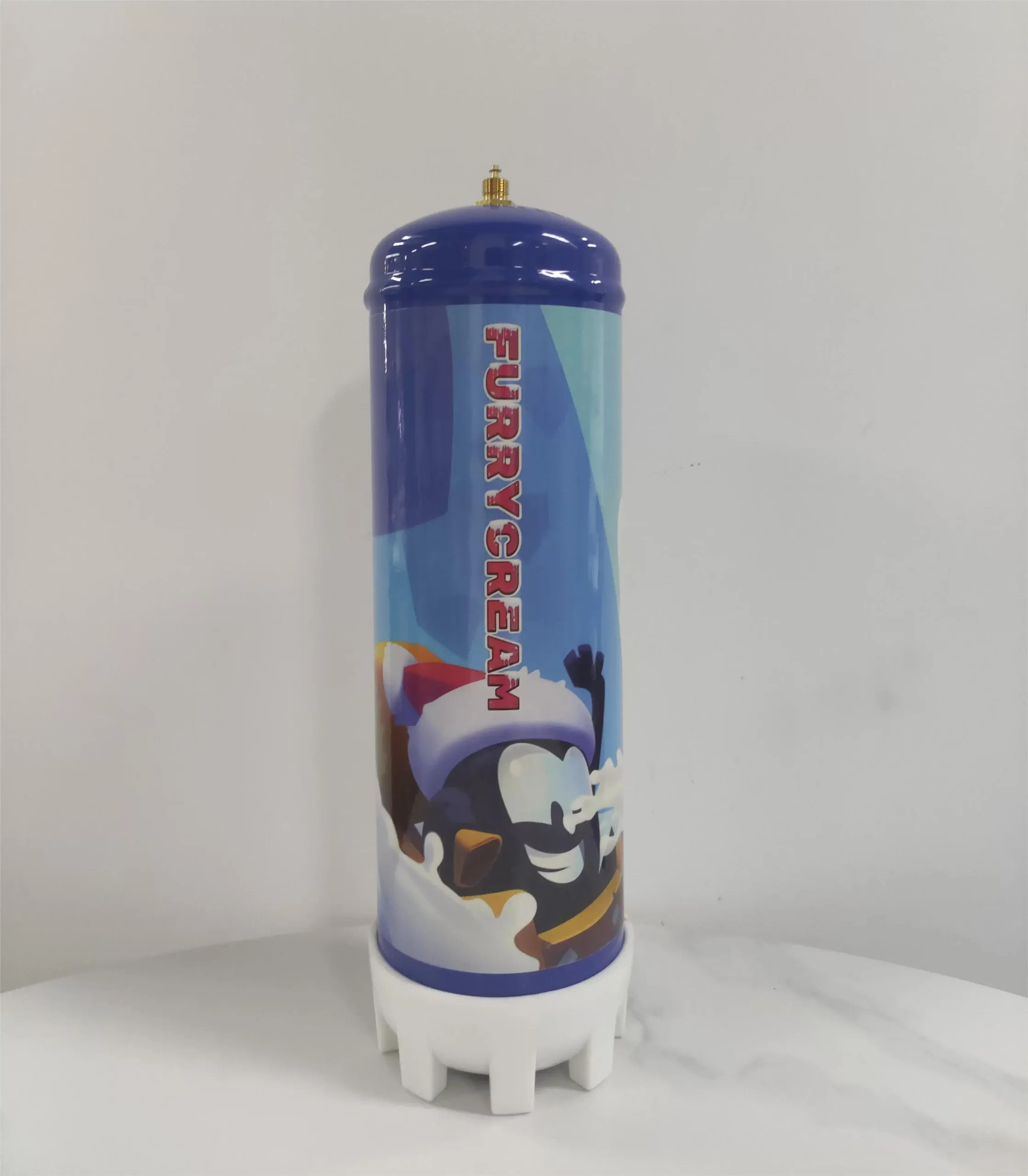
Choosing a supplier is a partnership. We provide Factory Bulk High Volume 2000g Cream Charger Cylinder 3.3L with OEM Service, and we view our clients as partners in delivering a safe, high-quality product to the end consumer.

What are the Best Practices for Storing and Handling Whipped Cream Chargers?
Proper storage and handling are crucial for maintaining both the safety and quality of your whipped cream chargers. While they are robust, they are still pressurized canisters and must be treated with respect.
Storage:
- Keep them Cool and Dry: Store chargers in a cool, dry place away from direct sunlight, heaters, or ovens. High temperatures can increase the pressure inside the charger, which could be hazardous. The ideal storage temperature is below 50°C (122°F).
- Ensure Proper Ventilation: The storage area should have good ventilation. While leaks are rare with high-quality chargers, this is a general best practice for any pressurized gas product.
- Keep Away from Children: Store them in a location that is inaccessible to children and individuals who might misuse them.
Handling:
- Inspect Before Use: Always give the charger a quick visual inspection before use. Do not use any charger that appears damaged, rusted, or tampered with.
- Use the Right Equipment: Only use chargers with a compatible, high-quality whipped cream dispenser. Never try to pierce a charger by any other means.
- Dispose of Properly: Empty chargers are recyclable steel. Never dispose of full or partially full chargers. Ensure they are completely empty before recycling. Do not incinerate them.
Following these simple rules ensures that the product remains safe to use throughout its lifecycle, from your stockroom to your customer's kitchen. It’s a simple but vital part of a professional operation.
Your Questions Answered: The Truth About N2O Safety and Misconceptions
Let's tackle some final points to ensure complete clarity. As someone who has built a business on this product, I believe in transparency.
"Is there enough N2O in whipped cream to have any effect if you eat a lot of it?"
No. The amount of residual nitrous oxide in whipped cream is infinitesimally small. The gas has done its job of creating the foam structure and is no longer present in a gaseous, concentrated state. You would not be able to consume enough whip cream to experience any of the effects associated with inhalation. The oxide found in whipped cream is harmless.
"Can you huff the gas from a commercial whipped cream can?"
Attempting to inhale from commercial whipped cream cans (like Reddi-wip) is also extremely dangerous and carries the same risks of hypoxia and frostbite. The propellants are not meant to be breathed. The system is designed to dispense cream, not gas.
"Are all chargers the same size?"
No, they come in various sizes. The standard is an 8-gram charger. However, for commercial use, larger tanks are far more efficient and cost-effective. We offer a range from 580g and 615g up to larger 1300g and 2000g cylinders to meet the diverse needs of restaurants, cafes, and catering services. A larger capacity means less downtime and waste.
The bottom line is that the safety of N2O is entirely about its application. In the right hands, for the right purpose, it is a brilliant culinary tool. Our mission as a manufacturer is to provide you, the culinary professional, with a product that is pure, reliable, and above all, safe when used as intended.
Key Takeaways to Remember:
- Culinary Use is Safe: Food-grade nitrous oxide is perfectly safe when used as directed in a whipped cream dispenser to make whipped cream. The gas aerates the cream and does not leave harmful residues.
- Misuse is Dangerous: To inhale nitrous oxide recreationally is extremely hazardous. It can cause oxygen deprivation, frostbite, severe and permanent neurological damage due to vitamin B12 deficiency, and even death.
- Source from Certified Suppliers: Always partner with a manufacturer who can provide verifiable food-grade certifications. This is your primary defense against low-quality or contaminated products.
- Grade Matters: Never use industrial or automotive-grade N2O for food. It contains toxic impurities. Stick to reputable suppliers who specialize in culinary-grade products.
- Proper Handling is Key: Store chargers in a cool, dry, well-ventilated area away from heat and children. Handle them with care and dispose of them responsibly. Your business's safety and reputation depend on it.

-
 Hangzhou Luire Technology Co., Ltd.
 -
 ROOM 2805 JINZUN TOWER OF ZUNBAO,HANGZHOU,CHINA
 -

-

-