I've spent years in the heart of the whipped cream charger industry. From my factory in China, with its seven dedicated production lines, I've had the privilege of supplying high-quality N2O gas cylinders to businesses across the USA, Europe, and Australia. I've spoken with countless procurement officers and business owners, people like Mark Thompson from the States—decisive, knowledgeable in sales, but often looking for deeper technical insights into the products they purchase. This article is for you, Mark, and for everyone who wants to understand not just how to use a cream charger, but why quality, safety, and proper technique are paramount. We will explore everything from the basic mechanics to advanced tips, ensuring you get the most out of every canister and build a successful business around it.
What Exactly Is a Whipped Cream Charger and How Does It Work?
At its core, a whipped cream charger is a small, pressurized steel cartridge or a larger tank filled with food-grade nitrous oxide (N2O). This gas is the magic ingredient that transforms liquid whipping cream into the light, airy foam we all love. When you use a cream charger, you are essentially performing a rapid infusion process. The whip cream dispenser is the vessel where this transformation happens. You fill the dispenser with liquid cream, screw on the lid, and then introduce the gas from the charger.
The science is fascinating yet simple. Under high pressure, the nitrous oxide dissolves into the fat molecules of the cream. When you press the lever of the whipped cream dispenser, the pressure is suddenly released. This causes the dissolved N2O gas to expand rapidly, creating millions of tiny bubbles that fluff up the cream, increasing its volume by up to four times. This is far more efficient than whisking by hand or using an electric mixer, which only incorporates air. The result is a smoother, more stable texture and a professional finish for any dessert.
A single small cartridge typically contains about 8 grams of nitrous oxide, enough to aerate about a pint of cream. The entire process, from loading the charger to dispensing the perfect dollop of whipped cream, takes less than a minute. This efficiency is why restaurants and cafes rely on this method. For a business, time is money, and using cream chargers is a quick and easy way to produce a consistent, high-quality topping. The system—a dispenser and a charger—is designed to be a perfect pairing, ensuring a perfect whip every single time.
How Do You Choose the Right Size Cream Charger for Your Needs?
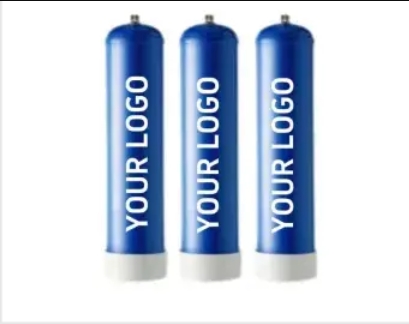
Choosing the right cream charger size is crucial for efficiency and cost-effectiveness, especially in a B2B context. The options have expanded significantly over the years. The traditional 8-gram cartridge is perfect for home use or small cafes where you might only need one batch at a time. However, for high-volume environments like a busy catering service or a large restaurant, constantly swapping out tiny chargers is inefficient. This is where larger N2O cylinders and tanks come into play.
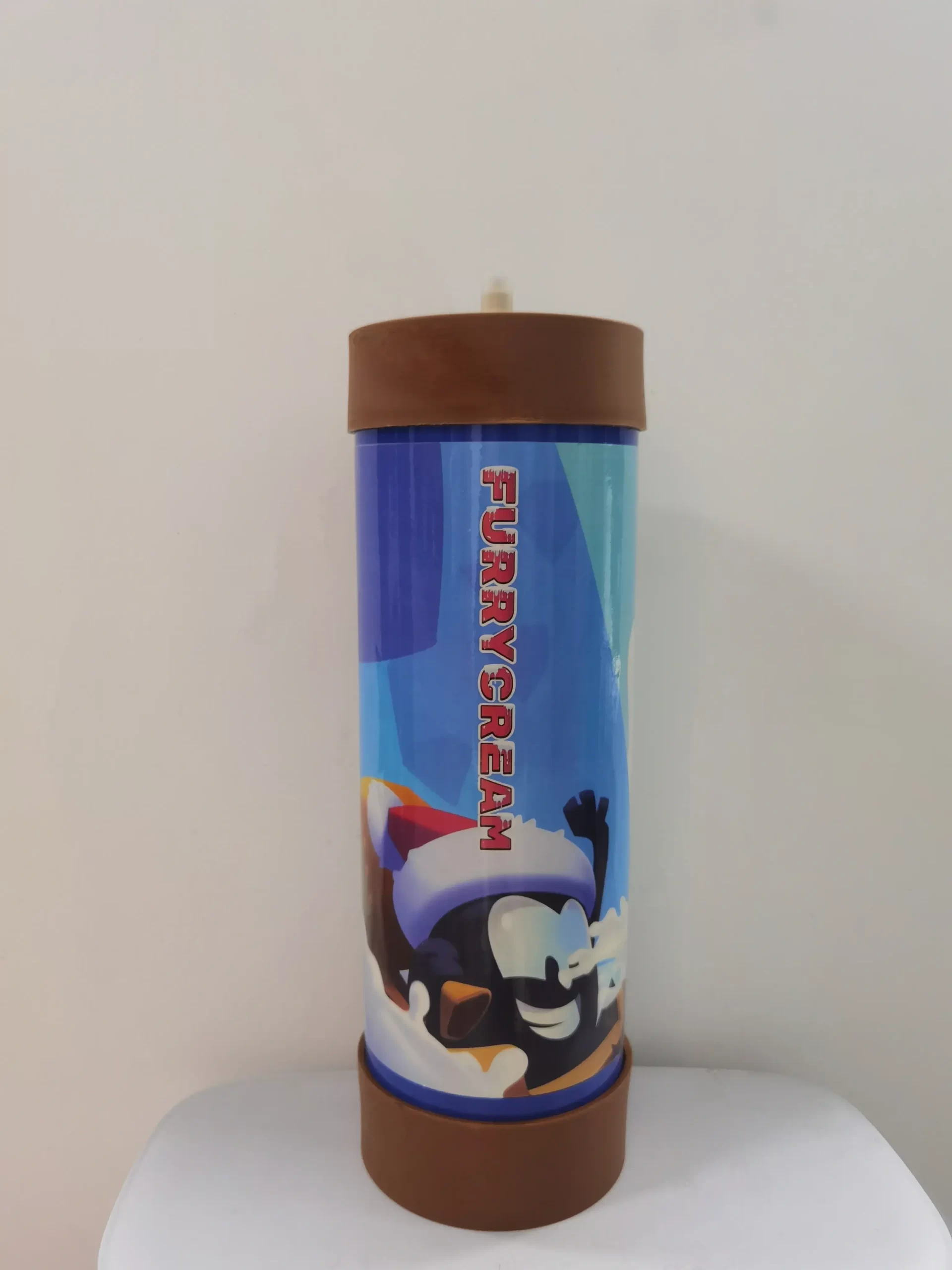
The market now offers various different sizes, including 580g, 615g, 1300g, and even massive 2000g Whipped Cream Charger FURRYCREAM Factory Supply Price Cream Charger tanks. A 580g canister, for instance, holds the equivalent of about 72 standard 8g chargers. Imagine the time saved by not having to change the cartridge 71 times! These larger tanks connect to the whipped cream dispenser via a hose and regulator system, allowing you to pressurize multiple batches of cream sequentially without ever changing the gas source. This minimizes downtime during peak service hours.
So, how do you choose the right one?
- Low Volume (Home Use, Small Cafes): The classic 8g charger is still a viable option. It’s simple and requires no extra equipment.
- Medium Volume (Busy Restaurants, Cocktail Bars): A 580g or 615g canister offers a great balance. It’s manageable in size, easy to store, and provides enough gas for dozens of dispensers before needing a replacement.
- High Volume (Catering, Industrial Kitchens): Larger n2o tanks (1300g and up) are the most economical choice. You buy gas in bulk, reducing the cost per gram, and maximize operational uptime. As a manufacturer, I've seen a huge shift towards these larger sizes, as businesses realize the immense labor savings they offer.
What is the Step-by-Step Process to Use a Whip Cream Charger Safely?
Safety is non-negotiable. As a supplier, my commitment is to produce a safe and reliable product, but proper handling is equally important. Using a whip cream charger is straightforward, but following the correct steps ensures both safety and the best results. Whether you're using a small cartridge or a large tank, the principles are similar.
Here is a simple, safe way to use a whip cream charger:
- Prepare the Dispenser: Start by pouring your chilled liquid whipping cream into the cream dispenser canister. Don't overfill it! Check the max-fill line on your dispenser. You need to leave room for the gas to work its magic. You can also add sweeteners like powdered sugar or flavorings at this stage.
- Secure the Lid: Screw the head of the dispenser on tightly. Make sure it's snug to create a perfect seal. Any leaks will prevent the cream from whipping correctly.
- Load the Charger: If using an 8g cartridge, place it into the holder. Twist the holder onto the dispenser's inlet valve until you hear a distinct hissing sound. This is the gas being released into the canister. If you are using a larger tank, you'll connect the hose to the valve and open it briefly to pressurize the dispenser.
- Shake It Up: Once the gas is inside, give the dispenser a good shake—about 4-5 times is usually enough. This helps the nitrous oxide dissolve into the cream. Don't over-shake, as it can make the cream too dense.
- Dispense and Enjoy: Turn the dispenser upside down and press the lever gently to dispense the cream. The first bit might be a little runny, which is normal. Your fluffy, perfect whipped cream is now ready to use!
Always work in a well-ventilated area, especially when handling larger quantities of nitrous oxide. Never point a dispenser or charger at your face or anyone else's, and always unscrew the charger holder slowly to release any residual pressure before removing the empty cartridge.
Can You Use Whipped Cream Chargers for More Than Just Dessert Toppings?
Absolutely! While the most common whipped cream use is as a topping for pies, cakes, and hot chocolate, the technology behind the cream charger has incredible applications across the culinary world. The process is technically known as rapid infusion, and it can be used to impart flavor into liquids in a fraction of the time it would normally take.
Creative chefs and mixologists utilize this method for a variety of purposes:
- Infusing Alcohols: You can place herbs, spices, or fruit into a liquid like vodka or gin inside a whipped cream dispenser. Charge it with a cream charger, let it sit for a few minutes, and then vent the gas. The pressure forces the liquid into the pores of the solid ingredients, extracting flavor almost instantly. This can create custom-flavored spirits for cocktails in minutes instead of weeks.
- Flavoring Oils and Vinegars: The same principle applies here. Think chili-infused olive oil or rosemary-infused vinegar for dressings and marinades, made fresh on demand.
- Creating Foams and Espumas: You can move beyond cream and create light, airy foams from fruit and vegetable purees. This technique, popularized in molecular gastronomy, adds a unique texture and flavor to savory dishes. Imagine a light beet foam served with goat cheese or a delicate tomato foam atop a piece of grilled fish.
- Carbonating Beverages: You can even use a whip dispenser with a CO2 charger (not N2O) to make small, single-servings of sparkling beverages.
The versatility of the whipped cream dispenser makes it one of the most underrated tools in a modern kitchen. It’s not just for making a dessert; it’s a device for rapid flavor experimentation. The key is the nitrous oxide, which is inert and doesn't oxidize the ingredients, preserving their fresh flavor.
How Can You Guarantee the N2O in Your Whipped Cream Chargers is Food-Grade?
This is one of the biggest concerns for any discerning buyer, and rightly so. For people like Mark, who stake their reputation on the quality of the products they sell, certificate fraud and low-purity gas are major pain points. As a manufacturer, ensuring the purity and safety of our nitrous oxide is our top priority. The difference between food-grade N2O and industrial-grade N2O is significant. Industrial gas can contain impurities that are not only harmful but will also leave an unpleasant, oily residue and a metallic taste in your whipped cream.
To guarantee you're getting a food-grade product, look for these key indicators:
- Certifications: Reputable suppliers should readily provide certifications like ISO 9001, HACCP, and compliance with EU and US food safety standards. Don't be afraid to ask for these documents. A trustworthy partner will be transparent. My factory, for example, undergoes regular audits to maintain these certifications.
- Purity Levels: Food-grade nitrous oxide should have a purity level of 99.7% or higher. We test every batch before it leaves our facility to ensure it meets this standard.
- Supplier Reputation: Work with established suppliers who have a track record of quality. A quick Google search, checking reviews, or attending industry exhibitions to meet suppliers in person can tell you a lot. A supplier who is difficult to communicate with is often a red flag.
- Packaging and Branding: The canister or cartridge should be clean, properly sealed, and clearly labeled as containing food-grade N2O. Any signs of rust, damage, or poor printing are warning signs.
Ultimately, the best way to use your purchasing power is to build a relationship with a supplier you trust. Ask questions. Request samples. A good partner will understand your concerns about quality and work with you to provide all the assurances you need. They understand that your success is their success.
What is the Shelf Life of Whipped Cream Made with a Cream Dispenser?
One of the biggest advantages of using a cream dispenser over traditional methods is the extended shelf life of the final product. When you make whipped cream by hand or with a mixer, you're incorporating air, which contains oxygen. Oxygen causes the cream to break down and spoil relatively quickly, usually within a day.
However, a cream charger uses nitrous oxide. N2O is an bacteriostatic agent, which means it inhibits the growth of bacteria. When the cream is stored under pressure in the airtight container of the whipped cream dispenser, it's protected from oxygen and contaminants. This allows the prepared whipped cream to last for up to 10-14 days in the refrigerator.
This extended shelf life is a game-changer for commercial kitchens. You can prepare a large batch of whipping cream at the beginning of the day or even the week, and dispense fresh, perfect whipped cream on demand. This reduces waste, saves preparation time during busy periods, and ensures a consistently high-quality product for every customer. To maximize freshness, always store the charged dispenser in the fridge. Just give it a gentle shake before each use your whipped cream to re-emulsify the mixture.
What are the Common Mistakes to Avoid When Using a Whipping Cream Charger?
While the process is simple, a few common mistakes can lead to subpar results or even safety issues. As someone who has seen it all from the manufacturing side, I can offer some advice to help you avoid these pitfalls. Knowledge is power, and knowing what not to do is just as important as knowing what to do.
Here are some frequent errors I've seen customers make:
- Overfilling the Dispenser: This is the most common mistake. Filling the canister past the recommended line leaves no room for the gas to expand and aerate the cream. The result? Soupy, un-whipped liquid. Always respect the fill line.
- Over-shaking: Enthusiasm is great, but shaking the dispenser too vigorously or too many times can churn the cream into butter. A few gentle shakes are all you need. If your whipped cream comes out stiff and buttery, you've likely shaken it too much.
- Using Warm Cream: For the best, most stable whip, your whipping cream and the dispenser itself should be cold. The fat globules in cold cream are firmer and better at trapping the nitrous oxide bubbles. Using cream at room temperature will result in a weak, runny foam that collapses quickly.
- Not Screwing the Head on Securely: A poor seal will allow gas to escape, meaning the canister won't fully pressurize. You'll waste a charger and end up with poorly whipped cream. Make sure the head is on tight.
- Using the Wrong Ingredients: Don't try to use granulated sugar; it won't dissolve properly and can clog the dispenser's valve and nozzle. Stick to liquids or fine powders like powdered sugar.
Avoiding these simple mistakes will ensure you get a perfect whip every time and make the most of every single cream charger. It’s about using the right tools the right way.
Why is the Quality of the Canister as Important as the Gas Inside?
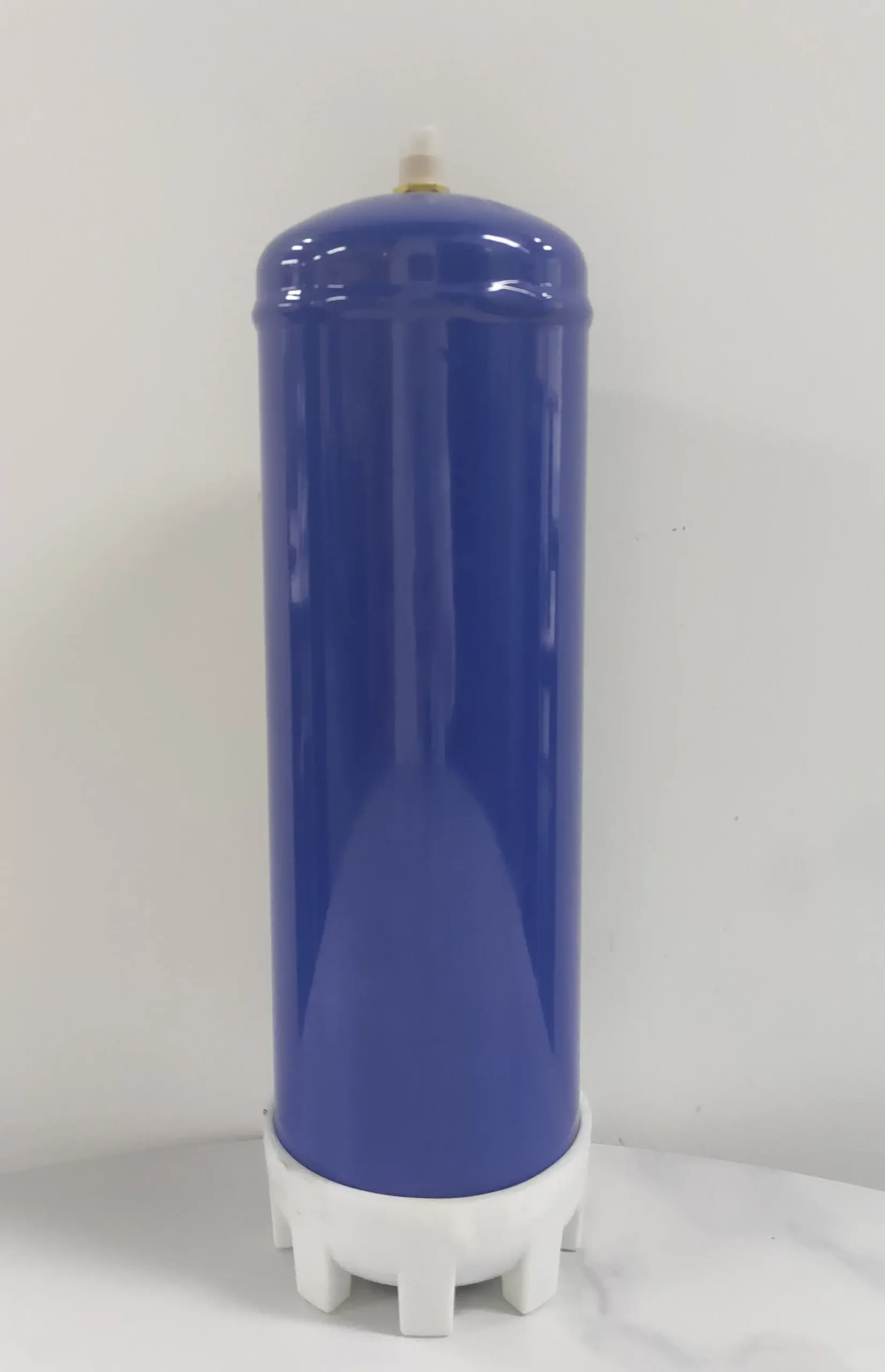
When purchasing whipped cream chargers, it's easy to focus solely on the purity of the nitrous oxide gas. But the physical quality of the steel canister or cylinder is just as critical for safety and performance. This is a topic I'm passionate about because, as a factory owner, I oversee the entire production process. Cutting corners on materials to offer a lower price is a dangerous game that reputable manufacturers refuse to play.
A high-quality canister is essential for several reasons:
- Safety: These chargers are under immense pressure. A weak or poorly constructed canister could rupture, posing a serious safety risk. We use high-grade, recyclable steel and perform rigorous pressure tests on every batch to prevent this. A reliable factory with 7 production lines will always prioritize safety standards.
- Purity: A cheaply made canister can have an internal coating that flakes off or reacts with the N2O, contaminating the gas. This can introduce an industrial, metallic taste into your whipped cream, defeating the purpose of using food-grade gas.
- Reliability: The cap and seal of the charger must be perfect. A faulty seal can cause the gas to leak out slowly over time, meaning a cartridge from a bad batch might be half-empty by the time you need to use it. This is a common complaint with low-quality brands and a major source of frustration for businesses.
When you're sourcing products, especially from overseas, it's important to use a supplier who can speak to their manufacturing process. Ask about the steel they use, their quality control checks, and how they prevent contamination. The integrity of the container is the first line of defense in ensuring a safe and high-quality product.

How Should You Properly Clean and Maintain Your Whipped Cream Dispenser?
A cream charger is only one half of the system; the whipped cream dispenser is the other. Proper maintenance of your dispenser is crucial for hygiene, longevity, and performance. A dirty dispenser can harbor bacteria and clog, rendering it useless. Taking a few minutes to clean it properly after use will save you headaches down the line.
Here’s a simple cleaning routine:
- Release All Pressure: Before you do anything, make sure the dispenser is completely empty of cream and gas. Hold it upside down and press the lever until no more cream or gas comes out.
- Unscrew the Top: Once depressurized, you can safely unscrew the head of the dispenser.
- Disassemble All Parts: Take apart all the small components: the gasket (the rubber ring), the valve, and the decorative nozzle tip. Most dispensers come with a small brush specifically for cleaning these parts.
- Wash Thoroughly: Wash all components and the canister itself with warm, soapy water. Use the small brush to scrub the inside of the valve and nozzle to remove any cream residue. Rinse everything thoroughly.
- Dry Completely: Allow all parts to air dry completely before reassembling. Trapped moisture can become a breeding ground for bacteria.
- Store Properly: Store the disassembled dispenser or reassemble it loosely to allow for air circulation.
Never wash your dispenser head in the dishwasher unless the manufacturer explicitly states it is dishwasher-safe, as the high heat can damage the gaskets and internal mechanisms. Regular cleaning ensures every batch of whipped cream to top your creations is fresh and untainted.
What Does the Future Hold for N2O Tanks in the Culinary World?
The future for cream chargers and N2O tanks in the culinary arts is incredibly bright. We are moving far beyond a simple dollop of whipped cream. The trend is toward larger, more efficient gas solutions and more innovative applications. As a manufacturer, I see a clear demand for bigger tank sizes, like our popular 1300g Hot Selling Professional Whipped Cream Charger, because they align with the goals of modern, high-volume kitchens: efficiency, cost reduction, and sustainability (by reducing the waste from hundreds of small steel cartridges).
The creative applications are also expanding. The technique of rapid infusion is no longer limited to high-end gastronomy. We see local bars creating signature cocktail infusions and cafes making unique flavored foams for their lattes. This technology empowers the modern chef and mixologist to experiment with texture and flavor in ways that were previously time-consuming or impossible.
Furthermore, there is a growing emphasis on sustainability. At my factory, we ensure our steel chargers are 100% recyclable. We're also exploring more efficient gas-release systems to minimize waste. The industry is evolving, and it's an exciting time. The humble cream charger, once just a tool for making a dessert topping, has become an indispensable device for culinary creativity. Its journey is a testament to how a simple, effective technology can be adapted and refined to meet the needs of a demanding and imaginative industry.
Key Takeaways to Remember:
- Choose the Right Size: Match your charger size (8g, 580g, or larger tanks) to your volume needs for maximum efficiency.
- Safety First: Always follow proper procedures. Ensure the dispenser head is screwed on securely, never overfill, and work in a well-ventilated area.
- Quality is Key: The purity of the food-grade nitrous oxide and the structural integrity of the steel canister are equally important. Partner with transparent, certified suppliers.
- Temperature Matters: Always use cold whipping cream and a cold dispenser for the best, most stable whipped cream.
- Cleanliness is Crucial: Properly clean and maintain your whipped cream dispenser after each use to ensure hygiene and performance.
- Think Beyond Cream: Don't be afraid to experiment with rapid infusion for cocktails, oils, and savory foams. A cream dispenser is a versatile tool for flavor innovation.

-
 Hangzhou Luire Technology Co., Ltd.
 -
 ROOM 2805 JINZUN TOWER OF ZUNBAO,HANGZHOU,CHINA
 -

-

-