Understanding the difference between N2O (Nitrous Oxide) cream chargers and CO2 (Carbon Dioxide) cartridges is crucial for anyone in the culinary or beverage industry. While both are small gas cartridges used with a dispenser, their applications and effects are vastly different. This guide dives deep into the world of N2O whip cream chargers and CO2 cartridges, explaining their uses, benefits, and key differences. Whether you're a chef creating delicate mousses, a barista perfecting cold brew coffee, or a business owner like Mark Thompson sourcing supplies, this article will provide the clarity you need to choose the right charger for your whipper and ensure high-quality, reliable results every time. As Allen, with years of experience running a factory producing these cylinders in China, I'll share insights valuable for procurement officers and culinary professionals alike.
N2O vs. CO2: What's the Fundamental Difference in Gas Chargers?
At first glance, N2O cream chargers and CO2 cartridges might seem similar. Both are small, pressurized metal cylinders designed to discharge gas into a dispenser. However, the type of gas they contain dictates their use. N2O, or Nitrous Oxide, is the key ingredient for creating whipped cream and other light, airy culinary foams. CO2, or Carbon Dioxide, is primarily used for carbonation – adding fizz to liquids like water and soda.
The core difference lies in how each gas interacts with substances, particularly fats and liquids. N2O is lipid-soluble, meaning it dissolves readily into the fat molecules found in cream. When the pressure is released (dispensing the cream), the N2O expands, creating tiny bubbles that result in a light, fluffy, and stable texture. CO2, on the other hand, is much more soluble in water than in fat. When dissolved in liquid under pressure, it forms carbonic acid, which gives carbonated water its characteristic sharp, tangy taste and fizziness.
Using the wrong charger can lead to undesirable results. Trying to whip cream with CO2 will result in a sour-tasting, carbonated mess rather than smooth, sweet whip cream. Conversely, using N2O to carbonate a beverage won't provide the lasting fizz or desired acidic bite that CO2 offers. Understanding this fundamental chemical difference is the first step in mastering the use of these culinary tools.
How Do N2O Cream Chargers Create Perfect Whipped Cream?
The magic behind perfectly fluffy whip cream made with a cream dispenser lies in the properties of N2O gas. When you load an N2O cream charger into a whipping siphon containing heavy cream (and perhaps sweetener or flavour), the gas dissolves into the liquid cream under pressure, specifically binding with the fat globules. This process happens relatively quickly due to N2O's affinity for lipids.
Once the charger has released its gas and the dispenser is shaken, the N2O becomes evenly distributed throughout the cream. The real transformation occurs when you pull the trigger of the dispenser. The sudden drop in pressure causes the dissolved N2O gas to expand rapidly, creating millions of tiny bubbles trapped within the fat structure of the cream. This aeration process is what gives whipped cream its characteristic light, airy, and creamy texture, significantly increasing its volume (often up to 1.5 times or more compared to hand whipping).
Using an N2O whipped cream charger is far more efficient and consistent than traditional whipping methods. It produces a finer, more stable texture that holds its shape longer. The process is quick, requires minimal effort, and ensures that the cream remains chilled within the steel dispenser. For any professional kitchen or even home use, N2O chargers offer a superior way to produce high-quality whip cream on demand.
Beyond Whipped Cream: What Are Other Culinary Applications for N2O Chargers?
While most commonly associated with whip cream, the utility of N2O cream chargers extends far beyond this single application. The same principle of using N2O to create light, airy textures can be applied to a wide range of culinary creations, particularly in the realm of molecular gastronomy. Chefs use N2O chargers and dispensers to craft delicate mousses, both sweet (like chocolate mousse) and savory.
Another popular application is creating espumas, which are essentially savory foams. Imagine a light, intense flavour foam of beet, asparagus, or parmesan served atop a dish – this is often achieved using an N2O whipper. The N2O aerates the puréed ingredient, resulting in a unique texture that enhances the dining experience. Furthermore, N2O chargers can be used for rapid infusion. By pressurizing ingredients like herbs, spices, or fruit in a liquid (like alcohol or oil) within a dispenser using N2O, the gas forces the flavour into the liquid much faster than traditional methods. This technique is popular for creating custom cocktail infusions or flavored oils quickly.
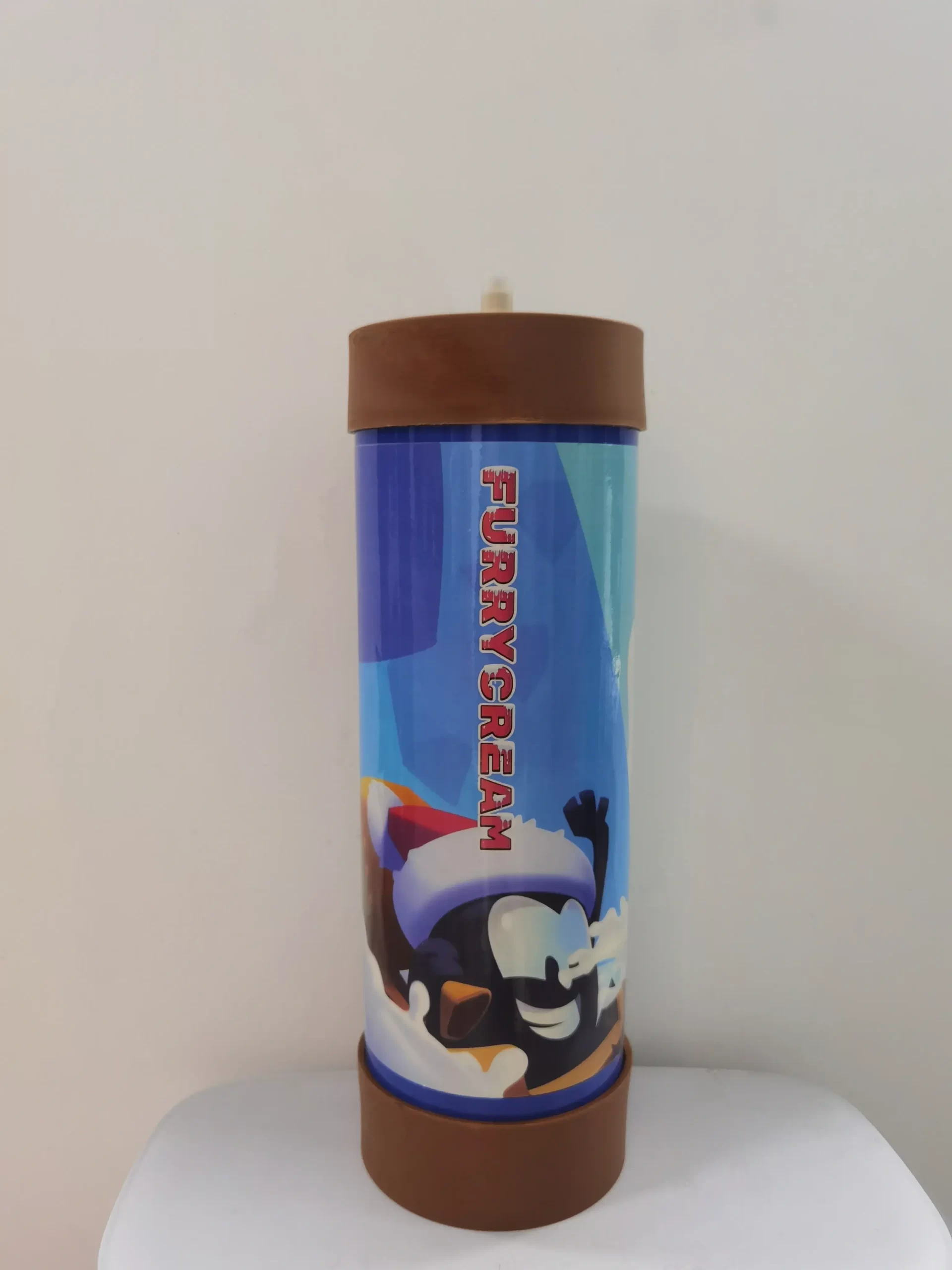
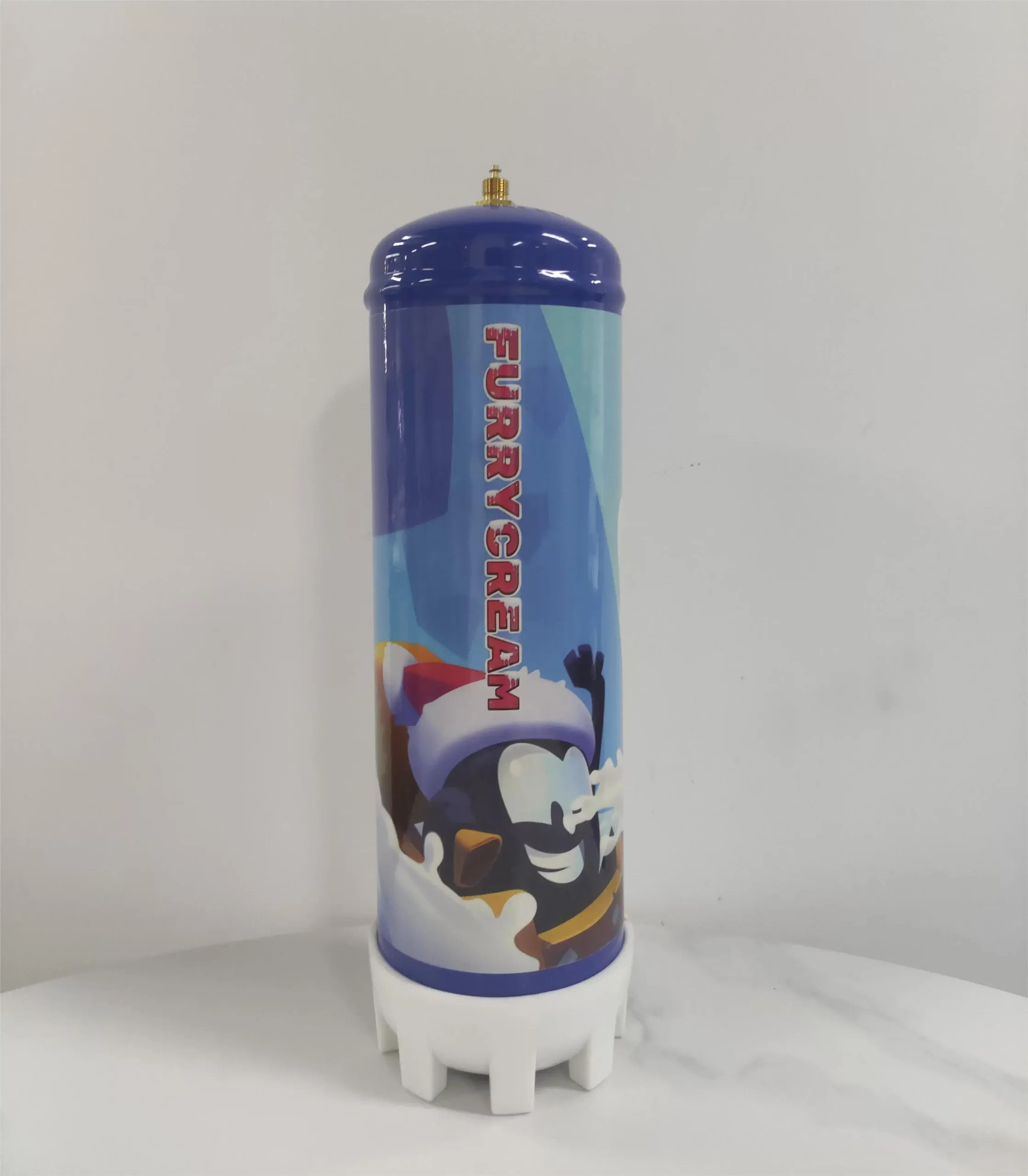
These diverse applications demonstrate the versatility of the N2O cream charger. It's not just about dessert; it's a tool that allows for innovation in texture and flavour across various dishes and beverages. Exploring these uses can open up new creative avenues for chefs and mixologists. We offer various chargers suitable for these techniques, like our popular FURRYCREAM 730g Whipped Cream Charge Best Selling High Purity Gas.
Why is Food-Grade N2O Gas So Important in Cream Dispensers?
When using N2O for culinary purposes, ensuring the gas is food-grade is paramount for safety and quality. Food-grade N2O is manufactured, purified, and tested to meet strict standards, guaranteeing it's free from industrial contaminants, oils, or unpleasant odors that could compromise the taste and safety of food products. Non-food-grade or industrial N2O might contain impurities that are harmful if ingested and can impart undesirable flavors or smells to delicate preparations like whip cream or mousses.
Using food-grade N2O ensures that the final product – whether it's whip cream, an espuma, or an infused cocktail – maintains its intended flavour profile and is safe for consumption. Reputable manufacturers, like us at Furrycream, adhere to these stringent quality controls and provide certifications to prove compliance. For buyers like Mark Thompson, verifying that a supplier provides genuinely food-grade N2O chargers with proper documentation is a critical step in the procurement process.
Compromising on gas quality can damage a business's reputation and potentially endanger customers. Always look for chargers explicitly labeled as food-grade and source them from reliable suppliers who prioritize safety and quality standards. This ensures the integrity of your culinary creations and the well-being of those who enjoy them.
Sourcing Reliable N2O Cream Chargers: What Should Buyers Like Mark Look For?
For business owners and procurement officers like Mark Thompson, sourcing N2O cream chargers involves more than just finding the lowest price. Reliability, quality, and smooth logistics are key concerns. Mark's pain points – communication issues, shipment delays, and certificate fraud – are common challenges when dealing with international suppliers. As a factory owner exporting globally (USA, Europe, Australia), I understand these concerns deeply.
Here’s what discerning buyers should prioritize:
- Verified Quality & Certifications: Insist on seeing valid food-grade certifications (e.g., HACCP, ISO). Be wary of suppliers hesitant to provide documentation or whose certificates seem dubious. Reputable factories welcome audits and transparency. Our Factory Bulk High Volume 2000g Cream Charger Cylinder 3.3L with OEM Service highlights our commitment to quality and large-scale, certified production.
- Manufacturing Capability: A supplier with robust production lines (we have 7) is more likely to handle bulk orders efficiently and meet deadlines, minimizing the risk of shipment delays impacting peak seasons. Ask about production capacity and lead times.
- Communication & Responsiveness: Clear, efficient communication is vital. Look for suppliers with experienced sales teams who understand international trade, logistics, and your specific needs. Language barriers or slow responses are red flags.
- Logistics Expertise: Does the supplier have experience shipping to your country (e.g., USA)? Are they familiar with customs regulations and reliable shipping lines? Smooth logistics prevent costly delays.
- Payment Security: Ensure secure and transparent payment methods are available. Standard international trade practices should be followed.
- Track Record & References: Look for suppliers with a proven history of exporting to your region. Ask for references or check online reviews and B2B platforms. Attending exhibitions is a great way to meet suppliers face-to-face and assess their professionalism.
Addressing these points proactively helps mitigate risks and build a strong, reliable partnership with a cream charger supplier. It’s about finding a balance between competitive pricing and assured quality and service.
Exploring N2O Charger Sizes: From 580g to 3.3L Tanks - What Fits Your Needs?
N2O cream chargers are not one-size-fits-all. They come in various capacities to suit different levels of demand, from small cafes to large-scale catering operations. Understanding the options helps businesses optimize efficiency and cost.
- Standard 8g Chargers: These are the small, traditional cartridges, typically used one at a time per pint-sized cream dispenser. Ideal for low-volume use or home kitchens.
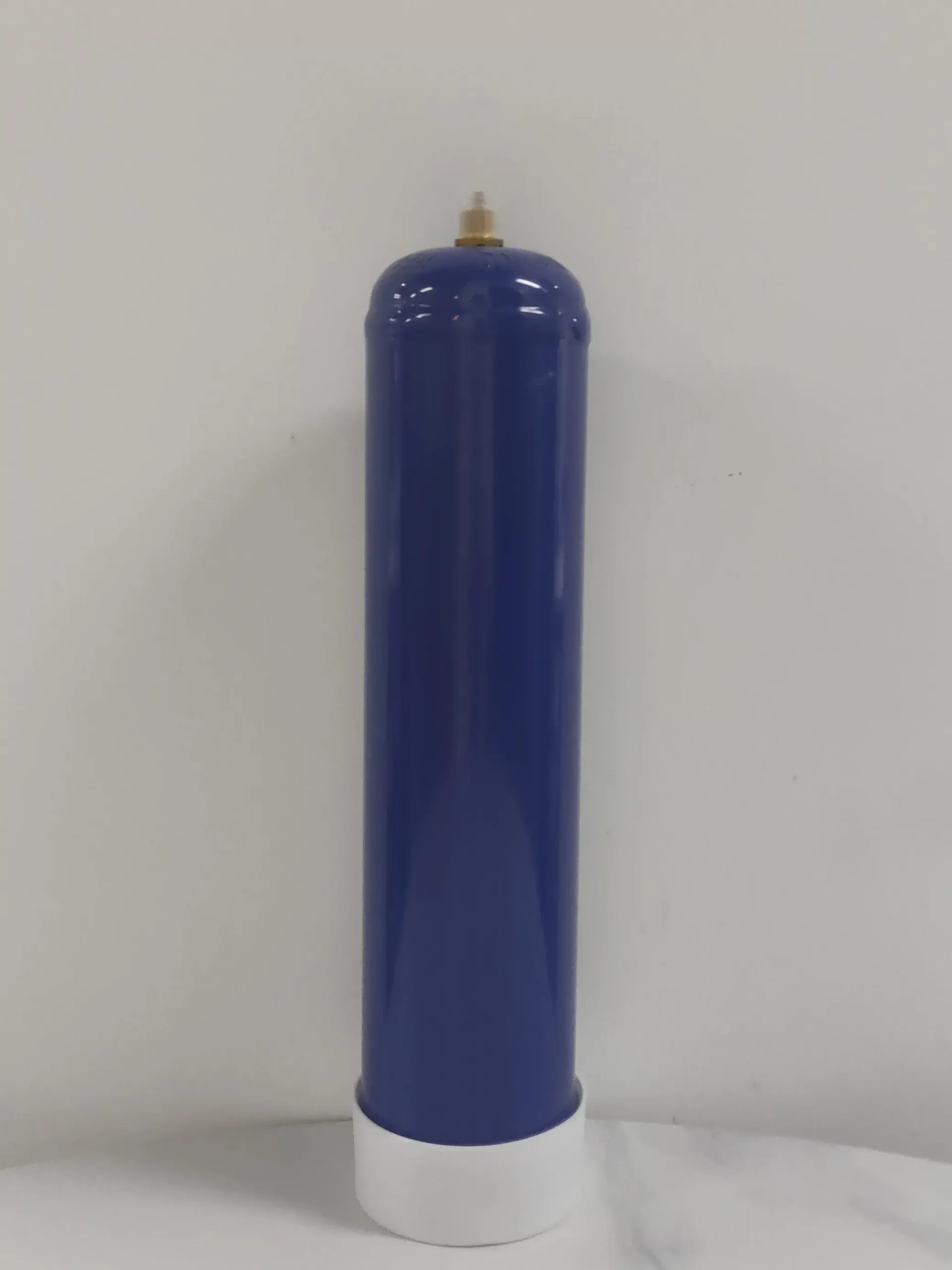
- Larger Tanks (e.g., 580g, 615g, 730g): These represent a significant step up. A single Furrycream 0.95L Whipped Cream Chargers High Purity (580g) canister contains the equivalent of roughly 70-80 standard 8g chargers. These larger chargers connect to the dispenser via a pressure regulator and hose system. They offer convenience (less frequent changing), reduced waste (fewer empty steel cartridges), and often better cost-effectiveness per gram of N2O for medium-volume users like restaurants and cafes.
- Bulk Cylinders (e.g., 1300g/2.2L, 2000g/3.3L): These are the largest format, designed for high-volume environments like large restaurants, catering companies, or food manufacturers. Our FURRYCREAM Max Tank 2000g/3.3L Cream Charger High Quality Fast Delivery is an example. These tanks offer the best value per gram of N2O and significantly streamline workflow by minimizing charger changes. They require the appropriate regulator setup but are the most efficient solution for heavy users.
Choosing the right size depends on your consumption rate. Low volume might stick with 8g. Moderate users often find the 580g-730g tanks offer a good balance. High-volume operations benefit most from the larger 1300g or 2000g cylinder options. Consider your usage patterns, storage space, and initial setup investment when deciding.
CO2 Cartridges Explained: What Are Their Main Applications?
While N2O rules the world of whip cream and foams, CO2 cartridges are the champions of carbonation. Their primary function is to dissolve Carbon Dioxide (CO2) gas into liquids, creating fizz and a distinct tangy taste. The most common application is making homemade soda or sparkling water using a soda siphon or a dedicated carbonation machine.
CO2 cartridges are also widely used in beverage dispensing systems, particularly for beer kegs. The CO2 pressure pushes the beer out of the keg and helps maintain the beer's natural carbonation level. Smaller CO2 cartridges are sometimes used in portable mini-keg dispensers for home use. Beyond beverages, CO2 cartridges have other technical applications, such as inflating bicycle tires or powering certain types of air guns, although these are non-culinary uses.
In the kitchen or bar, if you want to carbonate water, juice, or create fizzy cocktails, a CO2 cartridge and the appropriate dispenser (like a soda siphon) are the tools you need. The CO2 dissolves in the liquid under pressure, and when the pressure is released, it forms bubbles, giving the beverage its effervescence. Remember, CO2 creates carbonic acid in water, contributing to the sharp taste associated with carbonated drinks.
Can You Use CO2 Cartridges in a Cream Whipper for Whipping Cream?
This is a common question, and the definitive answer is no, you should not use CO2 cartridges to whip cream. While a CO2 cartridge might physically fit into some cream dispenser models designed for 8g chargers, the chemical outcome is entirely undesirable for whip cream.
As explained earlier, CO2 is highly soluble in water but not very soluble in fat. When introduced into cream (which contains both fat and water) under pressure using a CO2 charger, the CO2 will primarily dissolve in the water content, forming carbonic acid. Instead of light, fluffy whip cream, you will get a dense, possibly curdled mixture that tastes unpleasantly sour or metallic due to the carbonic acid. The texture will be completely wrong, lacking the smooth, airy quality achieved with N2O.
Using CO2 for whip cream essentially ruins the cream and produces an inedible result. Stick to N2O (Nitrous Oxide cream chargers) for all your whipping siphon needs when dealing with cream, mousses, or espumas. Use CO2 cartridges exclusively for their intended purpose: carbonating beverages in a soda siphon or similar dispenser. Mixing these applications leads to wasted ingredients and disappointing results.
Safety First: How to Handle and Dispose of N2O and CO2 Chargers Safely?
Both N2O cream chargers and CO2 cartridges are pressurized containers and must be handled with care. While generally safe when used correctly with the appropriate dispenser, improper handling can pose risks. Always follow the manufacturer's instructions for your specific whipper or siphon. Never attempt to pierce a charger without the correct equipment, as the rapid release of pressurized gas can be dangerous.
Store chargers in a cool, dry place away from direct sunlight or heat sources, as high temperatures can increase pressure inside the cylinder. Keep them out of reach of children. When inserting a charger into a dispenser, ensure it's done correctly and the dispenser head is screwed on tightly before discharging the gas. Never point a dispenser or a loose charger towards anyone's face or body. With larger tanks (580g+), ensure the regulator and hose are correctly attached and leak-free before use.
Disposal is also important. Once a charger is empty, it is simply a piece of recyclable steel. However, ensure it is completely empty before disposal – discharging any residual gas into the dispenser first is a good practice. Do not attempt to refill single-use chargers. Empty chargers can typically be recycled with other steel items, but check your local recycling regulations, as some facilities may have specific rules for pressurized containers, even when empty. Properly handling and disposing of chargers ensures safety and environmental responsibility.
A Quick Technical Look: How Do These Gas Chargers Work Inside a Dispenser?
Understanding the basic mechanics of how chargers work within a dispenser can demystify the process. Both N2O and CO2 chargers are small steel cylinders containing pressurized gas (either N2O or CO2, typically in liquid form under pressure which turns to gas upon release). The top of the charger has a thin seal or cap.
When you place a charger into the holder of a cream dispenser or soda siphon and screw it onto the device, a hollow piercing pin inside the dispenser head breaks the seal of the charger. This allows the pressurized gas to escape from the charger and flow into the main bottle or canister of the dispenser. The gas then dissolves into the liquid contents (cream for N2O, water/beverage for CO2) held within the dispenser.
The dispenser itself is designed to withstand the pressure. When you pull the lever or trigger, a valve opens, allowing the pressurized contents (gas dissolved in liquid) to be forced out through the nozzle. For N2O and cream, this rapid depressurization causes the gas to expand, creating foam. For CO2 and water, it releases the carbonated liquid. The design ensures a controlled release of the gas and the product, making the process efficient and safe when used as intended.
Key Takeaways: N2O vs. CO2 Chargers
- N2O (Nitrous Oxide): Primarily for whipping cream, making mousses, espumas, and rapid infusions. It dissolves in fat, creating light, airy, stable textures. Use food-grade N2O in a cream dispenser or whipping siphon.
- CO2 (Carbon Dioxide): Used for carbonating beverages (soda, water, cocktails). It dissolves in water, creating carbonic acid for fizz and a tangy taste. Use CO2 cartridges in a soda siphon or carbonation device.
- Never Interchange: Do NOT use CO2 for whip cream (results in sour, poor texture) and do not expect N2O to effectively carbonate drinks.
- Safety: Handle pressurized chargers carefully, store properly, and follow dispenser instructions. Dispose of empty chargers responsibly according to local recycling guidelines.
- Quality Matters: Always choose food-grade N2O from reliable suppliers with verifiable certifications, especially for culinary applications.
- Size Options: N2O chargers come in various sizes (8g, 580g, 615g, 1300g, 2000g) to suit different volume needs. Choose based on consumption.
By understanding these differences and guidelines, you can confidently select and use the correct gas charger for your application, ensuring delicious results and safe operation.

-
 Hangzhou Luire Technology Co., Ltd.
 -
 ROOM 2805 JINZUN TOWER OF ZUNBAO,HANGZHOU,CHINA
 -

-

-