As a factory owner in China with seven production lines dedicated to manufacturing cream chargers and N2O gas cylinders, I deal with logistics every single day. I have spent years helping business partners, like procurement officers in the USA and Europe, navigate the complex world of international trade. One topic that often confuses my clients—smart people like Mark Thompson who just want to ensure a steady supply for their business—is the classification of our products. While we know them as essential tools to make fluffy whip cream, the logistics world views them differently. To a shipping company or a customs officer, a whipped cream charger is a hazardous item.
This distinction changes everything about how we export and how you import. It affects the packaging, the labeling, the cost, and the legal compliance required to move goods across borders. In this article, we will break down exactly why these culinary tools are considered hazardous materials, how to handle a shipment safely, and the regulations you need to know to avoid fines and delays. Whether you are a wholesaler or a distributor, understanding these rules is vital for your supply chain security.
Why Are Whipped Cream Chargers Considered Hazardous Materials During Shipment?
It might seem strange that a small steel bulb used to garnish a dessert is labeled hazardous. However, strictly speaking, cream chargers are filled with nitrous oxide gas under high pressure. In the world of logistics, the content isn't just a culinary ingredient; it is a Class 2.2 Non-Flammable Gas.
When we prepare a shipment of cream chargers, we are shipping potential energy. If a cylinder or cartridge is pierced, crushed, or exposed to extreme heat, the pressurized gas can expand rapidly. While nitrous oxide itself is not flammable, it is an oxidizer. This means that if a fire were to start in a shipping container, the n2o would feed the fire, making it burn hotter and faster. Because of this physics, cream chargers are considered hazardous materials by the Department of Transportation (DOT) and international shipping bodies.
For a buyer, this means you cannot simply throw a box of whip cream chargers into standard mail. Special care must be taken. The hazardous nature dictates the freight methods we use. We cannot ship them via standard air mail without strict exemptions because the low pressure at high altitudes could theoretically affect the canister. Understanding that a whipped cream charger is a hazardous good is the first step in planning your logistics budget and timeline.
If you are importing into the United States, the bible of logistics is the Code of Federal Regulations (CFR). Specifically, Title 49 of the CFR covers transportation. As an exporter, my team and I must be intimately familiar with these rules to ensure your shipment clears customs without issue.
Federal regulations dictate everything from the thickness of the steel in the cylinder to the sticker on the cardboard box. For hazardous materials like cream chargers, we must look at specific CFR sections. These rules state that a whipped cream charger must be declared properly. If we fail to comply, the shipment can be seized, and you, the importer, could face a significant fine.
The CFR outlines the requirements for the outer packaging, inner receptacles, and the labeling. For instance, the "Non-Flammable Gas" green diamond label is mandatory. Additionally, the UN number (UN1070 for Nitrous Oxide) must be visible. Navigating these federal regulations can be daunting, but as your manufacturing partner, we handle the heavy lifting of compliance on the export side. We ensure that every whip cream charger that leaves our factory is compliant with 49 CFR so that your business stays safe.

How Does Proper Packaging Mitigate Risks for Hazardous Cream Chargers?
Safety in shipment starts with packaging. You cannot ship hazardous items in flimsy boxes. The goal of packaging is to ensure that the whip cream charger remains intact and that the valve or seal is never accidentally activated.
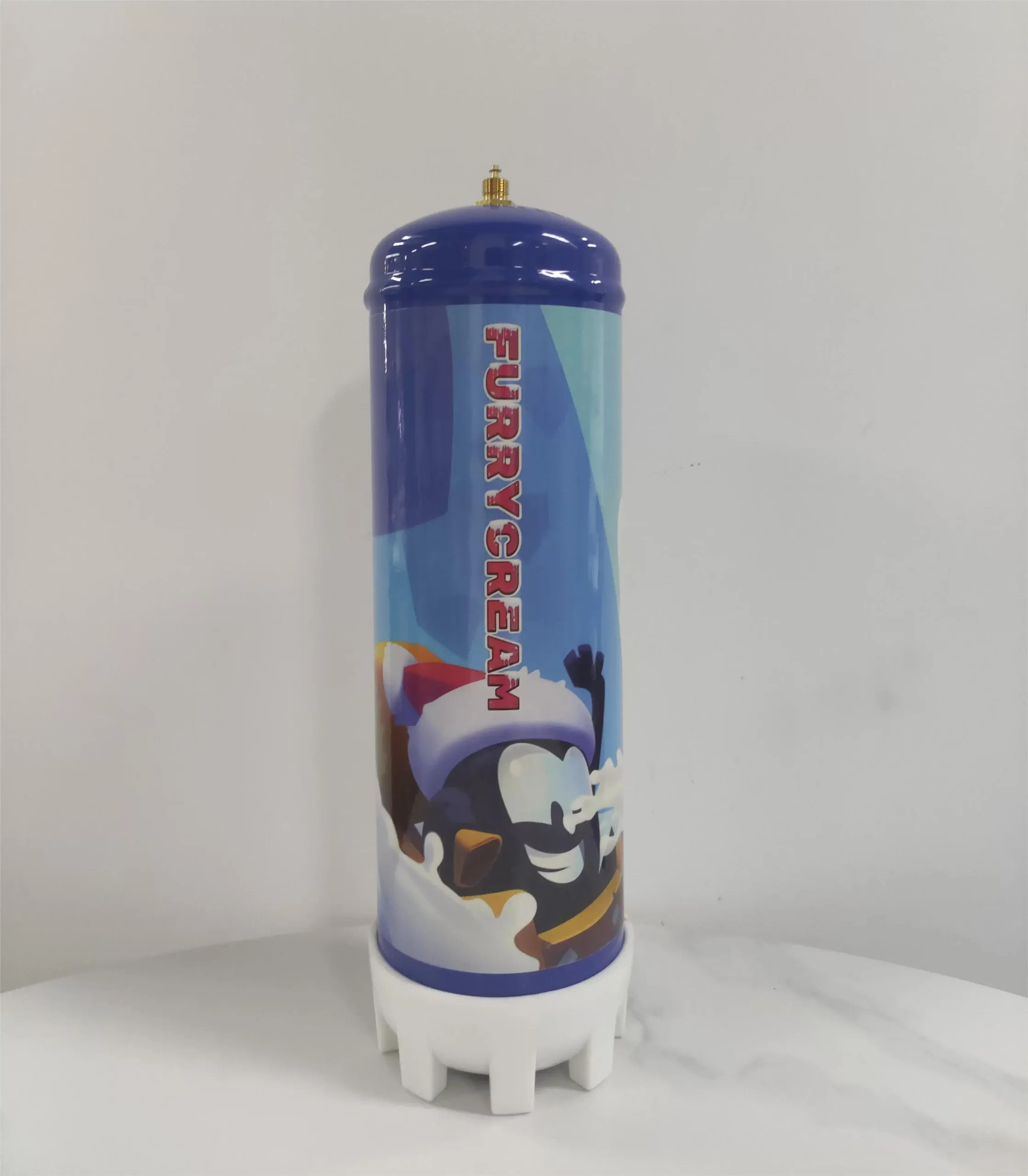
When we package cream chargers for export, we use high-strength corrugated cardboard. Inside the box, the chargers are often packed in smaller groupings to prevent movement. For larger tanks, like our Factory Bulk High Volume 2000g Cream Charger Cylinder 3.3L with OEM Service, we use specialized Styrofoam or honeycomb cardboard inserts. These inserts protect the valve and the body of the cylinder.
Proper packaging also involves the "overpack" concept. If we put multiple boxes of cream chargers onto a pallet, that pallet must also be labeled as containing hazardous materials. We shrink-wrap the pallet tightly to ensure no box can fall and compress or puncture another. This meticulous attention to packaging prevents leakage and ensures that the whip cream gas stays inside the container until it reaches your kitchen.
The Role of the EPA and Environmental Compliance in N2O Import
Many buyers are surprised to learn that the EPA (Environmental Protection Agency) has a role in the import of whip cream chargers. While nitrous oxide is a fantastic propellant for whip cream, it is also a greenhouse gas. The EPA monitors the import of bulk greenhouse gases.
For large importers of hazardous gases, there may be reporting requirements under the EPA's Greenhouse Gas Reporting Program (GHGRP), specifically Subpart OO, which covers suppliers of industrial greenhouse gases. While small cartridge imports for culinary use often fall under exemptions or lower thresholds, high-volume distributors need to be aware of this compliance aspect.
Failing to report to the EPA when required can lead to penalties. As a responsible factory, we help our clients understand if their volume of cream chargers triggers these requirements. We provide the necessary data regarding the net weight of nitrous oxide in every shipment, ensuring you have the numbers needed to comply with any EPA regulations. This transparency is part of our service to ensure your whip cream business remains sustainable and legal.
Choosing the Right Carrier: Can You Ship N2O via USPS or FedEx?
Choosing a carrier is a critical decision. A common question I get is, "Can I just send this via USPS?" The answer is generally no. The United States Postal Service (USPS) has very strict restrictions on hazardous materials, especially pressurized gases. In most cases, they will not accept a shipment of cream chargers.
FedEx and UPS, on the other hand, will accept them, but they must be shipped via Ground service. Shipping hazardous pressurized gas by air is extremely expensive and requires dangerous goods contracts, specialized packaging, and IATA certification. It is rarely cost-effective for whip cream chargers.
Therefore, for B2B export and import, we rely on ocean freight and ground trucking. When we ship a container of Widely Selling 2000g Cream Charger Whip Tanks 3.3L Wholesale Customized Brand, it travels by sea. Once it arrives in the US, a carrier licensed to handle hazmat loads takes it to your warehouse. You must ensure your local carrier knows they are transporting hazardous materials. Mis-declaring the cargo to save money on shipping is illegal and dangerous.
What Are the Best Practices for Handling a High-Volume Export of Whip Cream Chargers?
If you are scaling up your business, handling a high-volume shipment requires a system. Here are the best practices we recommend to our partners:
- Documentation: Ensure every shipment has a Material Safety Data Sheet (MSDS). This document tells the carrier and customs exactly what the hazardous substance is (Nitrous Oxide) and how to handle emergencies.
- Palletization: Never loose-load boxes. Palletizing ensures stability.
- Labeling: Double-check that the "UN1070" and "Non-Flammable Gas" labels are visible on all four sides of the pallet.
- Partner Vetting: Only work with freight forwarders who have experience with hazardous cargo.
- Insurance: Always insure the shipment. Hazardous materials are at higher risk of inspection and delay; insurance protects your financial investment.
By following these best practices, you ensure a smooth flow of product. Whether you are ordering thousands of small cream chargers or pallets of large tanks, discipline in logistics is key.
Understanding the Whipped Cream Charger Cartridge and Canister Safety Mechanisms
To appreciate why these items are safe when handled correctly, you need to understand the engineering. A whipped cream charger is not just a metal bottle. It is a pressure vessel.
Small cream chargers (8g) are sealed with a metal cap that is pierced by the pin in the whip cream dispenser. Once pierced, the gas releases. Large tanks, like our Factory Direct 1300g Whipped Cream Charger at Best Wholesale Price, use a more complex valve system.
These tanks often feature a pressure release device or a burst disk. If the cylinder gets too hot and the pressure rises dangerously high, this safety mechanism will trip, releasing the gas safely rather than allowing the canister to explode. This engineering is crucial for hazardous classification. It means the device is designed to fail safely. When you import our products, you are importing technology designed to mitigate the risks associated with hazardous materials.

Addressing Safety Precautions and the Risks of Nitrous Oxide Misuse
As business owners, we must address the elephant in the room: nitrous oxide misuse. While we sell these products to create delicious whip cream, some individuals abuse them as laughing gas. This misuse poses health risks and regulatory challenges.
From a shipment and compliance perspective, proper labeling is your first line of defense. Our packaging clearly states that the product is for culinary use only. We recommend that our distributors refuse to sell to anyone they suspect of misuse.
Safety precautions for legitimate users include:
- Never inhaling the gas.
- Always using a designated dispenser.
- Keeping the cylinder away from heat.
- Storing in a secure location to prevent theft.
By promoting safe use and framing the product strictly as a food-grade culinary tool, we protect the industry. Nitrous oxide is a vital tool for chefs; preventing nitrous oxide misuse ensures that legitimate businesses can continue to trade without excessive restriction.
How Do We Ensure Every Batch of Whip Cream Chargers Meets International Standards?
Quality control is the antidote to risk. In my factory, we don't just guess; we test. Every batch of cream chargers undergoes rigorous inspection. We weigh the cylinders to ensure they are not overfilled, which could be dangerous. We test the steel for strength.
We adhere to international standards such as ISO (International Organization for Standardization). Must be tested is our mantra. We simulate rough shipment conditions to ensure our packaging holds up. We check for leakage using sensitive equipment.
When you buy a whipped cream charger from us, you are buying a product that has passed strict compliance checks. This reliability is essential for you as an importer. If customs inspects your hazardous cargo, our consistent adherence to standards ensures the shipment passes inspection and reaches your warehouse on time.

What Must U.S. Importers Know About Customs and Hazardous Materials?
Importing into the U.S. involves several agencies. You have Customs and Border Protection (CBP), the Department of Transportation, and potentially the Food and Drug Administration (FDA) since the gas is a food additive.
Key things importers of hazardous cream chargers must know:
- HTS Codes: You must use the correct Harmonized Tariff Schedule code for nitrous oxide.
- FDA Registration: As a foreign facility, my factory is registered with the FDA. You, as the importer, must file Prior Notice with the FDA before the food-grade gas arrives.
- Hazmat Declaration: Your customs broker must file a specific declaration for the hazardous materials.
- State Regulations: Be aware of local regulations. Some states have specific rules about the sale of nitrous oxide cartridges.
While the Department of State rarely gets involved in culinary gas, keeping abreast of all federal and local regulations is vital. It sounds complex, but with the right factory partner and a capable customs broker, importing hazardous whip cream chargers is a smooth, routine process.
Key Takeaways for Safe Shipping
To summarize the essentials of shipping and exporting cream chargers:
- Hazard Recognition: Always treat cream chargers as hazardous materials (Class 2.2 gas). Never ship them as standard cargo.
- Regulation Adherence: Familiarize yourself with the Code of Federal Regulations (CFR) and DOT rules to avoid fines.
- Packaging is Key: Use strong, compliant packaging that protects the valve and prevents the cylinder from being crushed.
- Carrier Selection: Use ocean freight for bulk import and ground freight for domestic distribution. Avoid air shipping.
- Environmental Duty: Be aware of EPA reporting requirements for high volumes of nitrous oxide.
- Safety First: Promote safe use and food safety to protect your business reputation and public health.
By respecting the hazardous nature of the product and following these guidelines, you can build a profitable, compliant, and safe business distributing the world's best whip cream solutions.

-
 Hangzhou Luire Technology Co., Ltd.
 -
 ROOM 2805 JINZUN TOWER OF ZUNBAO,HANGZHOU,CHINA
 -

-

-