Welcome! This guide dives deep into the world of whip cream chargers and how to use them effectively with your cream dispenser. If you've ever wondered how to achieve that perfect, fluffy whipped cream for your desserts and beverages, you're in the right place. We're here to help you learn how to use these tools to elevate your culinary creations, whether you're a home cook or a professional chef.
This article is worth reading because we'll cover everything you need to know about cream chargers. We'll start from the basics of how cream chargers work with a dispenser, progressing to a detailed step-by-step guide to using them. Our goal is to ensure you can make whipped cream that's consistently delicious and has that perfect whipped consistency. We'll also explore safety, troubleshooting, and how to choose the best cream and equipment. As a manufacturer with seven production lines in China, I, Allen, have seen the ins and outs of producing high-quality cream chargers, and I want to share my insights. This guide to using cream chargers aims to help you master the art of using these handy tools to create beautiful whipped cream quickly and effortlessly. You'll discover how cream chargers ensure your cream transforms into a delightful topping or ingredient.
What Exactly Are Whipped Cream Chargers and How Do They Work? (Understanding the Basics of Your Dispenser)
Whipped cream chargers, often called N2O chargers or "whippets," are small, pressurized steel cylinders. What's inside? They are filled with food-grade nitrous oxide (N2O) gas. The primary purpose of these cream chargers is to make whipped cream. When a cream charger is used with a cream dispenser (also known as a cream siphon or whipped cream maker), the nitrous oxide is released. This gas dissolves into the fatty liquid cream inside the dispenser.
The magic happens when you operate the dispenser. The nitrous oxide gas expands, aerating the cream and transforming it into voluminous, fluffy whipped cream almost instantly. This process is far quicker and often produces a more stable whipped cream than traditional whisking. The cream chargers are small steel cartridges designed for single use with a compatible whipped cream dispenser. Think of the cream charger as the power source that fuels your dispenser to create whipped cream. Understanding how these chargers work is the first step to mastering your whipped cream experience.
As a business owner like Mark Thompson, who values quality and efficiency, you'll appreciate how cream chargers provide a consistent result. The nitrous oxide used is specifically food-grade, ensuring it's safe for consumption and doesn't impart any unwanted flavors to your cream. The cream chargers have become an essential tool for anyone looking for a reliable way to make whipped cream.
Why Should You Use Cream Chargers for Your Whip Cream? The Key Benefits Explained.
The benefits of using cream chargers are numerous, especially for businesses in the food and beverage industry or even for the discerning home cook. Firstly, speed and efficiency are paramount. You can make whipped cream in seconds, a stark contrast to the minutes of manual or electric whisking. This is a huge advantage in busy commercial kitchens or when you need freshly whipped cream on demand. The use of cream chargers means your cream is always ready.
Secondly, cream chargers ensure consistency. Each time you use a cream charger with your dispenser, you get a predictable whipped cream texture – light, airy, and perfectly aerated. This consistency is crucial for maintaining quality in desserts, coffees, and other culinary applications. The homemade whipped cream made this way often has a superior mouthfeel. Another significant benefit is shelf life. When cream is whipped inside a sealed dispenser using nitrous oxide, the cream will stay fresh in the refrigerator for up to two weeks, far longer than hand-whipped cream. This reduces waste and means you can prepare a batch of whipped cream in advance.
Furthermore, the benefits of cream chargers extend to versatility. You can easily create flavoured whipped cream by adding syrups, extracts, or liqueurs to the liquid cream before charging it in the dispenser. This opens up a world of creative possibilities for both sweet and savory dishes. For procurement officers looking for cost-effective solutions, using a whipped cream dispenser and cream chargers can be more economical in the long run due to reduced spoilage and labor time compared to pre-made aerosol cream or manual methods. Many home cooks and professional chefs rely on this method for its reliability.
Are All Whip Cream Chargers the Same? Exploring Different Types of Whipped Cream Chargers Available.
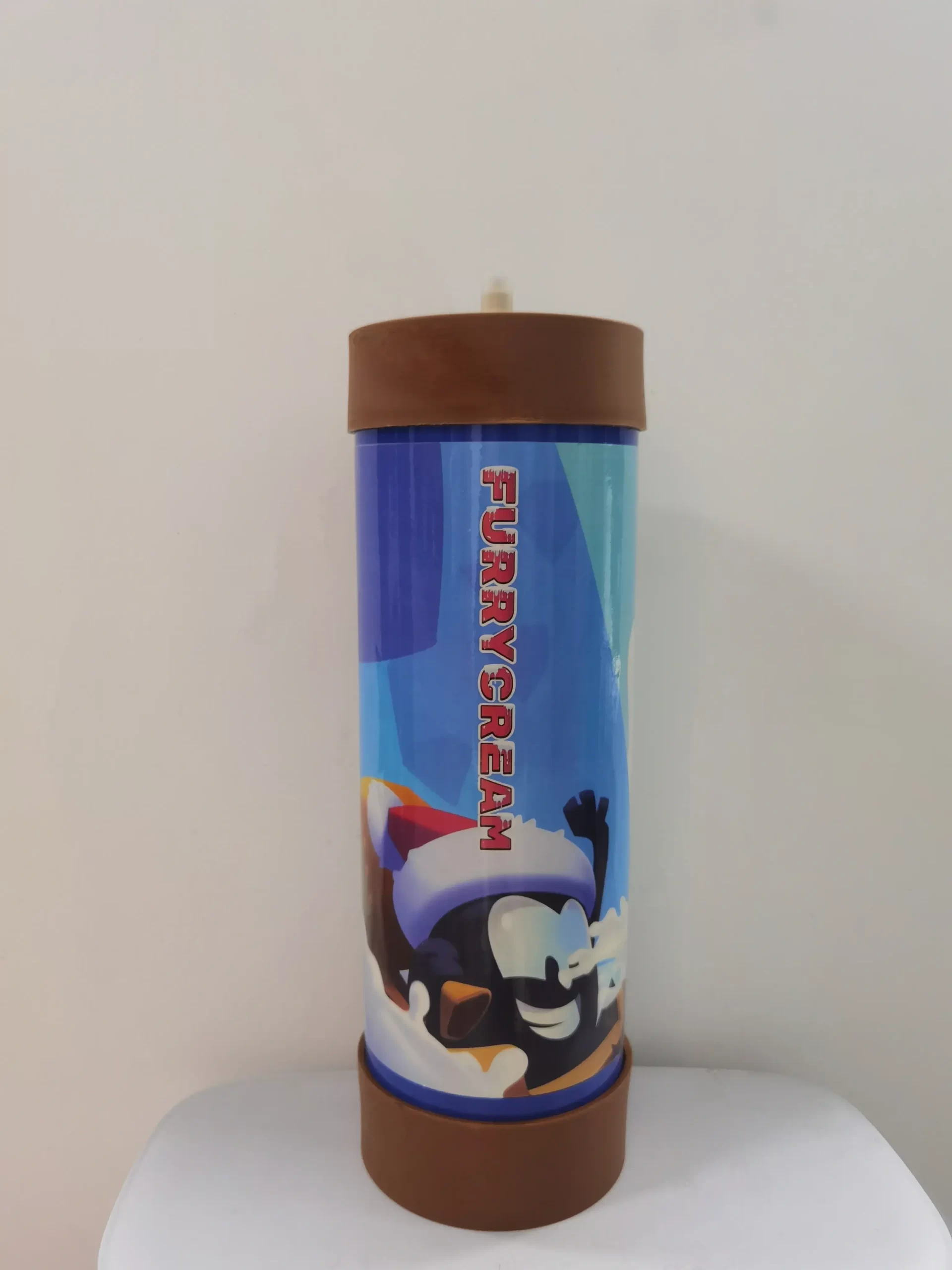
While the fundamental principle of how whip cream chargers work is the same (using nitrous oxide to aerate cream), not all cream chargers are created equal. There are several types of whipped cream chargers available, primarily differing in size and capacity, and sometimes in the brand's quality control. The most common size is the 8-gram cream charger, designed for single use in standard whipped cream dispensers. These are typically what people picture when they think of a cream charger.
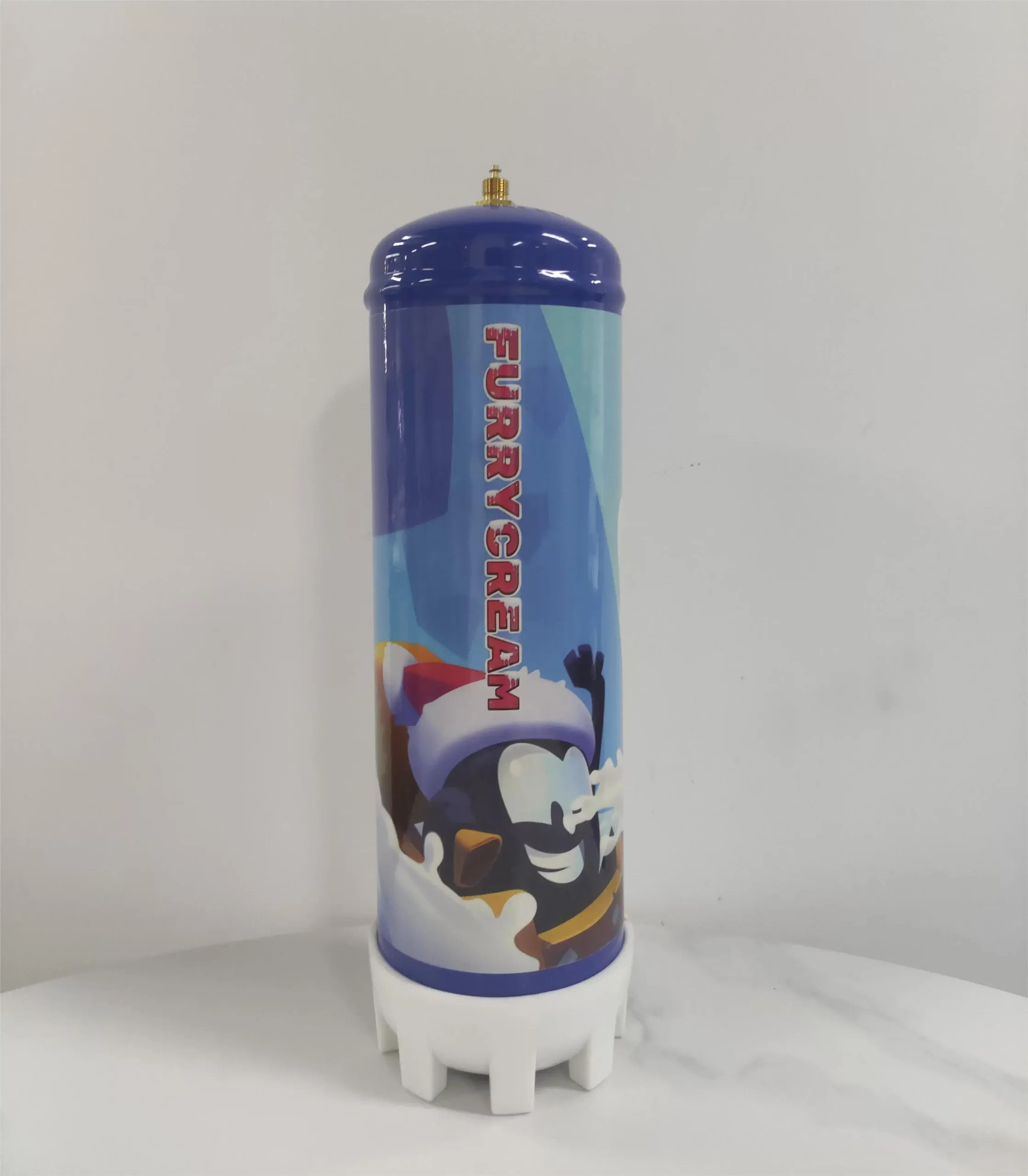
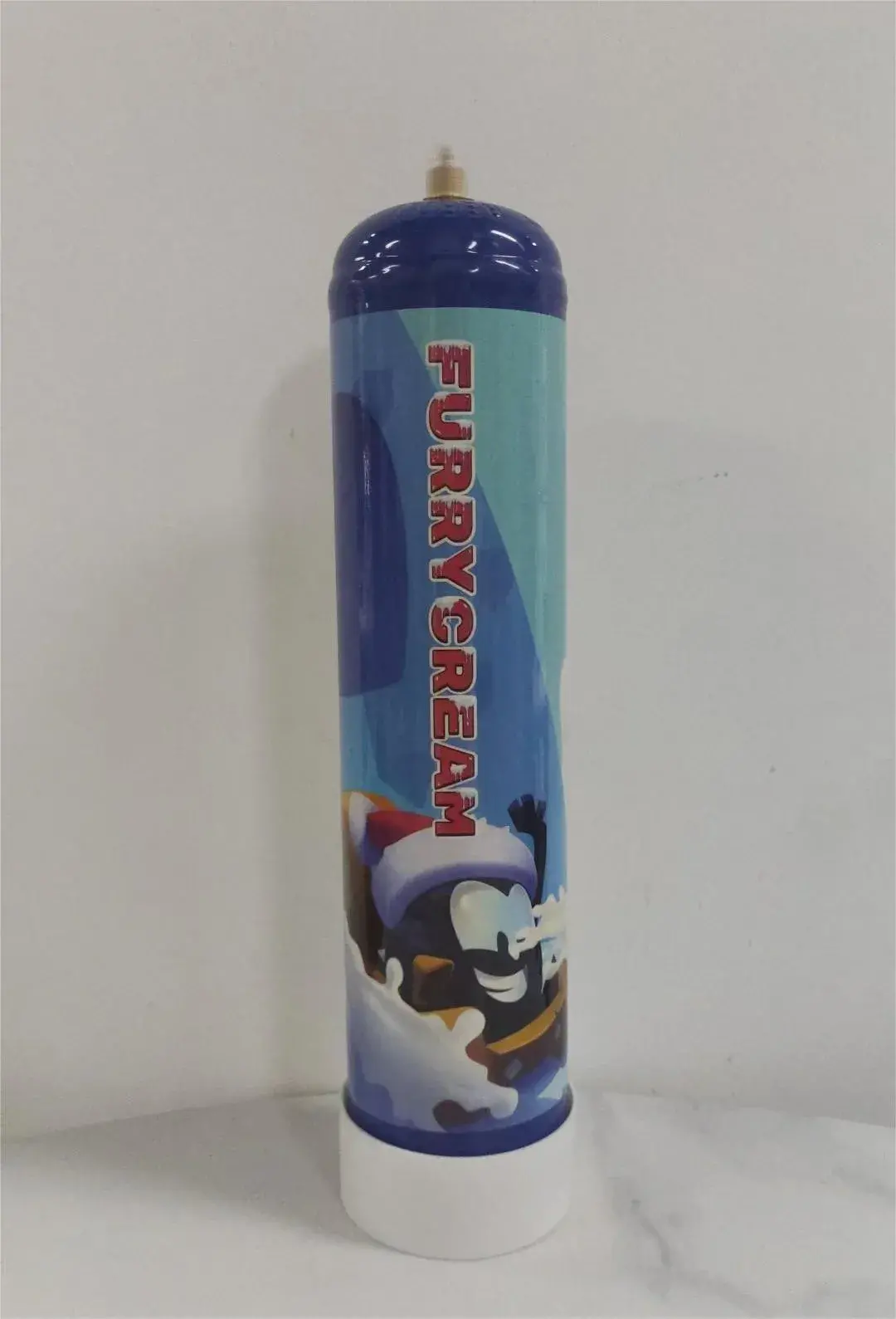
However, the market has evolved, and larger cream chargers have become popular, especially for commercial use. You can now find whip cream chargers in sizes like 580g, 615g, and even larger tanks like 1300g or 2000g (3.3L). These larger N2O tanks or cylinders are designed to be used with a pressure regulator and hose system, allowing for the preparation of much larger quantities of whipped cream without frequently changing small chargers. This is particularly beneficial for businesses that need to make whipped cream in bulk. For instance, exploring our popular 2000g cream charger whip tanks can offer a significant upgrade in efficiency for high-volume needs.
It's crucial to choose high-quality cream chargers. Reputable manufacturers ensure their chargers are made from recyclable steel and filled with pure, food-grade nitrous oxide. Lower quality cream chargers might contain impurities or oils that can affect the taste of your cream or even damage your dispenser. As someone who procures these items, Mark, you'd be looking for suppliers who can provide certifications for food-grade compliance and consistent quality. Our factory, for example, adheres to strict international safety standards for all our whip cream chargers.
Your Step-by-Step Guide to Using Cream Chargers for Perfect Whipped Cream.
Using cream chargers and a cream dispenser is a straightforward process. This step-by-step guide to using them will help you achieve perfect whipped cream every time. Follow these instructions carefully for the best whipped cream experience.
-
Prepare the Dispenser and Cream:
- Unscrew the head of the dispenser from the bottle.
- Pour your cold, liquid fresh cream into the dispenser bottle. Most dispensers have a maximum fill line – do not exceed this. For best results, use high-quality cream with at least 30-35% fat content. You can also add sweeteners or flavorings at this stage.
- Securely screw the head of the dispenser back onto the bottle, ensuring it's tight.
-
Insert the Cream Charger:
- Place one cream charger into the charger holder that came with your dispenser. Most standard dispensers use 8g N2O chargers.
- Screw the charger holder (with the cream charger inside, narrow end first) onto the inlet valve on the head of the whipped cream dispenser. You will hear a hissing sound as the nitrous oxide gas is released from the cream charger into the cream. Screw it in fully until all the gas is released.
-
Shake and Test:
- Once the gas is released, unscrew the empty charger holder and recycle the cream charger.
- Shake the dispenser vigorously for about 30 seconds to a minute (the exact time can vary depending on the cream and dispenser). This helps the nitrous oxide dissolve properly into the cream. Don't overshake, as this can make the whipped cream too stiff.
- To test, hold the dispenser upside down and gently press the lever to dispense the whipped cream. If it's too runny, shake the dispenser a few times more.
-
Serve and Store:
- Dispense your beautiful whipped cream onto desserts, drinks, or fruits.
- If you have leftover whipped cream, you can store the charged dispenser in the refrigerator. The cream will stay fresh for up to two weeks. Before each subsequent use, shake the dispenser a few times.
This beginner’s guide to using cream chargers should set you on the path to making perfect whipped cream. Remember, practice makes perfect, and soon you'll intuitively know how much to shake your dispenser for that perfect whipped consistency.
The Science Unveiled: How Do Cream Chargers Actually Make Whipped Cream So Fluffy?
The science behind whipped cream made with cream chargers is quite fascinating and relies on the properties of nitrous oxide (N2O). When you charge your cream dispenser with a cream charger, the N2O gas into the cream under pressure. Nitrous oxide is particularly well-suited for this task because it's highly soluble in fats (lipids), which are abundant in heavy cream.
Inside the pressurized dispenser, the N2O dissolves into the fat globules of the cream. When you press the lever of the dispenser to release the cream, the pressure drops rapidly. This sudden decrease in pressure causes the dissolved nitrous oxide to expand and come out of solution, forming tiny gas bubbles throughout the cream. These bubbles are what give whipped cream its light, airy, and voluminous texture. It's a physical process of aeration, not a chemical reaction. The gas into the cream creates a stable foam much quicker than mechanical whisking, which incorporates air.
The reason N2O is preferred over, say, carbon dioxide (CO2), is that CO2 is acidic and would curdle the cream or give it a sour taste. Nitrous oxide, on the other hand, is inert, tasteless, and odorless, ensuring it doesn't affect the flavor of your delicious whipped cream. It also has a slight sweetening effect, which can enhance the taste of the cream. This efficient process allows you to create whipped cream that is both delightful in texture and taste. The cream chargers effectively deliver this precise amount of gas needed.
Pro Tips: How Can I Achieve the Perfect Whipped Cream Texture Every Time with My Dispenser?
Achieving the perfect whipped cream texture consistently involves a few key considerations beyond just following the basic step-by-step guide. Here are some pro tips to help you achieve the perfect whipped result with your cream dispenser and cream chargers:
- Start with Cold Ingredients: Your cream and your dispenser (if possible) should be very cold. Cold cream whips up much better and holds its shape longer. Aim for a cream temperature of around 4°C (39°F).
- Use High-Fat Cream: The fat content in the cream is crucial. For the best light and fluffy whipped cream, use heavy cream or whipping cream with at least 30-35% milk fat. Higher fat content generally results in a more stable whipped cream.
- Don't Overfill the Dispenser: Adhere to the maximum fill line on your cream dispenser. Overfilling can prevent the cream from aerating properly and may result in a runny whipped cream. There needs to be enough space for the nitrous oxide gas to expand and mix with the cream.
- Shake Just Right: The amount of shaking is critical. After charging the dispenser with the cream charger, shake it vigorously. For a standard 0.5-liter dispenser, 5-10 vigorous shakes are often enough. If you under-shake, the cream will be too soft. If you over-shake, the cream can become too dense or even turn into butter. It's better to under-shake initially, test the consistency, and then shake the dispenser a few more times if needed.
- Proper Dispensing Technique: Always hold the dispenser completely upside down when dispensing the whipped cream. This ensures that only the whipped cream is dispensed, not the gas.
- Sweeteners and Flavorings: If adding sugar, use powdered sugar (icing sugar) as it dissolves more easily in cold cream than granulated sugar. Liquid sweeteners or flavor extracts should be added to the liquid cream before charging.
- Clean Your Dispenser Thoroughly: After each use, disassemble and clean your whipped cream dispenser thoroughly according to the manufacturer's instructions. Residue can clog the nozzle or affect the taste of future batches of whipped cream.
By following these tips, you'll be well on your way to making perfect whipped cream every time you use a whipped cream dispenser and cream chargers. Consistency in your whipped cream needs attention to these details.
Troubleshooting Common Issues: What if My Whipped Cream Isn’t Perfect?
Even with the best intentions, you might occasionally encounter issues with whipped cream when using cream chargers and a dispenser. Here’s how to troubleshoot some common problems to ensure your whipped cream isn’t a disappointment:
- Runny Whipped Cream:
- Cause: Not enough shaking, cream not cold enough, or low-fat cream used.
- Solution: Ensure your cream is very cold and has adequate fat content. After charging, if the cream is runny, shake the dispenser a few more times (vigorously) and test again. Be careful not to overshake.
- Overly Stiff or Buttery Whipped Cream:
- Cause: Too much shaking. The nitrous oxide has over-aerated the cream, causing the fat globules to clump together, similar to making butter.
- Solution: Unfortunately, once cream is over-whipped in a dispenser, it's hard to reverse. To prevent this, shake less next time. Start with fewer shakes, test, and add more if needed.
- Dispenser Not Releasing Cream or Only Gas Escapes:
- Cause: The dispenser might be clogged, not charged correctly, or held at the wrong angle. It could also be that you’re not using enough cream.
- Solution: Ensure the dispenser is charged with a cream charger. Hold the dispenser completely upside down when dispensing. If it’s clogged, you'll need to safely release any pressure (do not point it at anyone) and then clean the nozzle and head of the dispenser thoroughly. Check that you've added enough liquid cream to the dispenser.
- Cream Tastes Off or Metallic:
- Cause: Low-quality cream chargers containing impurities, or the dispenser might not be clean.
- Solution: Always use high-quality cream chargers from a reputable supplier like us, where we offer products such as high-purity 580g whipped cream chargers. Ensure your cream dispenser is made of food-grade materials and is cleaned meticulously after each use.
- Charger Doesn't Pierce or Gas Doesn't Release:
- Cause: The cream charger might be inserted incorrectly into the charger holder, the holder might not be screwed on tightly enough, or there could be an issue with the dispenser's piercing pin.
- Solution: Ensure the cream charger into the charger holder is correctly oriented (usually narrow end first). Screw the charger holder on quickly and tightly. If the problem persists, inspect the piercing pin for damage or blockage.
Addressing these issues with whipped cream promptly will improve your whipped cream experience. Remember, using quality cream chargers and maintaining your dispenser are key.
Safety First: How Do I Use and Store Cream Chargers Safely?
Safety is paramount when dealing with pressurized gas products like whip cream chargers. While generally safe when used as intended, it's important to follow guidelines for using cream chargers safely:
- Read Instructions: Always read and follow the manufacturer's instructions for both your whipped cream dispenser and the cream chargers.
- Use for Intended Purpose Only: Cream chargers with nitrous oxide are designed for culinary purposes, specifically to make whipped cream and other food preparations in a cream dispenser. Misuse, such as inhaling the nitrous oxide, is dangerous and can have serious health consequences.
- Handle with Care: Cream chargers are under pressure. Do not attempt to pierce them with anything other than the designated cream dispenser. Keep chargers away from heat sources (above 50°C or 122°F) and direct sunlight, as this can cause them to burst.
- Disposal: Empty cream chargers are recyclable steel. Ensure they are completely empty before disposal. Do not dispose of full or partially full chargers.
- Storage: Store cream chargers in a cool, dry place (below 50°C/122°F), out of reach of children and away from flammable materials.
- Dispenser Safety: Never attempt to unscrew the head of the whipped cream dispenser if it is still pressurized. Always release any remaining pressure by pressing the lever before opening. If the dispenser becomes blocked, allow it to de-pressurize slowly in a safe place before attempting to clean it.
- Quality Matters: Only use high-quality cream chargers from reputable sources. This reduces the risk of defects or impurities. As a factory, we prioritize safety and quality in every cream charger we produce.
For business owners like Mark Thompson, ensuring that employees are trained on the safe use of cream chargers and dispensers is crucial. Adhering to these safety practices will ensure a positive and risk-free whipped cream making process.
Beyond Whipped Cream: What Else Can I Do with Cream Chargers and a Dispenser?
While the primary use of cream chargers is to make whipped cream, their utility extends beyond whipped cream! A cream dispenser charged with nitrous oxide can be used for a variety of other culinary applications, infusing liquids and creating foams.
- Rapid Infusions: You can use your cream dispenser and cream chargers to create rapid infusions. Place herbs, spices, or fruit in the dispenser with a liquid (like alcohol, oil, or vinegar), charge it with N2O, shake, and let it sit for a few minutes. The pressure forces the flavors into the liquid much faster than traditional methods. This is great for making flavored cocktails, oils, or vinegars.
- Mousses and Espumas: Create light, airy mousses and espumas (foams) from fruit purees, vegetable juices, or savory sauces. The nitrous oxide helps to create a delicate, foamy texture that can elevate dishes.
- Carbonated Drinks (with CO2 chargers): While N2O chargers are for cream and infusions, some dispensers can also use CO2 chargers to carbonate water or make homemade sodas. Always check if your dispenser model is compatible with CO2.
- Batters: Lighten up pancake or waffle batters for an extra fluffy result. A small amount of aeration from the dispenser can make a noticeable difference.
- Hollandaise Sauce: Some chefs use cream whippers to create a light and airy hollandaise sauce that holds well.
The versatility of cream chargers and a dispenser makes them a valuable tool in both professional kitchens and for adventurous home cooks. Exploring these other uses can unlock new creative culinary avenues. Businesses can leverage this versatility to offer unique menu items. For instance, reliable 615g whipped cream chargers offer a good balance for varied applications.
Choosing Your Tools: What Should I Look for in High-Quality Cream and a Reliable Whipped Cream Dispenser?
To make whipped cream that is truly exceptional, the quality of your ingredients and tools is just as important as your technique with cream chargers. When it comes to cream, always opt for high-quality cream with a good fat content.
- Cream Selection:
- Fat Content: Look for heavy cream, whipping cream, or double cream with a milk fat content of at least 30-35%. The higher the fat content, the richer and more stable your whipped cream will be.
- Freshness: Use fresh cream for the best flavor. Check the expiration date.
- Temperature: As mentioned, the cream must be well-chilled before being poured into the dispenser.
When selecting a whipped cream dispenser, consider these factors:
- Material: Stainless steel dispensers are generally more durable, easier to clean, and less likely to retain odors or stains compared to aluminum ones. For professional use, stainless steel is highly recommended.
- Capacity: Dispensers come in various sizes, typically 0.25 liter, 0.5 liter, and 1 liter. Choose a size that suits your needs. A 0.5-liter dispenser is common for home use and small cafes, while 1-liter dispensers are better for higher volume.
- Brand and Reviews: Opt for reputable brands known for quality and reliability. Read reviews to see what other users say about the dispenser's performance and longevity.
- Ease of Cleaning: Look for a dispenser that can be easily disassembled for thorough cleaning. Some parts may be dishwasher safe, but always check the manufacturer's recommendations.
- Compatibility: Ensure the whipped cream dispenser model is compatible with standard 8g N2O chargers or the larger cream charger systems if you plan to use those.
As a procurement officer, Mark, investing in a good quality cream dispenser and consistently using high-quality cream and cream chargers will pay off in terms of product quality, reliability, and customer satisfaction. For businesses looking for bulk supplies, it's beneficial to explore our range of bulk N2O tanks and cylinders to ensure a steady supply of high-quality cream chargers. We understand the importance of reliable equipment to keep your whipped cream production smooth. This guide covers everything you need to get started or refine your whip cream making skills.
Key Takeaways to Remember:
- Use Cold, High-Fat Cream: For the best whip cream, ensure your cream is cold (around 4°C/39°F) and has a fat content of at least 30-35%.
- Proper Charger Use: Insert one cream charger per charge for standard dispensers. Screw the charger holder on tightly to release the nitrous oxide.
- Shake Correctly: After charging, shake the dispenser vigorously but avoid over-shaking to achieve the perfect whipped consistency for your cream.
- Safety First: Always handle cream chargers and pressurized dispensers with care, store them properly, and use them only for their intended culinary purposes.
- Clean Thoroughly: Maintain your cream dispenser by cleaning it well after each use to ensure hygiene and optimal performance for your next batch of whip cream.
- Quality Matters: Invest in a good whipped cream dispenser and always use high-quality cream chargers to ensure the best taste and safety for your whipped cream.
- Versatility: Remember that cream chargers can be used for more than just whip cream; explore infusions, mousses, and other culinary delights.

-
 Hangzhou Luire Technology Co., Ltd.
 -
 ROOM 2805 JINZUN TOWER OF ZUNBAO,HANGZHOU,CHINA
 -

-

-