The modern food and beverage industry moves at a blistering pace. Procurement officers, business owners, and executive chefs must constantly navigate complex global supply chains to secure the best tools for their teams. When it comes to aerating liquids and creating breathtaking garnishes, the equipment you choose directly impacts your bottom line. This comprehensive article delves deep into the fascinating mechanics behind these essential culinary tools. We will explore how a n2o cream charger transforms ordinary ingredients into extraordinary dishes, analyze the fundamental differences between an 8g format and large-capacity tanks, and provide actionable advice for wholesale buyers. By the end of this read, you will possess the specialized knowledge required to make confident, cost-effective purchasing decisions that elevate your kitchen operations to entirely new heights.
What Exactly is a Cream Charger and How Does It Contain N2O?
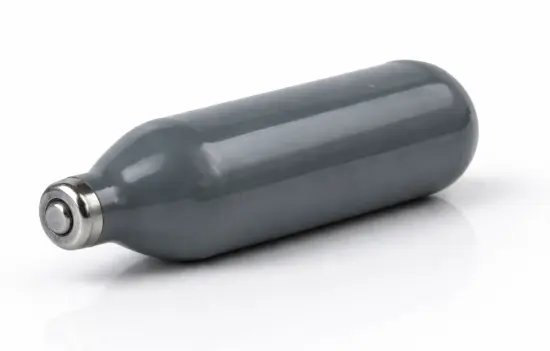
A cream charger is a small, heavy-duty metal vessel engineered specifically to hold pressurized gas safely. In the bustling environment of a commercial kitchen, this seemingly simple device acts as the beating heart of the pastry and dessert station. To understand its true value, one must look at the manufacturing process. A steel cartridge filled with pure gas must undergo rigorous testing to ensure it will not fail under stress. Each unit must securely contain the exact volume of gas required to pressurize your liquids properly. If the pressure is too low, the liquid will not aerate. If the pressure is too high, it could compromise the structural integrity of the container.
For wholesale buyers importing from manufacturing hubs in China or Vietnam, understanding the factory process is crucial. A top-tier production facility utilizes automated lines to draw, shape, and weld the metal into a seamless bottle. After shaping, the bottles are rigorously cleaned to remove any industrial lubricants or metal dust. This cleaning phase is non-negotiable because any leftover residue would ruin the flavor of the food and pose serious health risks. Once cleaned, the bottles are filled with nitrous oxide gas and sealed tightly.
Buyers must remain vigilant against suppliers who offer prices that seem too good to be true. Often, these low-cost alternatives skip the essential cleaning steps or use subpar metal that rusts easily. Certificate fraud is also a common pain point in international trade. A trustworthy supplier will always provide authentic, verifiable documentation proving that their products meet global food safety standards. By prioritizing quality over rock-bottom prices, you protect your customers and your brand's reputation.
How Does a Nitrous Oxide Cartridge Work to Dispense Fluffy Whipped Cream?
The mechanical brilliance of these whipping tools lies in their simplicity and speed. A busy barista or chef does not have the luxury of spending ten minutes hand-beating a bowl of dairy. They require instant results. The process begins when you fill your dispenser with heavy cream, making sure not to exceed the maximum fill line. Overfilling leaves no room for the gas to enter and mix properly with the liquid.
Once the bottle is sealed, you screw the cartridge into the holder. As you tighten it, a small hollow pin will puncture the foil seal on the tip. At that exact moment, the gas is released rapidly into the sealed bottle. Because the environment inside is completely enclosed, the gas has nowhere to go but into the liquid itself. It acts as a powerful propellant and dissolves into the fat molecules of the dairy.
When the chef is ready to plate the dish, they point the nozzle downward and press the trigger. As the liquid is forced out into the open air, the sudden drop in atmospheric pressure causes a magical physical reaction. The gas expands instantly, stretching the fat molecules and trapping air in millions of tiny bubbles. This rapid expansion creates fluffy whipped cream in a fraction of a second. The resulting topping is incredibly stable and holds its shape beautifully on top of a hot coffee or a cold pastry, ensuring a flawless presentation every single time.
Why Choose N2O Gas Over CO2 for Culinary Use?
A common question among those new to the culinary world is why we use one specific type of gas instead of another. Why not just use co2, which is cheap and widely available? The answer boils down to basic chemistry and human taste perception. While co2 is absolutely perfect for carbonation in water-based liquids—such as making sparkling water, craft sodas, or effervescent cocktails—it has a major drawback when mixed with dairy. When carbon dioxide mixes with water, it forms mild carbonic acid. This acid gives sodas their pleasant, sharp bite. However, if you inject that same acid into sweet dairy, it creates a sour, tangy, and generally unpleasant flavor profile. You certainly do not want your sweet vanilla toppings tasting like sour milk!
On the other hand, nitrous oxide is uniquely suited for culinary use. It is a completely inert, neutral gas with a faintly sweet odor and taste. It will seamlessly mix and dissolve into fat-heavy liquids without altering or masking the delicate flavors of your recipes. If you are making a delicate chocolate mousse or a fragrant strawberry topping, the gas ensures that the only flavors your guests experience are the pure, natural ingredients you carefully selected. Furthermore, it acts as a natural preservative by displacing oxygen inside the bottle, extending the shelf life of your mixtures by several days.
What Are the Best Ways to Handle a Whipped Cream Dispenser and Cylinder?
Operating pressurized equipment requires a strong commitment to safety and proper training. In a high-speed commercial environment, staff must know exactly how to handle these tools to prevent accidents and minimize waste. First and foremost, you must always verify that your chosen cylinder is fully compatible with your whipped cream dispenser. Mixing and matching different thread sizes or incompatible brands can lead to catastrophic gas leaks or stripped threads, rendering the equipment useless.
Before introducing these tools to your kitchen staff, you must mandate that everyone read the manufacturer instruction manual from cover to cover. Training should cover the basics: never point the dispensing end at a person, always ensure the bottle is fully depressurized before attempting to open it, and never force a threaded part that is cross-threaded.
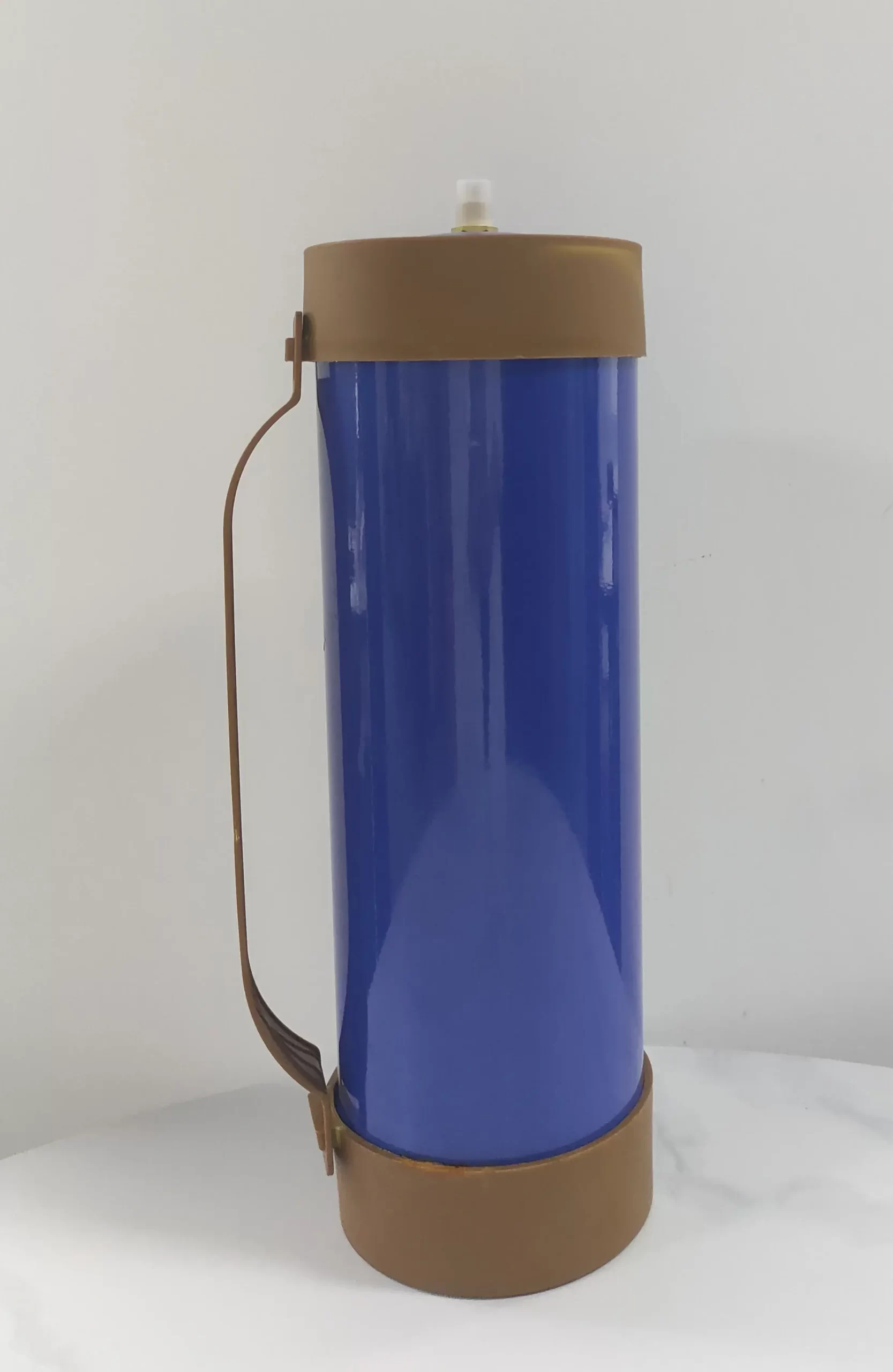
When utilizing large-capacity tanks, such as the FURRYCREAM Max Tank 2000g/3.3L Cream Charger, the operational dynamics change slightly. Instead of constantly swapping out small bulbs, you connect the tank to the bottle using a precision regulator hose. This regulator allows the chef to dial in the exact pressure setting required for the specific recipe. A delicate foam might require lower pressure, while a thick, dense topping might require a higher flow. Mastering this control leads to consistent, repeatable culinary excellence.
How Do You Safely Store and Maintain a Whip Canister and Nozzle?
Protecting your investment through proper storage and meticulous maintenance is just as important as knowing how to cook with the tools. Whether you are running a massive catering operation or a small boutique cafe, taking care of your gear prevents mid-service breakdowns. You should always store your canister inventory in a cool, dry place. Moisture is the enemy of metal, even rust-resistant alloys, and keeping the boxes dry prevents the outer casings from degrading over time.
It is absolutely critical to avoid direct sunlight. You must also keep all pressurized vessels far away from ovens, grills, and other intense heat sources. If a closed bottle gets too hot, the pressure inside will spike to dangerous levels. While quality products have built-in safety burst valves, it is always best practice to avoid triggering them in the first place by keeping the environment stable and temperature-controlled.
Daily maintenance is straightforward but essential. After every single shift, the user must completely dismantle the dispensing head. Wash the metal body, the internal valves, and the decorative nozzle with warm, soapy water. Use a small pipe cleaner brush to scrub out the narrow pathways where dairy fats love to hide. If dairy is left inside these tiny crevices, it will spoil rapidly, leading to bacterial growth that can cause severe foodborne illnesses. Rinse everything thoroughly and allow the parts to air dry completely before reassembling them for the next day's service.
How Can the Standard 8g N2O Cream Charger Expand Your Kitchen Menu?
While massive 2000g tanks dominate the high-volume industrial scene, the classic 8g size remains an undisputed heavyweight champion in terms of versatility and convenience. This small, torpedo-shaped bulb has been a staple in the hospitality industry for over half a century. It is incredibly convenient because it requires no external hoses or complicated pressure dials. You simply drop it into the sleeve, twist, and you are ready to plate.
This compact footprint makes it a massive favorite for home users who want to replicate restaurant-quality desserts in their own dining rooms. They appreciate how these tiny tools help them execute advanced culinary techniques without cluttering their cabinets with bulky machinery. However, professional chefs also rely heavily on this standard size to expand their menu offerings.
In a high-end restaurant, a chef might want to offer five different types of aerated garnishes: a spicy mango foam for a seafood appetizer, a savory parmesan foam for a pasta dish, a classic vanilla topping for dessert, and two different infused foams for the cocktail bar. Using large tanks for five different, low-volume applications is highly impractical. By keeping several small, one-liter bottles on hand, powered by the small standard bulbs, the kitchen can execute a vastly more complex menu with incredible ease and organization.
Are Cream Dispensers and an N2O Charger Only for Whipping Cream?
A common misconception is that these tools are one-trick ponies, only good for topping a slice of pie or a hot chocolate. Absolutely not! The modern culinary landscape has completely redefined how we use pressure in food preparation. While creating traditional sweet toppings is the most well-known task, cream dispensers unlock a world of avant-garde creative potential.
One of the most exciting techniques utilized by modern mixologists and chefs is rapid infusions. Traditionally, if you wanted to make jalapeño-infused tequila or rosemary-infused olive oil, you would place the ingredients in a jar and wait weeks for the flavors to meld. With a pressurized bottle, you can force the flavors to marry in a matter of minutes. You place the liquid and the aromatics into the bottle, pressurize it, and let it sit for two minutes. When you quickly vent the pressure, the cell walls of the aromatics burst, releasing all their essential oils directly into the liquid.
Furthermore, you can produce delicate, ethereal culinary foams that elevate the entire dining experience. A talented chef can take cucumber juice, add a touch of gelatin or agar-agar, and transform it into a light, airy garnish that melts instantly on the tongue. The n2o charger provides the high pressure absolutely necessary to infuse these deep, complex flavor profiles so quickly, proving that these devices are indispensable multi-tools.
What Culinary Application Beyond Dessert Uses a Fluffy Texture?
When we think of a fluffy texture, our minds instantly jump to sweet treats, cakes, and ice cream sundaes. However, we should never limit our culinary imagination to just the pastry station. A savory application often benefits immensely from the exact same physical transformations. Introducing an unexpected airy texture to a savory dish creates a delightful surprise for the diner and elevates a standard meal into fine dining art.
Imagine serving a perfectly seared, expensive cut of wagyu beef. Instead of pouring a heavy, dense cheese sauce over the top that masks the flavor of the meat, you can use these tools to create a warm, rich blue cheese foam. The foam carries all the intense flavor of the cheese but rests lightly on the steak, melting beautifully as the guest eats. Consider a classic Eggs Benedict. A traditional hollandaise sauce is notoriously difficult to hold during a busy brunch service; it easily splits or scrambles if it gets too hot. By placing the hollandaise base into a pressurized bottle and keeping it in a warm water bath, the chef ensures that every single plate receives a perfect, stable dollop of sauce that is lighter and more luxurious than a hand-whisked version.
Whether you are creating sweet whipped cream or foams for savory appetizers, the transformation dramatically improves the mouthfeel, the visual presentation, and the overall enjoyment of the food. It is a simple technique that yields incredibly sophisticated results.
Storage, Packaging, and Recycling: What Should a User Know?
In the B2B supply chain, logistics, environmental impact, and physical protection of the product are major concerns. When importing heavy steel goods across the ocean, the packaging must be exceptionally robust. A flimsy cardboard box will disintegrate during transit, leading to dented, unsellable merchandise. Professional buyers must insist on reinforced, multi-layer cartons and secure pallet wrapping to ensure the products survive international shipping without damage.
Environmental responsibility is another critical factor in today’s market. Most standard small cartridges are inherently single-use items. However, because they are made from pure, high-grade steel, they are completely recyclable once they are empty and safely depressurized. Implementing proper recycling protocols within your business shows a strong commitment to environmental sustainability and ensures compliance with local waste management and disposal laws.
To guarantee you are getting products that are both safe and environmentally sound, always source your inventory from reputable suppliers. A trustworthy factory partner, such as the makers of the 730g OEM Accepted Cream Charger Food Grade Dessert Tools, will prioritize strict adherence to international safety, purity, and manufacturing standards. This reliability ensures that the end-user receives a premium experience while minimizing negative ecological impacts.
How Does Using a Whip System Improve the Quality of Culinary Chargers?
When a procurement officer invests capital into specialty culinary chargers, they are essentially investing in the promise of consistency. In the restaurant business, consistency is what keeps customers returning week after week. They want their favorite dish to look and taste exactly the same every single time they order it. A high-quality brand ensures that every single cartridge leaving the factory is filled with exactly the right amount of propellant.
This precise manufacturing consistency means your kitchen staff can aerate liquids with predictable, flawless results every time. There is no guessing game. Proper aeration is key to a good mouthfeel, ensuring the bubbles are uniform in size and distribution. Whether the kitchen is utilizing a standard bulb for a quick garnish or relying on a massive tank for a high-volume catering event, the ultimate goal remains identical: to whip liquid ingredients into a firm, lasting structure that holds its shape beautifully on the plate until the moment the guest takes their first bite.
How Does Buying Wholesale N2O Benefit Your Bottom Line?
For seasoned business owners and procurement officers, the fundamental math of wholesale purchasing is incredibly compelling. Purchasing bulk inventory drastically reduces the per-unit cost, freeing up valuable operating capital. By partnering directly with a top-tier manufacturer overseas, you effectively bypass the domestic middlemen, regional distributors, and retail markups that eat away at your profit margins.
This direct-to-factory relationship allows you to secure highly competitive pricing while simultaneously demanding and maintaining top-tier product quality. Furthermore, when you act as a distributor supplying high-volume local restaurants, bakeries, or cafes, offering them premium gear at a fair, stable price builds incredible, long-lasting customer loyalty. Bulk purchasing of items like the 1300g Hot Selling Professional Whipped Cream Charger ensures that your warehouse never runs empty during the chaotic, high-demand holiday peak seasons. It is a strategic move that transforms a simple kitchen supply into a major driver of business growth and sustained profitability.

-
 Hangzhou Luire Technology Co., Ltd.
 -
 ROOM 2805 JINZUN TOWER OF ZUNBAO,HANGZHOU,CHINA
 -

-

-