Used whip cream chargers are a common sight in kitchens everywhere, from bustling restaurants to cozy home setups. But once that delightful whipped cream is made, what happens to the empty cream charger? Knowing how to dispose of cream chargers properly is not just about tidiness; it's about safety and environmental responsibility. This article is your go-to resource for understanding the ins and outs of cream charger disposal, including how to recycle them, what to do with unused ones, and how to handle these nitrous oxide chargers in an eco-friendly way. Whether you're a business owner like Mark Thompson looking for bulk solutions or a home user, learning to safely dispose of these items is crucial. We'll delve into why proper disposal matters, the risks of improper disposal, and how you can contribute to a more sustainable cycle.
As Allen, from a factory with 7 production lines specializing in Cream Charger Cylinders And N2O Tanks, I've seen the industry grow, and with it, the importance of educating our customers. We export extensively to the USA, North America, Europe, and Australia, and we understand the concerns of procurement officers like Mark who value quality and clear information. This guide aims to address those needs directly.
What Exactly Are Cream Chargers and What Do They Contain?
A cream charger is a small metal cylinder or cartridge, typically made of steel, designed to hold a specific amount of gas. The gas inside is usually nitrous oxide (N2O), which is used as a whipping agent in a cream dispenser to create whipped cream quickly and efficiently. When the cream charger is inserted into a whipped cream dispenser and pierced, the pressurized N2O gas is released into the liquid cream, aerating it to produce fluffy whipped cream. These small metal cylinders are incredibly convenient for both professional chefs in food service industries and home cooks.
It's important to understand that cream chargers contain pressurized gas. Even when you think a cream charger is empty, there might be some residual gas. This is a key reason why proper disposal methods are so important. The nitrous oxide itself is a non-flammable gas, but its presence under pressure means the canister must be handled with care throughout its lifecycle, from use to disposal. As a manufacturer, we ensure our products, like the FURRYCREAM Max Tank 2000g/3.3L Cream Charger High Quality Fast Delivery, are made from high-quality materials to safely contain the gas, but the end-user's responsibility in disposal is equally critical.
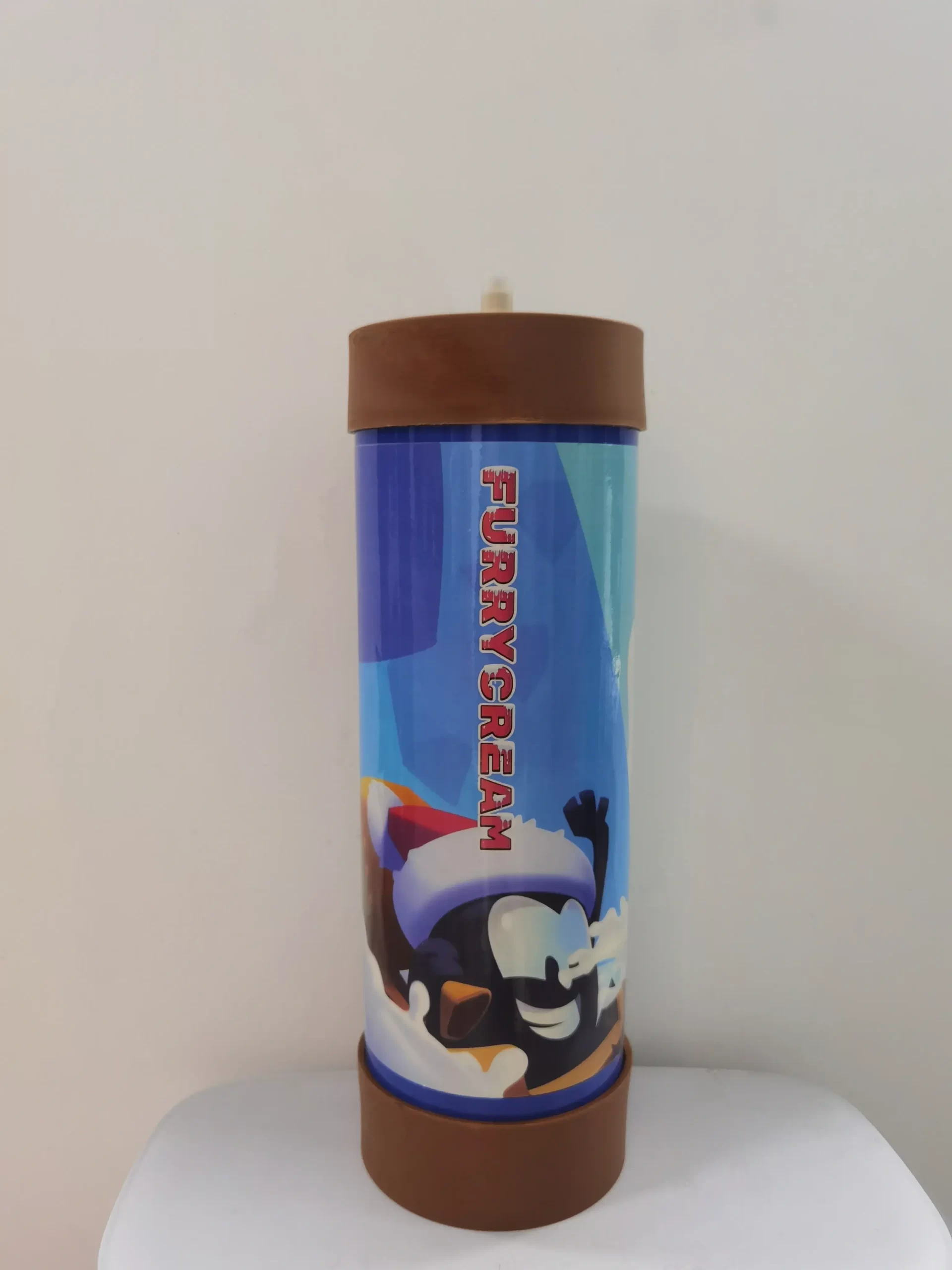
The main component of a cream charger body is steel, which is a highly recyclable material. This is good news for the environment! However, the fact that they contain nitrous oxide (also known as N2O) and are pressurized means they can't just be tossed into any recycling bin without precaution. Understanding this composition helps in appreciating why specific guidelines for disposing of them exist. The goal is to recycle the steel without causing any safety risks or environmental hazards.
Why is Proper Disposal of Whip Cream Chargers So Vitally Important?
Knowing how to dispose of whip cream chargers correctly isn't just a minor detail; it's a significant responsibility with real-world consequences. Improper disposal of these N2O canisters can pose a safety hazard and negatively impact on the environment. Firstly, safety: cream chargers contain pressurized gas. If a canister isn't completely empty and is, for example, compacted in a waste truck or handled incorrectly at a waste facility, it could rupture. While the risk is low with high-quality chargers, it's a risk nonetheless that proper disposal methods aim to eliminate. We must dispose of cream chargers safely and responsibly.
Secondly, the environmental aspect is crucial. Nitrous oxide (N2O) is a potent greenhouse gas. While the amount in a single cream charger is small, the cumulative effect of millions of chargers being disposed of improperly can contribute to greenhouse gas emissions. Ensuring that the gas is fully expelled in the cream dispenser during normal use, and that the empty chargers are then managed correctly, helps mitigate this. Furthermore, the steel body of a cream charger is a valuable resource. Tossing it into a landfill means that resource is lost and more energy is consumed to produce new steel. Recycling these small metal cylinders conserves natural resources and reduces energy consumption.
Finally, proper disposal ensures compliance with local regulations. Many municipalities have specific guidelines for disposing of pressurized containers. Failing to follow these can sometimes lead to issues with waste management services. For businesses in the food service industries, demonstrating responsible waste disposal practices, including for items like cream chargers, also contributes to a positive public image and corporate social responsibility. It's about protecting your community, the environment, and your business.
Can You Actually Recycle Cream Charger Canisters? The Steel Truth!
Yes, in most cases, cream charger canisters are recyclable! This is excellent news because the vast majority of cream chargers are made from steel, which is one of the most recycled materials in the world. The "steel truth" is that steel can be recycled over and over again without losing its quality. This process significantly reduces the need for mining new iron ore, saves energy, and lowers greenhouse gas emissions compared to producing steel from raw materials. So, when you recycle your cream chargers, you're making a genuinely positive environmental choice.

However, there's a very important "but." For a cream charger to be accepted for recycling, it must be completely empty of nitrous oxide. Recycling facilities are not equipped to handle pressurized containers, as they can pose a safety risk during the sorting and processing stages. An empty cream charger is simply a piece of high-quality steel. Many local recycling programs will accept steel canisters, but you absolutely must check with your local waste management or recycling center first. They will have specific guidelines on how they want these items prepared and collected. Some areas might require you to take them to a specific drop-off location rather than putting them in your curbside recycling bin.
So, the path to recycling your cream charger involves a couple of key steps: ensuring it's empty before recycling and confirming the local recycling guidelines. Don't assume! A quick call or visit to your local recycling center's website can provide all the information you need to responsibly dispose of your used cream chargers and ensure they are recycled. This diligence helps protect the environment and supports the circular economy.
How Do I Ensure My Cream Charger is Completely Empty for Safe Disposal?
This is perhaps the most critical step before you even think about how to dispose or recycle your cream charger. Ensuring the canister is completely empty is paramount for safety and for it to be accepted by a recycling center. The primary way to empty a cream charger is through its intended use: in a whipped cream dispenser. When you operate your cream dispenser, listen for the gas to be fully released into the cream. Most dispensers will allow the gas to escape fully when the charger is pierced and the lever is used.
After you've made your whipped cream and the cream charger has done its job, remove it from the dispenser according to the manufacturer’s instructions for your specific dispenser model. At this point, it should be empty. However, to be absolutely certain, and as a good practice, you can try to gently shake the cream charger. An empty one will feel lighter and you won't sense any residual pressure or liquid (though N2O is a gas at room temperature, "feeling" for pressure is key). Some users suggest leaving the empty cream charger in the dispenser and attempting to dispense one more time with no cream; if no gas releases, it's a good sign it's empty.
Never attempt to puncture a cream charger yourself to release residual gas if you suspect it's not empty. This is dangerous and can pose a safety hazard. The piercing mechanism in a whipped cream dispenser is designed to do this safely. If you're using a larger cylinder-style cream charger, the process of emptying it involves using it with a compatible regulator and hose system until no more gas is dispensed. Always follow the manufacturer’s instructions for your specific equipment. The goal is simple: make sure the cream charger is no longer pressurized before you proceed with disposal or recycling. This simple check prevents safety risks down the line.
What Are the Correct Steps to Dispose of or Recycle Empty Cream Chargers Locally?
Once you've confidently ensured your cream charger is completely empty, the next step is to figure out the proper disposal methods for your specific area. The good news is that because they are made of steel, empty cream chargers are often recyclable. However, local recycling guidelines can vary by location, so it's crucial to do a little homework. Don't just toss them in the regular trash or your curbside recycling bin without confirming.
Here's a general step-by-step approach:
- Confirm it's Empty: As discussed, this is non-negotiable. Chargers must be completely empty.
- Check Local Recycling Rules:
- Visit the website of your local waste management authority or local recycling center.
- Look for information on "metal recycling," "steel recycling," or "aerosol cans" (as the rules for small pressurized-then-emptied containers can sometimes be similar).
- Some communities have excellent, detailed guides online. If not, a quick phone call can clarify.
- Prepare for Collection (if accepted curbside): If your local recycling service accepts empty cream chargers in the curbside bin, they might have specific instructions, such as placing them loose or in a particular bag. Usually, place the empty chargers as they are.
- Take to a Recycling Center: Many areas require you to take small steel canisters like empty cream chargers to a designated recycling center or drop-off point for scrap metal. This ensures they are handled correctly. Find out if your local recycling center accepts metal of this type.
- No Recycling Option? If, after checking, you find there are no recycling programs for these items in your area (which is becoming rarer for steel), your local waste management will provide disposal instructions for placing them in the regular trash. Even in this case, ensuring they are empty is vital for safety.
Remember, the goal is to recycle these steel canisters whenever possible. It’s the most environmentally friendly way to dispose of cream chargers. For businesses like Mark Thompson's clients – culinary supply retailers, restaurants, and cafes – setting up a clear process for collecting and recycling empty chargers can be an important part of their sustainability efforts. As a supplier, we encourage inquiring about our Factory Bulk High Volume 2000g Cream Charger Cylinder 3.3L with OEM Service as these larger formats, when handled by professionals, can streamline the collection and recycling process for high-volume users.
Dealing with the Tricky Ones: How Should I Handle the Disposal of Unused or Partially Full N2O Canisters?
This is a scenario that requires extra caution. Disposing of unused or partially full N2O canisters (or cream chargers) is different from handling empty cream chargers. Because they still contain nitrous oxide under pressure, they cannot simply be put into your recycling bin or regular trash. Doing so could pose a safety hazard during waste collection and processing. These items might be considered hazardous waste depending on your local regulations.
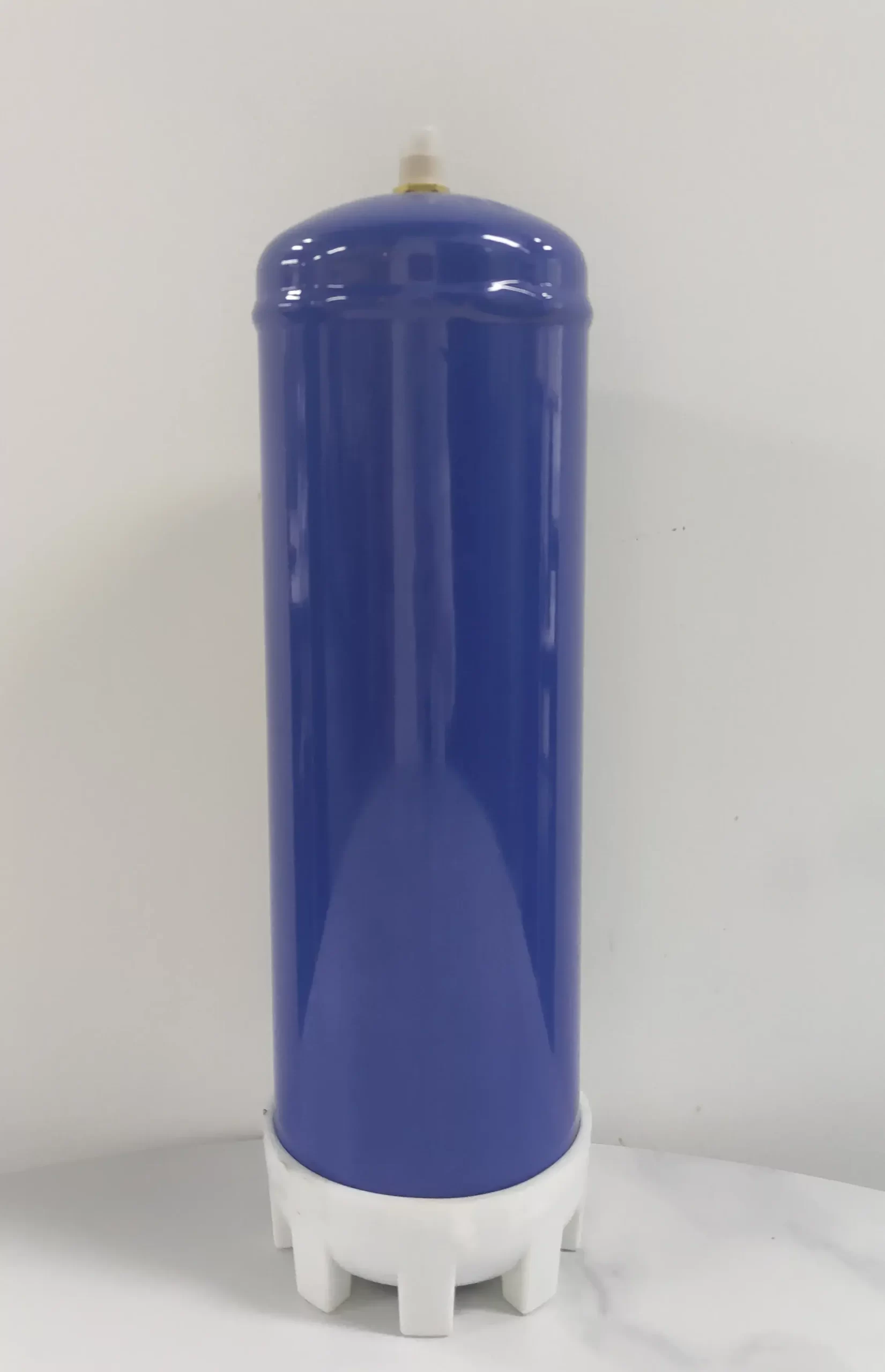
The safest approach for unused or partially full cream chargers is to contact your local hazardous waste disposal facility. Most communities have specific collection days or drop-off locations for household hazardous waste. They are equipped to handle items that are pressurized or contain chemicals. They will be able to provide specific instructions on how to dispose of the chargers safely and responsibly. Do not attempt to puncture or empty them yourself if you are not using them in the intended cream dispenser.
For businesses that might accumulate a larger quantity of unused whip cream chargers (perhaps due to a product change or overstocking), it’s even more critical to consult with professional waste disposal services or your local hazardous waste program. They can advise on compliant disposal methods. While it might seem inconvenient, taking this extra step for unused chargers is crucial for safety and environmental protection. The goal is always to prevent nitrous oxide from being released uncontrolled into the atmosphere and to avoid any safety risks associated with pressurized containers.
Are There Common Mistakes People Make When Trying to Dispose of Cream Chargers?
Yes, unfortunately, several common mistakes occur when people try to dispose of cream chargers. Avoiding these pitfalls is key to ensuring safety and promoting effective recycling. As someone who has been in this business for a while, I've heard a few stories, and I want to help you get it right.
Here's a list of frequent errors:
- Not Emptying Completely: This is the biggest one. Tossing a partially full cream charger into the recycle bin or trash is a no-go. It must be completely empty. This ensures no residual gas can cause issues.
- Assuming All Recycling Programs Are the Same: People often assume that if one town accepts cream chargers in curbside recycling, their town will too. Local recycling guidelines vary significantly. Always check with your local waste management.
- Trying to Puncture the Canister: This is dangerous! Unless you are using a specialized tool designed for this (which is rare for consumers), do not attempt to puncture a cream charger yourself. The cream dispenser does this safely. A manual puncture can lead to injury if the canister is still pressurized.
- Placing in Regular Trash When Recycling is Available: Many cream chargers are made of steel, a highly recyclable material. Opting for the landfill when a recycling option exists means missing an opportunity to reduce waste and conserve resources.
- Hoping for the Best (Wish-cycling): Tossing items into the recycling bin hoping they're recyclable without checking can contaminate actual recyclable materials and cause problems at the recycling center.
- Ignoring Manufacturer’s Instructions: Your whipped cream dispenser and cream charger packaging often come with disposal instructions or safety advice. It’s always a good idea to review these.
- Forgetting About Bulk Disposal: For businesses in food service industries, not having a plan for the large number of empty chargers they generate can lead to inefficient and improper disposal. Planning for recycling in bulk is essential.
By being aware of these common mistakes, you can take proactive steps to dispose of your cream chargers the right way. It's about being informed and responsible. For instance, for businesses looking into bulk options, our OEM Export Quality 580g Whipped Cream Chargers Supply Available can be a great choice, and we always advise our clients on best practices for the end-of-life management of these products.
What is Our Responsibility as Manufacturers in Guiding Proper Cream Charger Disposal?
As a manufacturer of whipped cream chargers and N2O gas cylinders, I, Allen, and my company believe we have a significant role to play in promoting proper disposal and recycling. Our responsibility extends beyond just producing a high-quality, safe cream charger. It includes providing clear information to our customers, like Mark Thompson and the businesses he serves, about the entire lifecycle of the product, including its end-of-life.
Firstly, we strive to use materials that are inherently recyclable, like steel for the cream charger canister. This design choice is fundamental to enabling eco-friendly disposal options. We also focus on manufacturing standards that ensure the cylinder is robust and safe during its intended use, minimizing risks. Secondly, we believe in education. This means including information with our products, where feasible, about the importance of emptying the cream charger completely and checking local recycling guidelines. For our B2B clients, we aim to be a resource, helping them understand how to advise their own customers. For example, when a client orders our Furrycream 730g Whipped Cream Charge Best Selling High Purity Gas, we can provide supporting information on responsible usage and disposal.

Furthermore, engaging in industry discussions and supporting initiatives that improve recycling infrastructure for items like cream chargers is also part of our broader commitment. We understand that clear communication helps alleviate some of the pain points buyers like Mark experience, such as uncertainty about compliance or best practices. By being transparent and proactive about disposal of these chargers, we aim to build trust and contribute to a more sustainable industry. We want to make it as straightforward as possible for everyone to recycle their cream chargers and protect the environment.
How Can Responsible Disposal Practices Benefit My Food Service Business?
For businesses in the food service industries – restaurants, cafes, catering services, and culinary supply retailers – adopting responsible cream charger disposal practices offers a range of tangible benefits. It's not just about "doing the right thing"; it's good for business. Mark Thompson, who supplies these businesses, would surely agree that his clients appreciate solutions that enhance their operations and reputation.
Here’s how your business can benefit:
- Enhanced Reputation and Brand Image: Customers are increasingly conscious of environmental issues. Demonstrating a commitment to sustainability, including proper disposal and recycling of items like whip cream chargers, can significantly boost your brand's image. It shows you care about more than just profits.
- Compliance with Regulations: Many regions have specific guidelines for disposing of waste, especially items that were pressurized or are made of recyclable materials. Adhering to these helps avoid potential fines or issues with local waste management authorities.
- Cost Savings (Potentially): While setting up a recycling program might have initial considerations, some recycling centers or scrap metal dealers might offer rebates for bulk steel. Moreover, reducing landfill waste can sometimes lower overall waste disposal costs.
- Employee Engagement and Morale: Employees often feel proud to work for a company that is environmentally responsible. Implementing clear recycling programs for cream chargers and other waste can boost morale and engagement.
- Attracting Eco-Conscious Customers: Highlighting your green initiatives, such as how you recycle your cream charger canisters, can be a selling point that attracts customers who prioritize sustainability.
- Operational Efficiency: Establishing clear procedures for waste handling, including empty chargers, can streamline kitchen operations and ensure a cleaner, safer workspace. Storing empty chargers neatly for recycling is better than haphazard disposal.
By making a conscious effort to dispose of cream chargers responsibly, your food service business can contribute to a more sustainable future while also reaping these practical advantages. It's an investment in your business's longevity and its relationship with the community and the environment.
Where Can I Find Reliable Local Recycling Guidelines for These Cylinders?
Finding reliable information on how to recycle your cream chargers (or N2O cylinders) locally is easier than you might think, though it requires a little proactive effort. Since recycling guidelines can indeed vary by location, generic advice isn't always enough. You need specifics for your area to ensure they are recycled correctly.
Here are the best places to start your search for local recycling information:
- Your Municipal or County Waste Management Website: This is often the most comprehensive resource. Search for terms like "[Your Town/County] waste management," "[Your Town/County] recycling," or "[Your Town/County] hazardous waste." Look for sections on metals, steel, aerosol cans (as sometimes the advice is similar for emptied pressurized containers), or a general A-Z guide of recyclable materials.
- Call Your Local Waste Hauler: If your waste is collected by a private company, their customer service should be able to provide details on what they accept for recycling and how items like empty cream chargers should be prepared.
- Earth911.com (or similar regional databases): Websites like Earth911 (primarily for the US) allow you to search for recycling options by material type and zip code. They can often point you to the nearest recycling center that accepts steel canisters.
- Visit a Local Recycling Center: If you have a main recycling center in your area, their website or a visit in person can provide the most direct answers. You can ask if the local recycling center accepts metal items like empty cream chargers.
- Retailer Take-Back Programs (Less Common for Chargers): While not widely available for cream chargers specifically, some retailers offer take-back programs for certain types of waste. It’s worth a quick check, though direct municipal/county resources are usually more fruitful.
When you contact these resources, be specific. Ask: "I have empty steel cream chargers (or nitrous oxide chargers). Can these be recycled? If so, how should I prepare them, and where can I take them or how should they be placed for curbside pickup?" Being clear that the chargers are completely empty is crucial. Taking these steps will help you responsibly dispose of your whip cream chargers and ensure you're following the correct local recycling guidelines to protect the environment.
Key Takeaways for Responsible Cream Charger Disposal
Remembering these key points will help you safely dispose of whip cream chargers and recycle them effectively:
- Always Empty First: The golden rule! Ensure every cream charger is completely empty of N2O gas before considering disposal or recycling. Use them fully in your whipped cream dispenser.
- Steel is Recyclable: Cream chargers are typically made of steel, a highly recyclable material. Prioritize recycling over sending them to a landfill.
- Check Local Guidelines: Recycling rules differ everywhere. Contact your local waste management or recycling center to learn the specific guidelines for disposing of empty cream chargers in your area.
- Never Puncture Manually: Do not attempt to puncture a cream charger yourself to release gas. This can be a safety hazard.
- Unused Chargers are Different: Unused or partially full cream chargers may be considered hazardous waste. Contact your local hazardous waste disposal facility for instructions.
- Avoid Regular Trash (if recycling is an option): If your area offers recycling for steel canisters, use that option to reduce waste and conserve resources.
- Safety First: Proper handling and disposal prevent safety risks for you, waste handlers, and recycling center staff.
- Environmental Impact: Responsible disposal and recycling minimize the impact on the environment, reducing greenhouse gas emissions associated with N2O and new material production.
- Businesses, Plan Ahead: Food service industries should establish clear procedures for collecting and recycling the large volume of cream chargers they use. This supports sustainability and can enhance brand image. Our range of Bulk Whip Cream Chargers Cylinders And N2O Tanks can help businesses manage their supplies efficiently.
By following these tips, we can all play a part in the eco-friendly disposal of cream chargers, ensuring these handy kitchen tools don't become an unnecessary burden on our planet.

-
 Hangzhou Luire Technology Co., Ltd.
 -
 ROOM 2805 JINZUN TOWER OF ZUNBAO,HANGZHOU,CHINA
 -

-

-