Every exceptional dish starts with top-tier ingredients and reliable tools. In modern gastronomy, the ability to instantly aerate liquids and create stunning textures has become a baseline expectation for high-end dining and busy commercial cafes alike. This ultimate guide will explore how mastering the whip cream charger can completely transform your kitchen's workflow. Whether you run a bustling catering company or manage procurement for a network of culinary supply retailers, understanding the mechanics, business advantages, and creative potential of these devices is absolutely essential. Read on to discover why upgrading your aeration equipment is the smartest investment you can make for your bottom line and your menu.
What Is a Cream Charger and How Does It Revolutionize the Culinary World?
A cream charger is a small, specialized gas cylinder that has completely changed the landscape of modern food preparation. Traditionally, creating whipped cream meant standing over a bowl with a whisk, spending valuable labor minutes beating air into heavy cream until your arms burned. Today, a cream charger provides a fast, foolproof alternative. But what exactly is it? Simply put, a cream charger contains pure nitrous oxide gas under high pressure. When this gas is introduced into a closed environment—specifically a whipped cream dispenser—it works magic.
The revolution lies in convenience and efficiency. In a busy commercial setting, chefs do not have the luxury of time. The use of cream chargers drastically reduces prep time, allowing a kitchen line to output complex, beautiful toppings in mere seconds. Furthermore, cream chargers are small, easy to store, and highly portable. They have shifted from being a niche kitchen supply item to an absolute staple. By instantly injecting n2o into liquid cream, a cream charger creates a volume expansion that manual whipping simply cannot match. This means you actually get more volume out of your liquid dairy, stretching your ingredient budget further.
How Do Chefs Use Cream Chargers to Elevate Their Menus?
If you step into any elite professional kitchen, you will see silver and stainless-steel dispensers lining the pass. Chefs use cream chargers for far more than just sweet toppings. They use them to elevate their entire menu. A talented chef knows that texture is just as important as taste. By using a whip cream charger, a chef can transform heavy, rich ingredients into something incredibly light and airy on the palate.
Consider molecular gastronomy. This avant-garde culinary movement relies heavily on the ability to aerate unexpected liquids. Chefs use a whip cream charger to make delicate vegetable foams, warm hollandaise sauces that never split, and rapid flavor infusions.
"A quality cream charger is the secret weapon of the modern kitchen line. It allows us to execute complex textures rapidly and consistently during a Friday night rush." — Anonymous Executive Chef
Because chargers are designed to handle various liquids (provided they are strained properly), they allow chefs to infuse spirits with herbs in minutes instead of weeks. They can create a stunning dollop of whipped cream infused with espresso for a dessert, or a savory parmesan foam to sit atop a beautifully seared steak. The sheer versatility is staggering.
Why Are Cream Chargers Not Created Equal? Choosing the Right Supplier
When you are purchasing equipment for a business, quality control is everything. Not all cream chargers are created equal. Some budget options on the market contain industrial-grade gas, which can leave a metallic, oily residue in your food. This ruins the flavor of the cream and poses health risks. This is why choosing the right supplier is the most critical step for any procurement officer or restaurant owner. You need a partner who understands the high stakes of the culinary world.
You want to buy cream chargers from a direct manufacturer with multiple production lines and strict safety protocols. A dedicated factory ensures that every charger contains exactly what it is supposed to—pure, food-grade gas. When you rely on high-qualityprofessional whip cream chargers, you eliminate the risk of duds or leaking valves that can slow down your kitchen. A trustworthy supplier will offer cream chargers that comply with international safety standards, giving you peace of mind whether you are buying standard 8g bulbs or investing in larger, high-capacity tanks.
What Is the Science Behind Whipping: How Does Nitrous Oxide Work?
To truly master your culinary creations, it helps to understand the science of whipping. Why use nitrous oxide instead of regular air or carbon dioxide? The secret lies in solubility. Nitrous oxide under pressure dissolves incredibly well into the fat content of heavy cream. Unlike CO2, which is acidic and would sour the dairy, nitrous oxide is slightly sweet and completely neutral in flavor, making it the perfect partner for cream.
When you screw a charger onto the dispenser, the canister is pressurized. The n2o gas dissolves seamlessly into the cold cream inside. The real magic happens when you pull the trigger. As the liquid cream is forced out of the nozzle, the sudden drop in pressure causes the dissolved gas to rapidly expand. The gas is released from the liquid, forming thousands of tiny bubbles. Because the cold fat molecules in the cream wrap around these bubbles, the structure holds its shape. This process creates a fluffy, stable foam that maintains its desired consistency for hours.
How to Use a Whipped Cream Dispenser Like a Pro in a Professional Kitchen?
Using a whipped cream dispenser is straightforward, but doing it like a pro requires attention to detail. Proper technique ensures maximum yield and prevents messy kitchen accidents. Here is a quick step-by-step guide for professional and home kitchens alike:
- Chill Your Equipment: Always start with a cold dispenser. Chill the metal bottle in the fridge before use. Warm metal can melt the fat in the cream, resulting in a runny mess.
- Add Ingredients: Pour in your cold cream and any sweeteners or flavorings. Do not overfill! Most dispensers have a maximum fill line.
- Seal and Charge: Screw the head on tightly. Insert your whip cream charger into the holder.
- Pressurize: Screw the holder onto the pin until you hear the hiss of the gas entering the bottle. This means the chargers are inserted correctly.
- Shake Well: Give the dispenser 3 to 5 vigorous shakes. This helps the gas dissolve into the fat.
- Test Dispense: Hold the dispenser completely upside down (vertical) and gently pull the lever.
Following these best practices ensures that the gas does not escape prematurely. If you hold the dispenser at an angle, the gas might escape without pushing the cream out, leaving you with flat liquid. Proper use of cream chargers guarantees perfection every time.
Can N2O Gas Create More Than Just Classic Whipped Cream?
Absolutely. While creating whipped cream is the primary function, the modern kitchen uses n2o gas to push boundaries. If you only use your dispenser for traditional whipped cream, you are missing out on a world of flavor. The unique properties of nitrous oxide mean it can aerate almost any fat-rich or gelatin-based liquid.
Think about a delicate chocolate dessert. Instead of a heavy ganache, you can use a whip cream charger to create light, ethereal chocolate mousses that melt instantly on the tongue. Bartenders use them to craft intricate cocktail toppings—imagine a tart passionfruit foam resting on a sweet rum drink. Because chargers offer such intense pressure, they force liquids and flavor compounds together rapidly. This means you can place herbs, oil, and gas into the dispenser, and within minutes, you have a deeply infused oil that would normally take weeks to prepare.
Savory and Sweet: Expanding Your Culinary Horizons with Whip Cream Chargers
The divide between the pastry section and the hot line is blurring. Today, a whip cream charger is just as likely to be found next to the grill as it is by the dessert station. The balance of sweet and savory is a hallmark of culinary excellence.
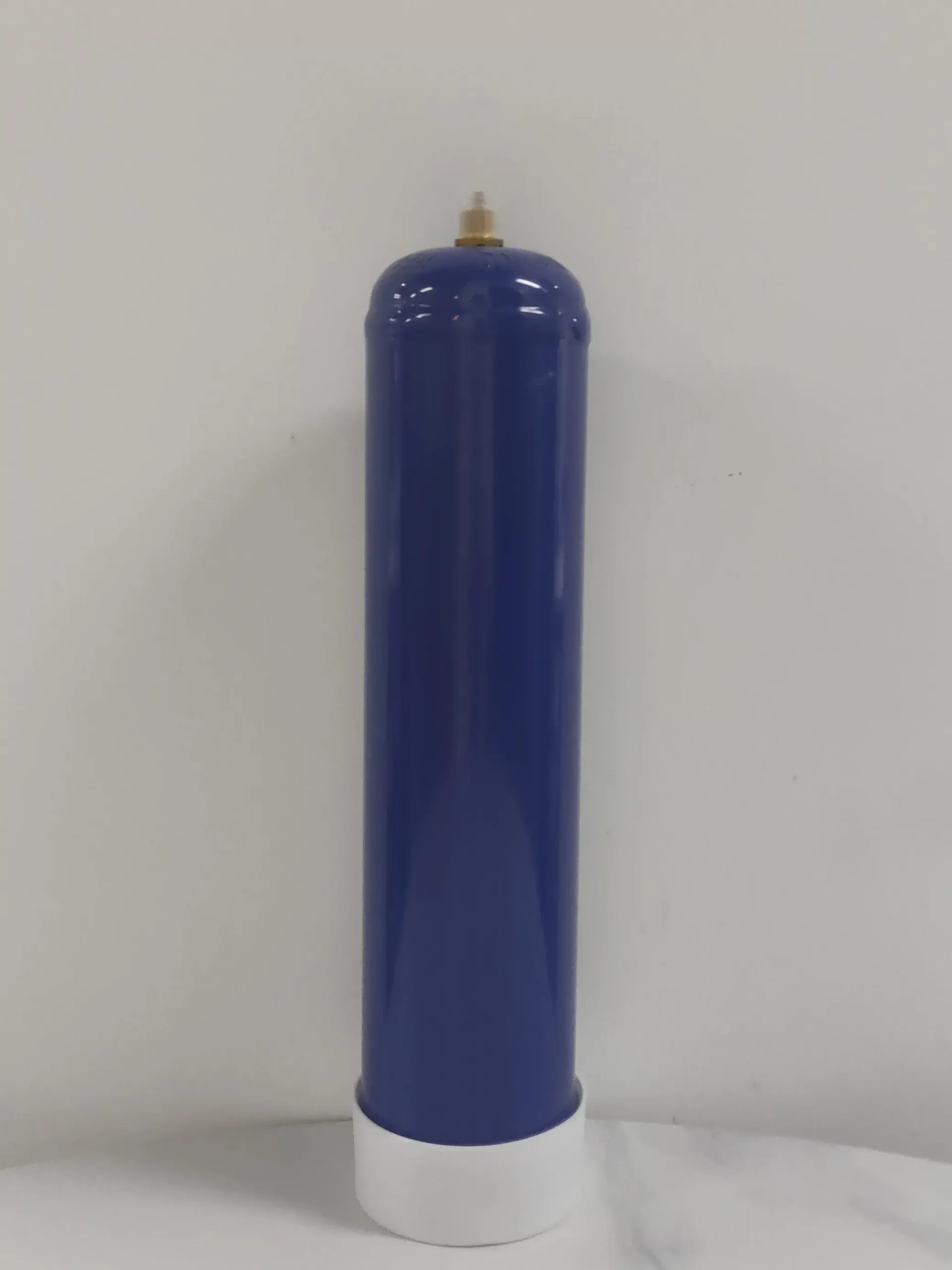
For savory applications, chefs utilize chargers to reinvent classic sauces. A traditional hollandaise sauce is notoriously difficult to hold during a long service; it can easily split or scramble. By placing the warm sauce base into a dispenser and charging it, chefs can hold it safely in a water bath. When dispensed, it produces a stunningly light, perfectly aerated sauce every time. You can also aerate pureed vegetables, root vegetable mashes, and even rich cheese sauces. A high-quality reliable 615g cream canister provides the sustained pressure needed to handle thicker savory purees, proving that this essential tool is a powerhouse for the entire menu.
What Are the Best Practices for Achieving the Perfect Fluffy Foam?
Achieving the perfect whipped cream is an art and a science. Even with the best equipment, user error can lead to less-than-ideal results. Here are the golden rules for fluffy perfection:
- Mind the Fat: You must use cream with an adequate fat content, ideally between 30% and 36%. The fat is what traps the gas. If you use milk or low-fat cream, the bubbles will burst, and the foam will collapse.
- Temperature is Key: Warm cream will not whip. Keep your liquid cream as cold as possible right up until it goes into the dispenser.
- Do Not Over-Shake: This is a common mistake. If you shake the dispenser too much, you can actually churn the cream into butter inside the canister. Three to five shakes are usually enough.
- Check Your Chargers: Ensure you are using a quality cream charger. Low-pressure or half-filled chargers might fail to fully aerate the mixture.
By strictly adhering to these guidelines, your kitchen staff will consistently produce freshly whipped cream that stands tall on any plate.
Why Is Food-Grade Nitrous Oxide Essential for Quality Cream?
When evaluating the range of cream chargers available on the market, the single most important metric is purity. You must insist on food-grade nitrous oxide. Industrial-grade gas, often used in automotive applications, contains impurities, lubricants, and metal shavings. If these contaminants enter your food, they will impart a harsh, chemical taste to your classic whipped cream and, more importantly, pose a severe health hazard.
A premium whip cream charger is rigorously cleaned before it is filled with nitrous oxide. The gas itself undergoes a heavy filtration process to ensure it is 100% pure and intended for food preparation. This purity guarantees that the gas remains completely tasteless and odorless, allowing the natural, sweet flavors of your quality cream to shine through. When you source food-grade nitrous oxide gas tanks from a reputable manufacturer, you are protecting your customers and your restaurant's reputation.
Essential Safety Tips for Professional and Home Kitchens
While cream chargers make kitchen life much easier, they do contain gas under intense pressure. Safety must always be a priority. Here are crucial safety tips for the use of cream chargers:
- Never Overfill: The dispenser needs empty space for the gas to expand. If you fill it to the brim with liquid, the pressure can build dangerously, potentially damaging the dispenser or causing injury.
- Inspect Equipment: Regularly check the threads on your dispenser head and the rubber gaskets. If they are worn or stripped, replace them immediately.
- Proper Disposal: Used chargers should be completely empty before disposal. Never throw a full or pressurized charger contains gas into the trash, as it can explode if crushed or heated.
- Storage: Store unused chargers in a cool, dry place. Extreme heat can cause the gas inside to expand and compromise the structural integrity of the metal bulb.
Additionally, when working in a high-volume environment, consider upgrading to high-quality 2000g cream charger cylinders. These larger tanks require a pressure regulator, which gives you precise control over the gas flow and reduces the constant handling of small metal bulbs.
Summary: Key Takeaways for Elevating Your Culinary Game
To wrap up this ultimate guide, here is what you need to remember to elevate your culinary operations:
- Understand the Tool: A whip cream charger uses nitrous oxide gas to rapidly dissolve into fat, allowing you to create light, fluffy, and stable foams in seconds.
- Expand Your Menu: Move beyond desserts. Use your cream whippers to infuse spirits, create warm savory sauces, and execute complex molecular gastronomy techniques.
- Prioritize Purity: Always use food-grade nitrous oxide. The quality of your gas directly impacts the taste and safety of your food. Never compromise on a quality cream charger.
- Master the Technique: Keep your equipment and cold cream chilled, use the right fat content, and follow strict safety and shaking protocols to achieve the desired consistency.
- Source Smartly: Partner with a reputable supplier who can provide high-quality cream chargers available in various sizes, ensuring your kitchen runs efficiently without supply chain interruptions.
By integrating these tools and knowledge into your daily operations, you can streamline your workflow, expand your creative output, and consistently deliver a beautiful dollop of whipped cream to top off a memorable dining experience.

-
 Hangzhou Luire Technology Co., Ltd.
 -
 ROOM 2805 JINZUN TOWER OF ZUNBAO,HANGZHOU,CHINA
 -

-

-