I've been overseeing operations at our factory in China, where we specialize in producing high-quality whipped cream chargers and N2O gas cylinders. I've spoken with hundreds of business owners and procurement officers, like Mark from the USA, at exhibitions and online. I understand the challenges you face—from ensuring product quality and navigating complex logistics to dealing with the legal gray areas surrounding nitrous oxide. This guide is for you. It's designed to be a comprehensive resource, sharing my first-hand factory experience to help you make informed, profitable, and safe decisions for your business. We'll cover everything from the science of a perfect whip cream to the critical legal distinctions that protect your investment.
What Exactly Is a Whipped Cream Charger and How Does It Work?
At its core, a whipped cream charger is a small steel cartridge or larger canister filled with nitrous oxide (N2O) gas. You might also hear them called whippits or N2O cartridges. Their primary, intended function is culinary. When you attach a charger to a whipped cream dispenser, the pressurized gas is released into the cream inside. The N2O dissolves into the fat molecules of the cream. When you then dispense the cream, the sudden drop in pressure causes the dissolved gas to expand, creating a light, airy foam—the delicious whip cream we all know and love.
The science is quite fascinating. Nitrous oxide is used specifically because it's bacteriostatic (it inhibits bacteria growth), it doesn't oxidize the cream (preventing a sour taste), and it dissolves very well into fatty liquids. This is why you can't just use a CO2 charger (like for soda) to make whip cream; the result would be a fizzy, sour mess! The efficiency of this process is remarkable. A single, small 8-gram cream charger can turn half a liter of liquid cream into two liters of fluffy whipped cream in seconds.
From my perspective as a manufacturer, the process involves creating a perfectly sealed, food-grade steel container and filling it with pure, food-grade nitrous oxide. Every batch must be tested to ensure it meets strict food safety standards. It’s a precision tool designed for a specific job in the kitchen, whether that’s in a bustling cafe, a high-end restaurant, or for a home cook who appreciates quality. Understanding this intended culinary use is the first step to understanding the product and its market.
How Do You Properly Use Cream Chargers for Culinary Purposes?
Using a cream charger safely and effectively is simple, but following the correct steps is crucial for both quality results and safety. As someone who has demonstrated this process thousands of times, let me walk you through it. This is the intended culinary use that these products are designed and sold for.
Step-by-Step Guide for Using a Whipped Cream Dispenser:
- Preparation: Start with a clean whipped cream dispenser. Make sure all parts—the canister, head, gasket, and decorating tip—are properly assembled.
- Filling: Pour cold heavy cream into the dispenser. You can also add sweeteners like powdered sugar or flavorings like vanilla extract at this stage. It's important not to overfill the dispenser; check the max-fill line.
- Charging: Screw the head onto the dispenser tightly. Place one cream charger cartridge into the charger holder. Swiftly screw the holder onto the dispenser's inlet valve until you hear the gas release into the canister. You will hear a hissing sound as the nitrous oxide enters the dispenser.
- Shaking: Once charged, unscrew the charger holder and the empty cartridge. Place the small cap over the valve. Shake the dispenser vigorously for 15-20 seconds. This helps the nitrous oxide gas dissolve properly into the cream. Don't over-shake, as it can make the cream too stiff.
- Dispensing: Hold the dispenser upside down and press the lever gently to dispense the perfect whip cream.
This process is what makes chargers and whipped cream dispensers so valuable in professional kitchens. It's fast, efficient, and creates a superior product compared to hand-whipping or using canned whipped cream. For business owners selling these products, providing clear instructions on proper use cream chargers techniques can add value and promote safe, responsible handling.
Why Is Quality the Most Important Factor When Sourcing N2O Canisters?
For a procurement officer like Mark, price is always a factor. But in my experience, when it comes to nitrous oxide products, quality is paramount. It affects everything from the taste of the final product to the safety of the end-user and the legal standing of your business. Sourcing a low-quality cream charger is a risk that simply isn't worth taking. The difference often comes down to the purity of the gas and the integrity of the canister.
First, let's talk about purity. Food-grade nitrous oxide should be just that—pure N2O. Lower-grade industrial gas can contain oily residues, metallic tastes, and other impurities left over from the manufacturing process. These will ruin the flavor of the whip cream and can be a health concern. At our factory, we use a multi-stage purification process to guarantee 99.9% pure nitrous oxide, and we provide certificates of analysis for every batch. This is a non-negotiable standard that any reputable supplier should offer. Be wary of suppliers who cannot produce valid, verifiable certifications; this is a major red flag and a common pain point for importers.
Second is the integrity of the steel cartridge or canister. A poorly made whipped cream charger can leak, fail to discharge properly, or, in rare cases, even pose a safety risk. The steel must be of a certain thickness and quality to withstand the pressure. Furthermore, a special coating is often applied to the interior to prevent any reaction between the metal and the nitrous oxide. When you're assessing a supplier, ask about their quality control. How do they test for leaks? What materials do they use? Do they comply with international standards like ISO? A good partner will be transparent about their processes because they are proud of them.
What are the Different Sizes of Cream Charger Cartridges Available?
The market for cream chargers and whipped cream products has evolved significantly. While the standard 8g cartridge is still very popular, especially for home use and smaller cafes, larger cylinders have become the go-to for high-volume businesses. Understanding the options helps you cater to the right customer segment.
- 8g Cartridges: These are the small, individual chargers. They are compatible with nearly every standard cream dispenser.
- Pros: Portable, easy to use for single batches, widely available.
- Cons: Not cost-effective for high volume, creates more waste (many small steel cartridges).
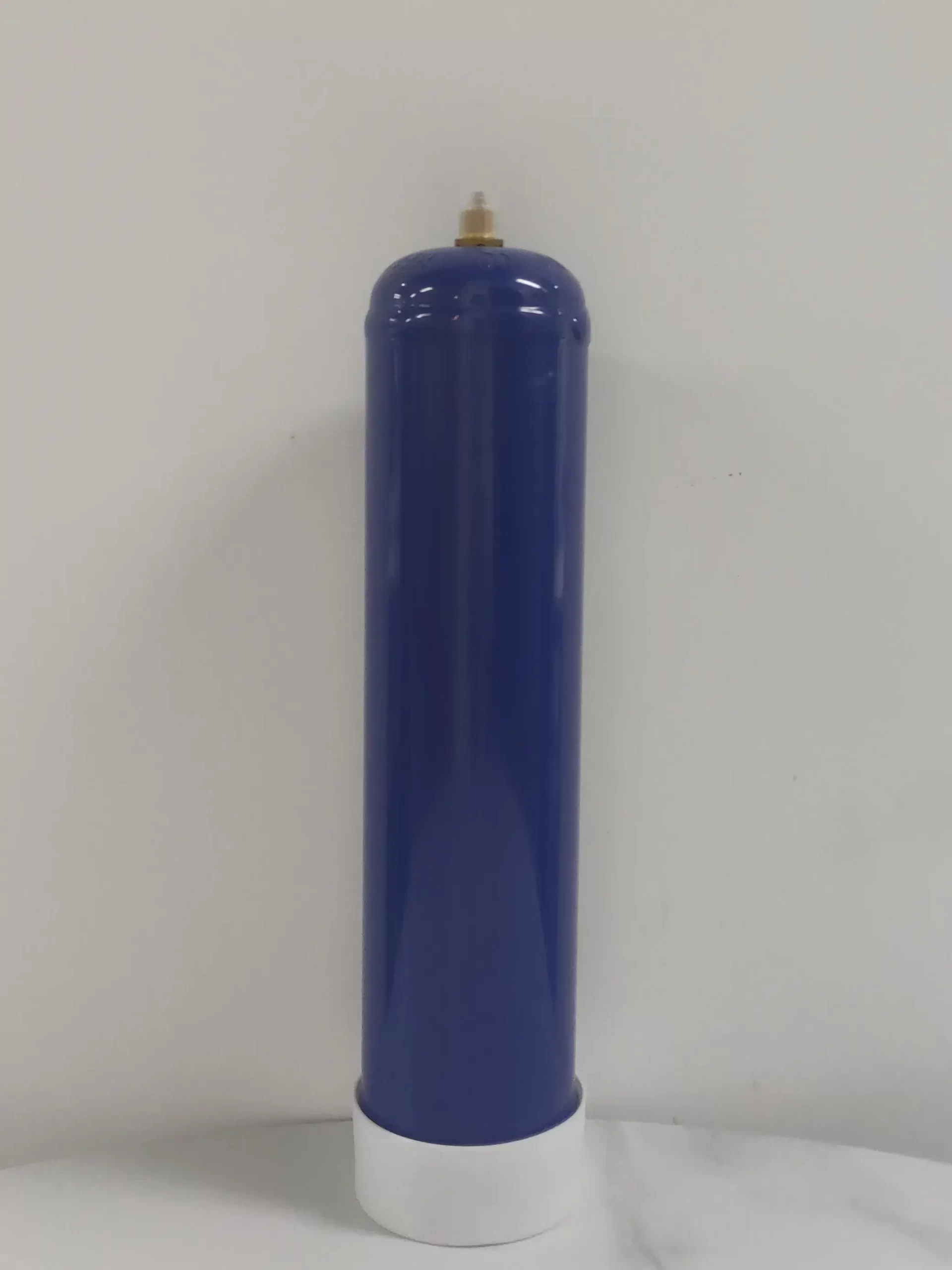
- 580g / 0.95L Tanks: Often marketed by brands like Galaxy Gas, these larger tanks are a game-changer for commercial kitchens. A single 580g tank holds the equivalent of about 72 individual 8g cartridges.
- Pros: Much more efficient for back-to-back orders, reduces waste, more cost-effective per gram of N2O.
- Cons: Requires a specific regulator and hose to connect to the whipped cream dispenser.
- 2000g / 3.3L Tanks: These are for the highest-volume users, like large catering companies or busy beverage chains. These large cylinders offer the best value and efficiency.
- Pros: Maximum efficiency and lowest cost-per-use.
- Cons: Bulkier and require more storage space.
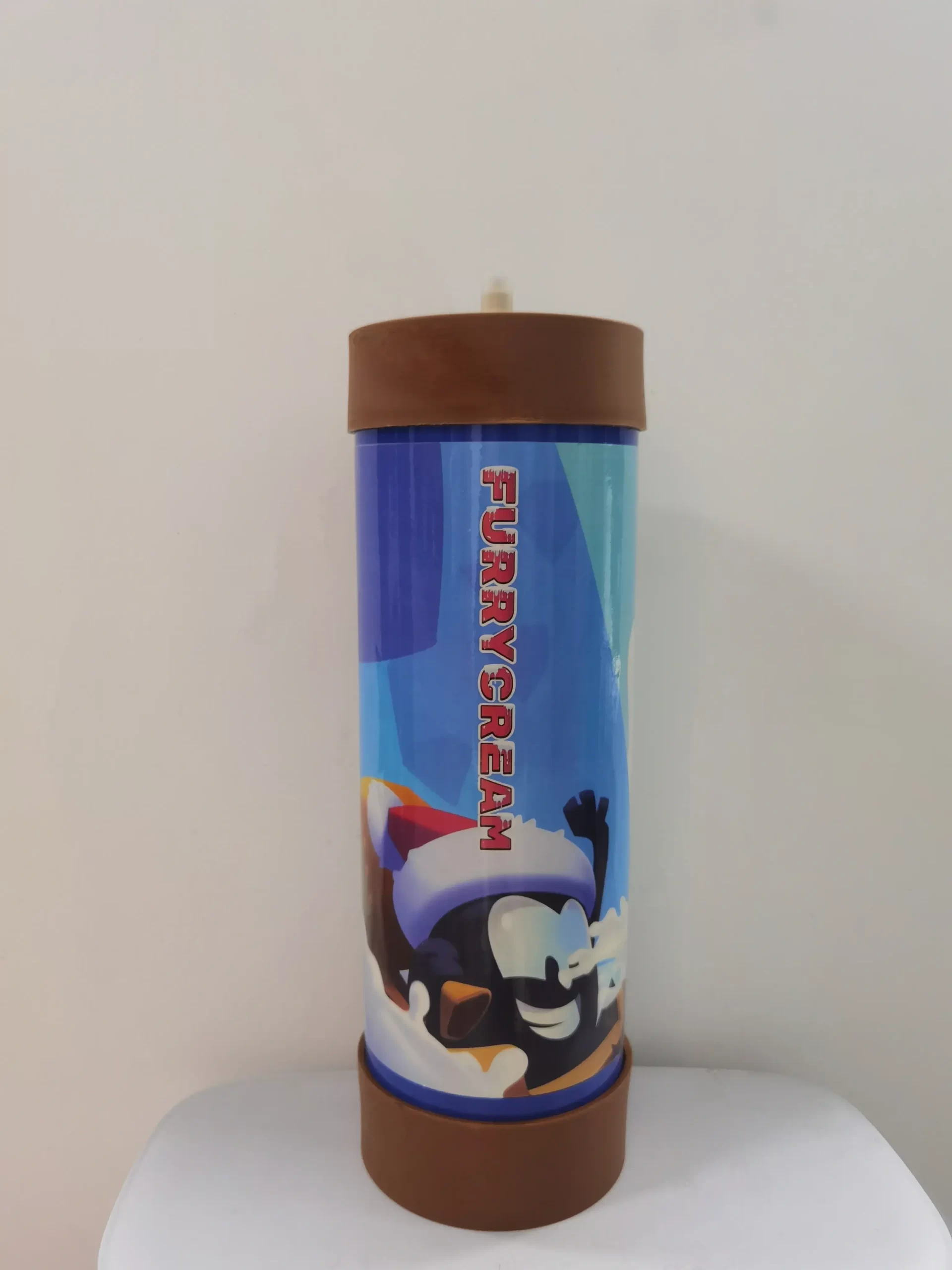
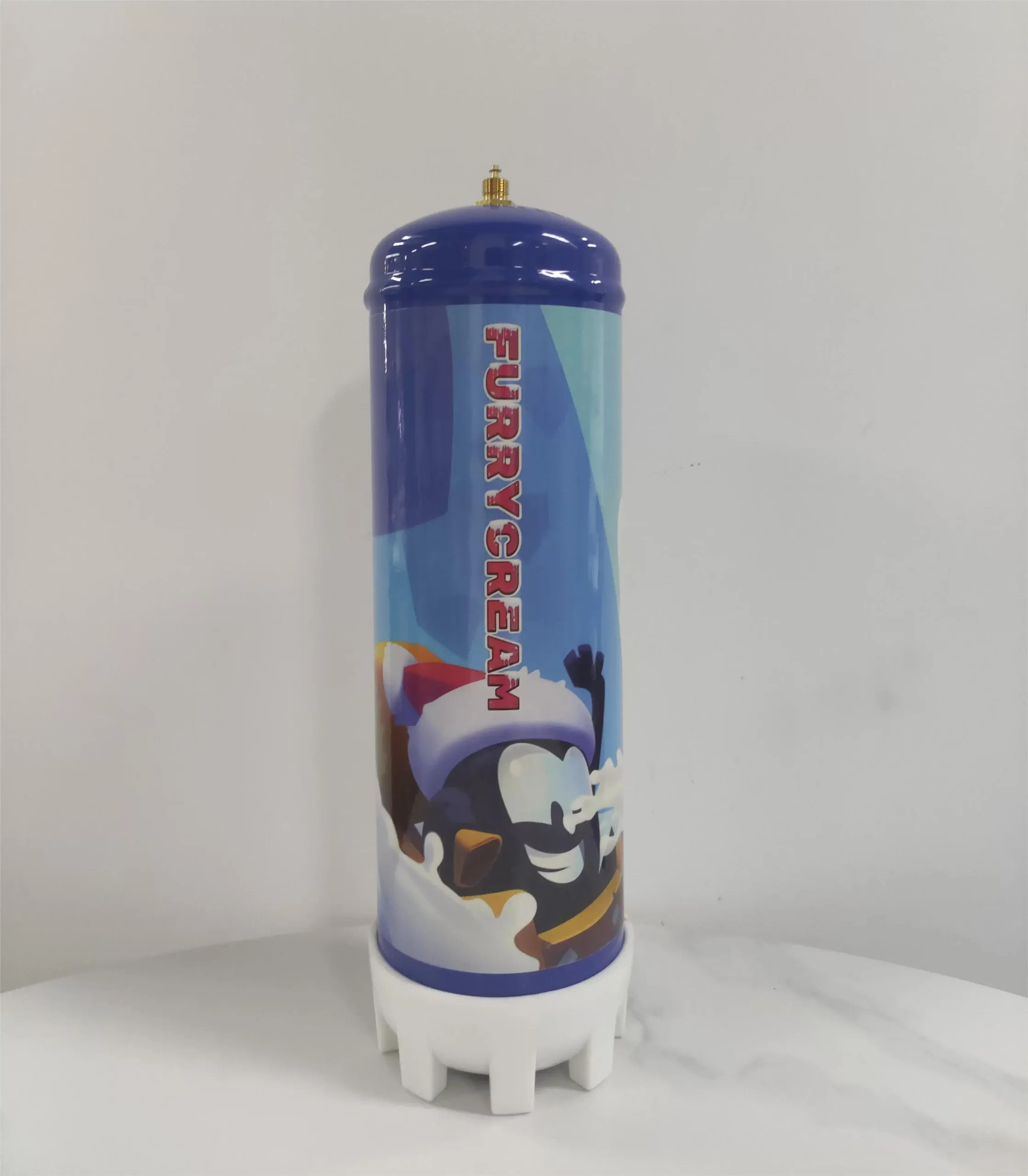
As a B2B supplier, offering a range of sizes is key. Restaurants and cafes love the efficiency of the 580g tanks, while culinary supply retailers need to stock the 8g cartridges for home cooks. We've seen a massive shift towards larger formats, which is why we offer a full range, including options for custom branding. For example, our 2000g Whipped Cream Charger FURRYCREAM Factory Supply Price Cream Charger has become a top seller for distributors catering to the professional food service industry.
Are Galaxy Gas and Other Brands Just Selling the Same Nitrous Oxide?
This is a question I hear often, especially from buyers looking to develop their own brand. The short answer is no. While the core product is nitrous oxide, the quality of that gas, the integrity of the cylinder, the reliability of the valve, and the branding itself create significant differences. Think of it like bottled water—it's all H2O, but branding, purification methods, and bottle quality create distinct products at different price points.
Brands like Galaxy Gas have built a strong market presence through effective marketing and branding. However, many of these brands do not manufacture the product themselves. They source it from factories like mine. This is where the opportunity for buyers like you comes in. By working directly with a manufacturer, you can create your own brand through OEM (Original Equipment Manufacturer) services. You can specify the cylinder color, the logo on the packaging, and even the formulation of any included flavorings. This allows you to build brand equity and control your market position.
However, the key is to partner with a factory that maintains the highest standards regardless of the label on the tank. The underlying quality of the nitrous oxide and the charger must be exceptional. When discussing OEM services, always ask for a sample product to test. Check the quality of the whip cream it produces. Inspect the cylinder for a quality finish. A reliable manufacturer will be happy to provide samples because they are confident in their product. Whether you're reselling an established brand or creating your own, the foundational quality of the whipped cream charger is what will determine your long-term success.
What Are the Legal Risks Associated with the Use and Distribution of Nitrous Oxide?
This is the most critical topic for any business in this industry. The primary legal risk stems from the misuse of nitrous oxide for recreational purposes. While a cream charger is a perfectly legal kitchen tool, the nitrous oxide inside, also known as “laughing gas,” has psychoactive effects when inhaled. This has led to increased scrutiny and regulation in many countries. Understanding these legal risks is essential for responsible business operations.
The core legal principle often revolves around intent. It is legal to manufacture, sell, and buy a whipped cream charger for its intended culinary use. However, selling it with the knowledge or suggestion that it will be used for inhalation can cross the line into illegal activities. For instance, selling chargers alongside balloons in vape shops can be interpreted as promoting recreational use, which could lead to legal trouble. As a distributor, your marketing, sales channels, and customer communication must be strictly focused on culinary purposes.
The distribution of nitrous oxide is regulated differently depending on the region. In the UK, the Psychoactive Substances Act 2016 made it illegal to supply nitrous oxide for human consumption. In the US, regulations can vary by state and are often governed by agencies like the Food and Drug Administration (FDA) for food-grade products and the Drug Enforcement Administration (DEA) for controlled substances. The legal status is fluid, and it's your responsibility as an importer and seller to stay informed about the laws and regulations in your specific market. Partnering with a manufacturer who understands and respects these boundaries is crucial. We, for instance, refuse to do business with buyers who openly intend to market for recreational drug use.
How Does the Legality of Possession of Nitrous Oxide Vary by Country?
The legality of cream chargers varies significantly around the world, which is a major consideration for my clients who export to the USA, Europe, and Australia. A one-size-fits-all approach to compliance is not possible. What is perfectly legal in one jurisdiction may be heavily restricted in another.
- USA: Generally, the sale and use of whipped cream chargers for food preparation is legal. However, several states have passed laws specifically targeting the sale or distribution of nitrous oxide for recreational purposes, often making it illegal to sell to minors or imposing restrictions on the volume that can be purchased. The key is the intent of the sale.
- Australia: Concerns over nitrous oxide abuse have led to stricter regulations. In some states, like South Australia, the sale of N2O canisters to the general public is restricted. Importers and sellers must be aware of these evolving state-level laws.
- Europe (specifically the UK): As mentioned, the Psychoactive Substances Act 2016 is a major factor. While it's not illegal to possess nitrous oxide, it is illegal to supply it if you know it will be inhaled. This puts the burden of responsibility on the seller.
- China: As a manufacturing hub, the production and export of nitrous oxide for recreational use are strictly controlled. We operate under licenses that are specifically for food-grade and industrial applications, not for medical or recreational supply.
For any business owner, the takeaway is simple: do your homework. Consult with a legal expert in your country of operation. Ensure your business practices, from marketing to sales, clearly align with the product's intended culinary use. The legality of your business depends on it.
Can You Inhale Nitrous Oxide from a Whipped Cream Charger and What Are the Dangers?
Yes, it is physically possible to inhale nitrous oxide from a whipped cream charger, but it is extremely dangerous and goes against the product's explicit purpose. This misuse is the source of all the negative press and legal scrutiny surrounding the product. As a responsible manufacturer, I believe it's important to be clear about the health risks. The brief euphoria associated with inhaling "laughing gas" is not worth the potential for severe, long-term harm.
The primary danger of the inhalation of nitrous oxide directly from a canister is that the gas is intensely cold and pressurized. This gas can cause frostbite to the nose, lips, and vocal cords. More critically, inhaling pure nitrous oxide displaces oxygen in the lungs. This can lead to oxygen deprivation (hypoxia), which can cause fainting, brain damage, or even death. The risks are not theoretical; tragic accidents involving nitrous oxide have been reported worldwide.
Beyond the immediate risks, chronic nitrous oxide misuse has been linked to serious neurological issues. The gas can interfere with the body's ability to process Vitamin B12, leading to irreversible nerve damage. Symptoms can include numbness in the hands and feet, difficulty walking, and cognitive impairment. The recreational use of nitrous oxide is not a harmless party trick. It poses significant health risks, and understanding these risks is crucial for anyone involved in the sale of these products. Our business is about enhancing culinary arts, not facilitating a dangerous activity.
How Can a Business Owner Avoid Common Pitfalls When Importing Whipped Cream Chargers?
Over the years, I’ve seen many importers, even experienced ones like Mark, run into a few common but costly problems. Avoiding these pitfalls often comes down to communication, due diligence, and choosing the right manufacturing partner. The goal is a smooth supply chain, not a series of headaches.
One of the biggest pain points is communication breakdown. You need a supplier whose sales representatives are fluent in your language, responsive, and knowledgeable. Inefficient communication leads to misunderstandings about product specs, shipping details, and payment terms. At our company, we invest heavily in training our international sales team to act as consultants, not just order-takers. They understand the product and the logistics, ensuring you get clear, accurate information.
Another major issue is shipment delays, which can cause you to miss peak sales seasons. This often stems from a factory's disorganized production or lack of experience with international logistics. Before placing a large order, ask about production capacity and lead times. A factory with 7 production lines, like ours, can handle large orders without creating a bottleneck. We also work with established freight forwarders to navigate customs and ensure timely delivery. Finally, always verify certifications. Certificate fraud is real. Ask for copies of food-grade compliance and safety certifications and, if possible, have them verified by a third-party inspection service. A trustworthy supplier will welcome this scrutiny. We offer a full range of products, including Bulk Whip Cream Chargers Cylinders And N2O Tanks, all backed by verifiable documentation.
What Are the Best Practices for Storing and Handling a Cream Charger?
Proper storage and handling of whipped cream chargers are essential for safety and product longevity. While they are stable and safe when handled correctly, they are still pressurized gas containers and should be treated with respect. This is important information for you and for your end customers.
First and foremost, always keep cream chargers in a cool, dry place, away from direct sunlight and heat sources. The ideal storage temperature is below 50°C (122°F). Exposing a canister filled with nitrous oxide to high temperatures can cause the pressure inside to increase to dangerous levels. Never store them in a hot car or near an oven or stove.
Second, handle them with care. Avoid dropping the canisters, as a significant impact could potentially damage the valve or the cylinder itself. When you are done with a cartridge, ensure it is completely empty before recycling it. The steel chargers are recyclable, which is an important selling point for environmentally conscious consumers. For businesses, implementing a clear "first-in, first-out" inventory system ensures that you are always using your oldest stock first, maintaining product freshness and efficacy. Adhering to these simple guidelines will ensure the safe and effective use of your cream charger inventory in accordance with local regulations.
Key Takeaways for Your Business
To succeed in the whipped cream charger market, it's vital to operate as a responsible and informed business owner. Here are the most important points to remember:
- Focus on Quality: Your business reputation depends on the quality of your product. Always source from reputable manufacturers who can provide proof of pure, food-grade nitrous oxide and high-integrity canisters.
- Promote Culinary Use Only: Your marketing, packaging, and sales strategy must be exclusively focused on the product's intended purpose for making whip cream. This is your best defense against legal complications.
- Understand the Law: The legality surrounding nitrous oxide is complex and varies by region. Stay informed about the laws and regulations in your market to avoid fines and protect your business.
- Choose Your Partner Wisely: A good manufacturing partner is more than just a supplier. They are a key part of your supply chain who should offer clear communication, reliable logistics, and unwavering support for your business needs, including options for OEM Customized 1300g Whipped Cream Charger Larger Tank Food Grade.
- Educate on Safety: Emphasize the dangers of misuse. The health risks associated with inhaling nitrous oxide are severe. Promote safe handling and storage practices for both your staff and your customers.

-
 Hangzhou Luire Technology Co., Ltd.
 -
 ROOM 2805 JINZUN TOWER OF ZUNBAO,HANGZHOU,CHINA
 -

-

-