For over a decade, my factory has been at the forefront of producing high-quality N2O gas cylinders for businesses worldwide. In my conversations with hundreds of procurement officers and company owners, from the USA to Australia, one topic consistently emerges as a point of both critical importance and confusion: gas purity. Understanding what gas purity truly means is not just a technical detail; it's the foundation of product quality, safety, and your business's reputation. This guide is for leaders like Mark Thompson—decisive, quality-conscious, and seeking a reliable partner. We'll demystify the numbers, explain why a 99.9% purity level is different from 99.999%, and empower you to make informed purchasing decisions that protect your investment and delight your customers.
What Exactly is Gas Purity and Why Does It Matter So Much?
In the simplest terms, gas purity refers to the percentage of the desired gas within a mixture. When we talk about a cylinder of nitrogen gas, for example, the purity level tells you how much of the content is actually nitrogen versus other unwanted elements, known as impurities or contaminants. Think of it like a glass of water. A glass of 99% pure water might seem clean, but that 1% could be dirt, bacteria, or other harmful substances. In the industrial gas sector, that 1% can make a world of difference. The concentration of nitrogen is paramount for performance and safety.
This concept of purity is not just an abstract number on a specification sheet; it has direct, real-world consequences. For a business in the food and beverage industry, an impurity like excess oxygen in a nitrogen supply can lead to spoilage, altering the taste and shortening the shelf life of a product. In high-tech applications like semiconductor manufacturing, a single unwanted particle can destroy a million-dollar batch of microchips. Therefore, understanding gas purity is the first step in guaranteeing the quality and consistency of your end product. The required purity ensures the gas performs its function correctly and safely in any industrial process.
From my experience as a factory owner, I’ve seen firsthand the problems that arise from using a gas with a lower purity than required. A client once switched to a cheaper supplier without verifying their gas purity claims, only to suffer catastrophic product failures. The savings on the gas supply were wiped out many times over by the cost of the recall. This is why a trustworthy supplier doesn't just sell a gas cylinder; they provide a guarantee of purity. The gas quality directly impacts your operational success, making the choice of supplier and the verification of purity standards a critical business decision.
How is Gas Purity Measured and Classified?
Gas purity is typically expressed as a percentage. You'll often see numbers like 99.9%, 99.99%, or even 99.999%. In the gas industry, this is often referred to using a "number of nines" system. For instance, "three nines" purity corresponds to 99.9%, while "five nines" purity means 99.999%. Each additional "9" represents a tenfold increase in purity, meaning the level of impurity is ten times lower. A gas with a 99.999% purity rating is significantly cleaner than one with 99.9% purity.
This classification system helps create a universal standard. The purity grades are often followed by the chemical symbol of the gas, such as N2 for nitrogen. So, you might see a grade like "Nitrogen 5.0," which translates to 99.999% pure nitrogen. This purity classification is crucial for matching a gas to its intended application. For general industrial use, a lower purity might be acceptable. But for sensitive processes in the pharmaceutical or electronics industries, an ultra-high purity (UHP) gas is non-negotiable.
The measurement itself is a highly technical process. It involves sophisticated analytical equipment, like gas chromatography, to detect and quantify any contaminant present in the gas. These instruments can identify impurities down to parts per million (ppm) or even parts per billion (ppb). A reputable manufacturer will have rigorous quality control protocols and provide a Certificate of Analysis (CoA) with each batch, detailing the exact purity level and the concentration of specific impurities like oxygen, water, and carbon dioxide. This documentation is your assurance that the gas meets the promised purity standards.
What are the Different Purity Grades for Industrial Nitrogen Gas?
Nitrogen gas is incredibly versatile, used in everything from food packaging to laser cutting. Because of this, it's available in several purity grades to meet different industrial needs and budgets. It's important to understand these grades to ensure you’re not overpaying for a purity you don't need, or worse, under-specifying and compromising your product quality. The concentration of nitrogen required varies wildly between applications.
Here is a simple table outlining the common purity grades for nitrogen gas and their typical applications:
| Purity Grade (Common Name) | Purity Percentage | Maximum Impurity Level | Typical Industrial Applications |
|---|---|---|---|
| Industrial Grade | 99.5% - 99.9% | 1,000 - 5,000 ppm | Tire inflation, furnace atmospheres, general purging |
| Oxygen-Free (OF) | 99.99% - 99.998% | 20 - 100 ppm | Food packaging, beverage production, preventing oxidation |
| High Purity (HP) | 99.998% - 99.999% | 10 - 20 ppm | Laser cutting, chemical processing, quality control labs |
| Ultra-High Purity (UHP) | > 99.999% | < 10 ppm | Semiconductor manufacturing, pharmaceutical research, analytical labs |
| Pre-Purified Grade | > 99.9995% | < 5 ppm | Advanced electronics, specialized scientific research |
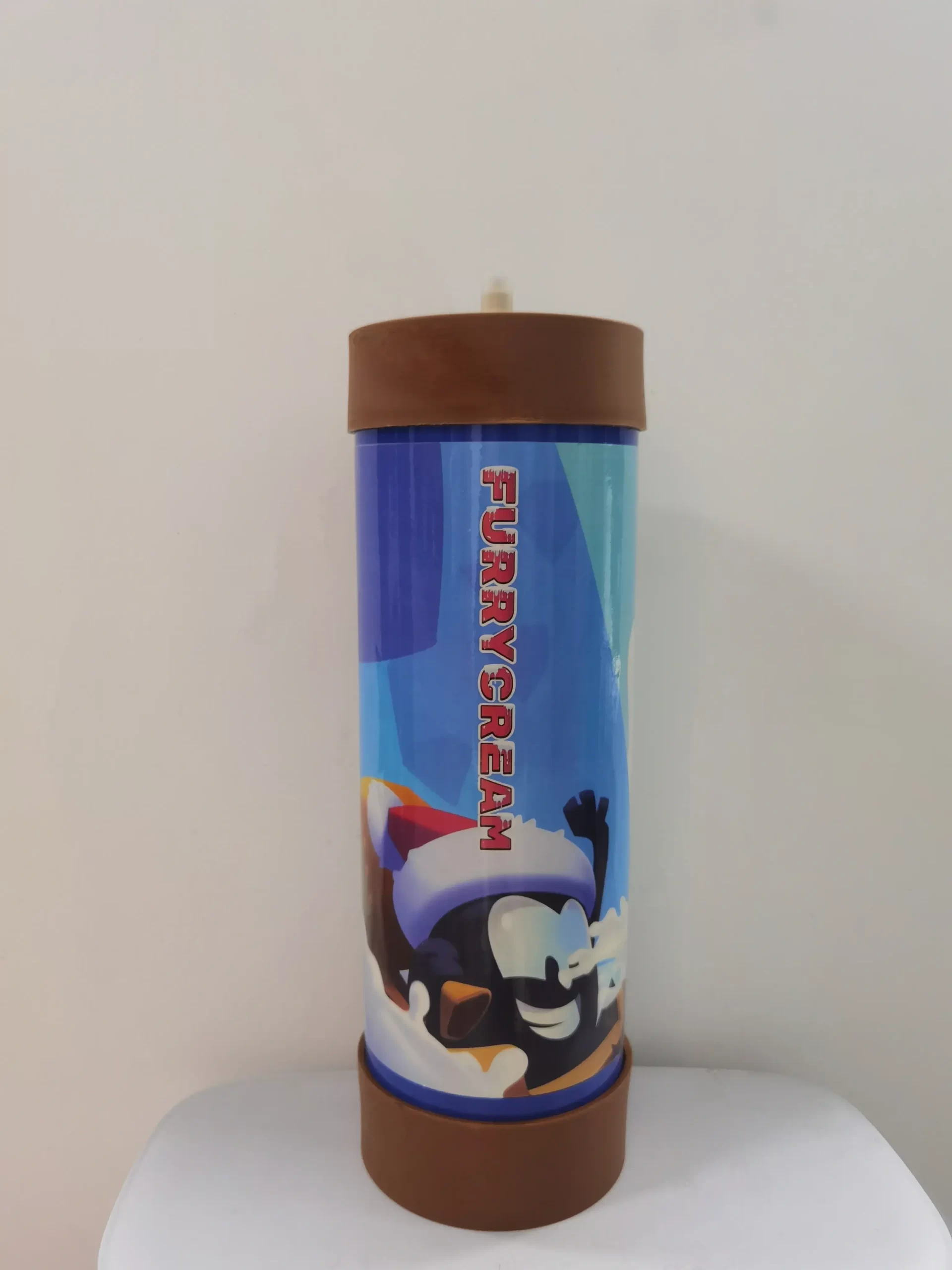
As you can see, the jump from an industrial grade nitrogen to an ultra-high purity gas involves a massive reduction in the acceptable level of impurity. Choosing the right grade nitrogen is a balancing act. For whipping cream with nitrous oxide, a high food-grade purity is essential, which is why we offer products like our Factory Direct 1300g Whipped Cream Charger at Best Wholesale Price, ensuring both safety and performance.
Why Do Different Industrial Applications Have Such Strict Purity Requirements?
The reason for stringent purity requirements boils down to one word: reactivity. The impurities in a gas, even in tiny amounts, can react with your products, equipment, or processes in undesirable ways. A seemingly minor contamination can have a major impact. The specific purity requirements are therefore dictated by the sensitivity of the application to these unwanted reactions.
In the food and beverage industry, the primary goal of using nitrogen is to displace oxygen. Oxygen is the enemy of freshness; it leads to oxidation, which causes food to spoil, go stale, or lose its flavor. A gas with a low purity level that contains too much oxygen defeats the purpose entirely. The International Society of Beverage Technologists (ISBT) has strict guidelines on purity to ensure product consistency and food safety. This is why a high-purity, food-grade gas is critical.
In more technical fields, the stakes are even higher.
- Pharmaceutical Manufacturing: In producing medicines, any unexpected contaminant can alter the chemical composition of a drug, rendering it ineffective or even dangerous. Ultra-high purity gases are used to create inert environments that prevent these reactions.
- Semiconductor Manufacturing: Microchips are built on an incredibly small scale. A single particle of dust or a molecule of water vapor from an impure gas can cause a short circuit, destroying the chip. The process demands the highest purity levels available, often exceeding 99.999%.
- Welding and Metal Fabrication: Here, impurities like oxygen and hydrogen in the shielding gas can cause the metal to become brittle or porous, compromising the structural integrity of the weld. The purity of the gas directly affects the strength and quality of the final product.
What are the Common Impurities in Industrial Gas and What Risks Do They Pose?
When we discuss gas purity, it's just as important to understand what the impurities are as it is to know the purity percentage. The type of contaminant can be more critical than the overall quantity. For a nitrogen gas supply, the most common impurities are residual components from the air, since nitrogen is most often produced by separating it from the air we breathe.
Here are the primary culprits and the problems they cause:
- Oxygen (O₂): The most common impurity. As mentioned, it causes oxidation, which is a major concern for preserving food, preventing fires, and protecting sensitive electronic components. It can degrade product quality and performance in many industrial settings.
- Water Vapor (H₂O): Moisture can cause corrosion in pipelines and equipment. In electronics, it can lead to electrical failures. In welding, it can introduce hydrogen, which leads to weak and brittle welds. A low dew point (a measure of moisture content) is a key indicator of high purity gas.
- Carbon Dioxide (CO₂): While essential for carbonated beverages, carbon dioxide is an unwanted impurity in many other applications. It can interfere with certain chemical reactions and can affect the readings of sensitive analytical instruments.
- Hydrocarbons (HC): These organic compounds can leave residues on surfaces, a critical issue in the manufacturing of optics and electronics. They can also be a contaminant that affects the taste and odor of food products.
- Argon (Ar) & Other Noble Gases: These are generally inert and less problematic, but in ultra-high purity applications, even these must be removed to achieve the required purity level.
Managing these impurities is a core function of our quality control process. Each cylinder we produce is carefully processed to minimize these contaminants to ensure the gas meets the specific purity needs of our customers, whether for culinary use or other industrial applications.

How Can You Ensure Quality Control of Your Gas Supply?
For a procurement officer like Mark, ensuring consistent gas quality is a major concern, especially when sourcing from overseas. Certificate fraud and inconsistent batches are real risks. This is where a partnership with a transparent and reliable manufacturer becomes invaluable. True quality control goes beyond a simple promise; it involves a verifiable system of checks and balances.
Here are the key elements to look for:
- Certificate of Analysis (CoA): Insist on a batch-specific CoA for every shipment, not a generic one. This document should detail the precise purity level and list the concentrations of key impurities. As a factory, we provide this for every order, giving you full transparency into what you're receiving.
- ISO Certification: Look for suppliers whose facilities are ISO 9001 certified. This demonstrates a commitment to international quality standards and consistent processes. It shows that the entire manufacturing process, from raw material intake to the final gas cylinder, is managed and documented.
- Third-Party Testing: Don't be afraid to ask if the supplier is open to third-party verification. A confident manufacturer will have no issue with you sending a sample cylinder from a shipment to an independent lab for analysis. This is the ultimate way to build trust.
- Traceability: A good supplier should be able to trace every cylinder back to its production date, batch, and the raw materials used. This is crucial for troubleshooting any issues and is a hallmark of a robust quality control system.
Dealing with communication barriers and shipment delays are legitimate frustrations. That's why we prioritize clear, efficient communication and have logistics experts dedicated to ensuring your gas supply arrives on time. By focusing on these quality control pillars, you can mitigate risks and ensure the gas you purchase consistently meets your purity requirements.
What's the Difference Between Industrial Grade and Food Grade Nitrogen Purity?
This is a question I get all the time, and the distinction is critical for anyone in the food, beverage, or culinary supply chain. While both "industrial" and "food" grades refer to nitrogen, the standards they must meet for purity, production, and handling are very different. The main difference lies in the regulatory oversight and the acceptable types and levels of impurity.
Industrial Grade Nitrogen: This grade nitrogen is designed for general industrial use—things like tire inflation or preventing combustion in chemical plants. The purity standards are less strict. While the purity might still be high (e.g., 99.9%), the regulations governing its production don't focus on preventing contamination that could be harmful if ingested. The gas may come into contact with non-food-safe lubricants or materials during processing.
Food Grade Nitrogen: This gas must comply with stringent regulations set by bodies like the FDA in the USA. The key requirements are:
- Higher Purity Levels: It typically has a minimum purity of 99.9%, with very low limits on impurities like oxygen and carbon dioxide.
- Traceability: The entire supply chain for the gas, including the cylinder it's stored in, must be documented and traceable.
- Dedicated Equipment: The production and filling equipment for food-grade gas must be dedicated to that purpose to prevent cross-contamination from an industrial process.
- Food-Safe Handling: All handling and storage procedures must adhere to food safety protocols.
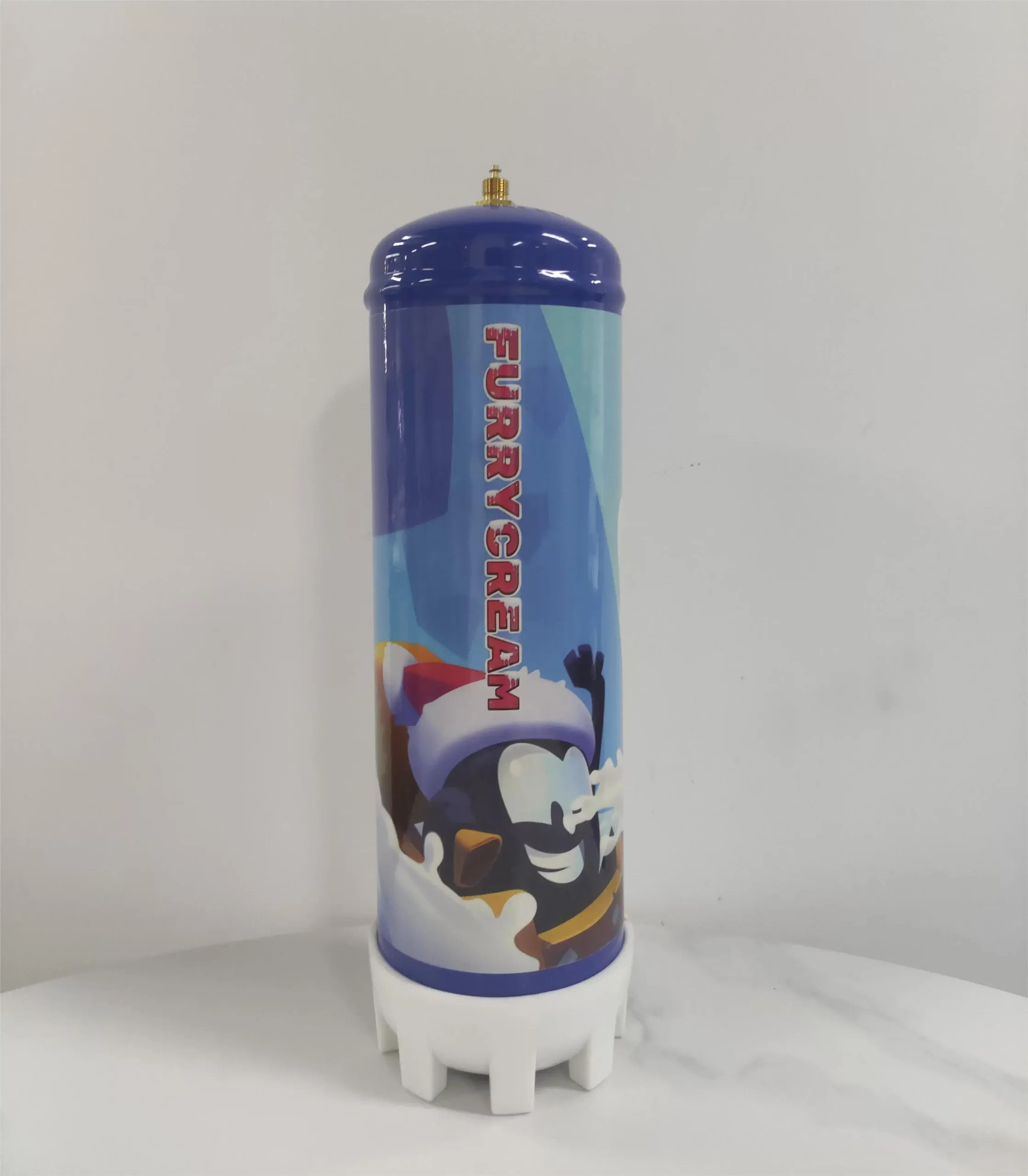
For products like FURRYCREAM 2000g Whipped Cream Chargers Professional Culinary, using anything other than a certified food-grade gas is not an option. It ensures consumer safety and product integrity. When sourcing a gas for any application that will contact food, always verify it meets the legal definition of "food grade" in your target market.
Does Higher Purity Always Mean Better? The Purity vs. Cost Analysis
There's a natural assumption that the highest purity gas is always the best choice. While ultra-high purity gases offer the best performance in terms of low contamination, they also come at a significantly higher cost. The production of ultra-high-purity nitrogen, for instance, requires more advanced and energy-intensive processes. The key to making a smart purchasing decision is to match the purity level to the actual needs of your application. This is the purity vs. cost trade-off.
For Mark, who is sensitive to both quality and price, this is a crucial calculation. Using a 99.999% purity gas to inflate tires is unnecessary and wasteful. Conversely, using a 99.9% purity gas for manufacturing sensitive electronics would be disastrous. The goal is to find the sweet spot: the minimum purity level that guarantees your product quality and process integrity without overspending.
Here's how I advise my clients to approach this:
- Define Your Purity Requirements: Clearly identify the specific purity requirements for your application. What are the key impurities you need to avoid? What is the maximum tolerance for them?
- Consult with Experts: Talk to your equipment manufacturers and industry bodies. They often provide guidelines on the recommended gas purity.
- Conduct a Cost-Benefit Analysis: Compare the cost of a higher purity gas against the potential cost of product failure, spoilage, or equipment damage from using a lower purity gas. Often, the small premium for the correct purity is a wise investment.
A good supplier will work with you as a partner to determine the most cost-effective gas solution for your needs, ensuring you get the performance you require without paying for a purity level you don't.
How is High-Purity Nitrogen Gas Generated for Industrial Use?
It's helpful for buyers to have a basic understanding of where their gas comes from. High-purity nitrogen gas is not mined or harvested; it's produced by separating it from the air, which is approximately 78% nitrogen, 21% oxygen, and 1% other gases. There are three primary methods for nitrogen gas generation in industrial settings.
- Cryogenic Distillation: This is the traditional method for producing the highest purity nitrogen (and other air gases like oxygen and argon). It involves cooling air to extremely low temperatures (around -320°F or -196°C) until it becomes a liquid. The liquid air is then warmed slowly, and because each gas has a different boiling point, they can be separated and captured as they turn back into a gas. This method produces nitrogen with a purity of 99.999% or even higher.
- Pressure Swing Adsorption (PSA): Onsite nitrogen generators often use PSA technology. This process uses a material called a Carbon Molecular Sieve (CMS) that attracts oxygen molecules under pressure, allowing the nitrogen molecules to pass through. The pressure is then released, the oxygen is vented, and the cycle repeats. PSA systems can produce nitrogen purity levels up to 99.999%.
- Membrane Separation: This method uses a special polymer membrane with fine, hollow fibers. As compressed air passes through these fibers, "fast" gases like oxygen, water vapor, and carbon dioxide permeate through the membrane walls, while "slow" gas, like nitrogen, continues down the fiber to be collected. This is a simple and efficient way to produce lower purity nitrogen (typically from 95% to 99.5%).
Knowing these methods helps you understand the capabilities and cost structures of different suppliers and nitrogen generation systems. Our factory uses advanced methods to ensure the purity of the gas that goes into every cylinder.

Key Questions to Ask Your Gas Supplier to Avoid Common Pitfalls
Navigating the global gas supply market can be challenging. To protect your business and build a strong partnership, it’s essential to ask the right questions. Drawing from my experience dealing with international buyers, here is a checklist to help you vet potential suppliers and avoid the common pain points of poor communication, delays, and quality issues.
- "Can you provide a batch-specific Certificate of Analysis for every shipment?" This is the most important question. A "yes" should be followed by a request to see a sample CoA.
- "What are your quality control procedures to ensure consistent gas purity?" Ask them to walk you through their process, from testing raw materials to analyzing the final product.
- "Are your facilities ISO 9001 certified? Can you provide the certificate?" This verifies their commitment to international quality standards.
- "What is your communication process for order updates and potential delays?" Look for a supplier who assigns a dedicated account manager and provides proactive updates. This addresses the inefficient communication pain point directly.
- "What are your standard logistics and shipping procedures for my country?" Experienced exporters will have a clear, streamlined process to prevent delays and ensure the gas cylinder shipment complies with all regulations.
- "Can you provide references from other customers in my region?" Speaking to other buyers can provide invaluable insight into the supplier's reliability and gas quality.
- "What are your accepted payment methods and terms?" Ensure their methods are secure and align with your company's procurement policies.
Asking these questions upfront sets clear expectations and helps you identify a true partner who values quality and transparency as much as you do. It's the foundation of a relationship that goes beyond a simple transaction and contributes to your long-term success.
Key Takeaways
To conclude our deep dive into gas purity, here are the most important points to remember:
- Purity is Paramount: Gas purity refers to the percentage of the desired gas versus contaminants. This number directly impacts product quality, safety, and process efficiency.
- Grades Matter: Gas comes in different purity grades (e.g., Industrial, Food, Ultra-High Purity). Match the grade to your application's specific needs to balance cost and quality.
- Impurities are the Enemy: Common impurities like oxygen, water, and carbon dioxide can cause significant problems, from food spoilage to equipment failure.
- Verification is Crucial: Always demand a batch-specific Certificate of Analysis (CoA) and work with ISO-certified suppliers to ensure consistent gas quality.
- Ask the Right Questions: A proactive and thorough vetting process is the best way to find a reliable gas supply partner and avoid common sourcing pitfalls.

-
 Hangzhou Luire Technology Co., Ltd.
 -
 ROOM 2805 JINZUN TOWER OF ZUNBAO,HANGZHOU,CHINA
 -

-

-