People use cream chargers mainly to make whipped cream, foams, mousses, infused liquids, dessert toppings, and specialty drinks quickly and consistently. In professional kitchens, cafes, bakeries, bars, and home dessert preparation, cream chargers help turn liquid cream or other suitable ingredients into a light, aerated texture inside a whipped cream dispenser.
A cream charger is usually a small metal cartridge filled with food-grade nitrous oxide. When used correctly with a compatible dispenser, the gas dissolves into cream under pressure. When the dispenser nozzle is pressed, the mixture expands and creates whipped cream with a smooth, stable texture.
This is the legitimate reason many chefs, baristas, bakers, caterers, and dessert lovers buy cream chargers. They are designed for culinary use, not for inhalation or recreational misuse.
Why Cream Chargers Became Popular in Kitchens
Cream chargers became popular because they save time and improve consistency. Traditional whipped cream can be made with a whisk or mixer, but that method depends on technique, temperature, whipping time, and ingredient balance. Over-whipping can make cream grainy or separate. Under-whipping can leave it too runny.
With a whipped cream dispenser and a suitable charger, users can prepare whipped cream faster and store it in the dispenser for service. This is useful for busy environments where speed and repeatability matter.
Cafes use them for hot chocolate, coffee drinks, milkshakes, and dessert beverages. Bakeries use them for cakes, pastries, and plated desserts. Restaurants use them for sweet and savory foams that add texture without making a dish heavy.
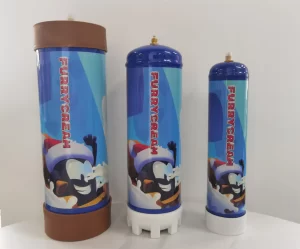
How Cream Chargers Work
The process is straightforward. Cream or another suitable liquid is poured into a whipped cream dispenser. The dispenser is sealed, and a cream charger is attached through a charger holder. When released, nitrous oxide enters the dispenser and dissolves into the liquid under pressure.
After shaking the dispenser, the gas distributes through the mixture. When the nozzle is opened, pressure drops, the gas expands, and the liquid turns into foam or whipped cream.
The quality of the final result depends on several factors:
- Cream fat content
- Ingredient temperature
- Dispenser size
- Charger compatibility
- Number of chargers used
- Shaking method
- Serving temperature
- Cleanliness of the nozzle and dispenser
For best results, users should follow the dispenser manufacturer’s instructions and use products intended for food preparation.
Common Culinary Uses
The most familiar use is whipped cream for cakes, drinks, pancakes, waffles, fruit, ice cream, and desserts. However, cream chargers are also used in more creative food service settings.
Common culinary applications include:
- Whipped cream toppings
- Dessert foams
- Mousse-style textures
- Coffee and hot chocolate toppings
- Cocktail foams
- Infused oils or liquids, when equipment allows
- Light sauces
- Sweet or savory espuma
- Catering dessert stations
In commercial environments, cream chargers can help staff produce a clean, attractive finish with less manual labor.
Why Some Buyers Prefer Chargers Over Ready-Made Whipped Cream
Ready-made aerosol whipped cream is convenient, but it gives the user less control over ingredients, sweetness, texture, and freshness. A dispenser system allows kitchens to choose the cream, sugar level, flavoring, and recipe.
This is useful for businesses that want a signature flavor or a more premium product. A cafe may add vanilla, cocoa, coffee, matcha, or fruit flavor. A restaurant may create a savory foam for a plated dish. A bakery may adjust the sweetness to match a cake or pastry.
For food service buyers, this flexibility is one reason cream chargers remain popular.
Safety: Cream Chargers Are for Food Use Only
Cream chargers should be used only for their intended culinary purpose. They should not be inhaled or misused. Inhaling nitrous oxide products can cause serious health risks, including oxygen deprivation, loss of consciousness, neurological injury, frostbite, and in severe cases, death.
This distinction is important because public discussion around cream chargers sometimes mixes legitimate kitchen use with unsafe recreational behavior. Professional buyers, retailers, and food businesses should communicate clearly that these products are for food preparation with compatible equipment.
Safe handling also means storing chargers away from heat, keeping them out of reach of children, using the correct dispenser, not puncturing cartridges manually, and disposing of empty chargers responsibly.
What Buyers Should Check Before Purchasing
Not all cream chargers are the same. Buyers should consider gas quality, cartridge material, manufacturing consistency, dispenser compatibility, packaging condition, and supplier reliability.
Important points include:
- Food-grade suitability
- Cartridge sealing quality
- Consistent filling
- Clean gas performance
- Compatibility with standard dispensers
- Packaging strength
- Clear usage instructions
- Storage recommendations
- Reliable supply capacity
- Responsible sales policy
For cafes, bakeries, restaurants, and distributors, stable quality matters. A leaking cartridge, poor fit, or inconsistent charge can waste ingredients and slow service during busy hours.
Cream Chargers for Commercial Food Service
In commercial kitchens, efficiency is often the main reason for using chargers. Staff can prepare a dispenser before service and use it throughout a shift when stored correctly. This helps maintain speed and presentation during peak hours.
For catering companies, cream chargers also reduce the need for bulky mixing equipment at events. A dispenser is portable, clean, and easy to use when the menu includes desserts or drinks that need whipped toppings.
However, commercial users should still train staff properly. The equipment should be cleaned after use, inspected regularly, and operated according to instructions.
Environmental and Disposal Considerations
Most cream chargers are made from recyclable steel, but disposal rules may vary by location. Empty chargers should be fully discharged and handled according to local recycling or waste requirements. Businesses using large quantities should plan collection and disposal carefully to keep work areas clean and organized.
Responsible use also means avoiding unnecessary waste. Choosing the correct dispenser size and recipe helps reduce leftover product.
Final Thoughts
People use cream chargers because they make whipped cream, dessert foams, specialty drinks, and creative culinary textures faster and more consistently. For kitchens, cafes, bakeries, catering teams, and home dessert makers, they offer convenience, flexibility, and professional presentation.
At the same time, cream chargers should be treated as food-service tools, not recreational products. They should be used only with compatible whipped cream dispensers and according to safety instructions.
For cream charger product information and culinary supply support, visit Furry Cream.

-
 Hangzhou Luire Technology Co., Ltd.
 -
 ROOM 2805 JINZUN TOWER OF ZUNBAO,HANGZHOU,CHINA
 -

-

-